Christmas can be a wonderful time with an old dog at your side, but the season also brings real hazards and stressors that hit senior dogs hardest. Rich food, fragile decorations, noisy guests, and disrupted routines can turn a cozy holiday into an emergency visit. The good news is that a little planning keeps your older dog safe while still letting everyone enjoy the celebrations together.
This guide walks through the biggest Christmas risks for senior dogs and simple, calm ways to protect them, from the dinner table to the tree to the guest room.
Why Senior Dogs Are More Vulnerable at Christmas
Older dogs often have weaker senses, stiffer joints, mild hearing or vision loss, and chronic conditions such as arthritis, kidney disease, or heart problems. That means:
- They are less able to escape a crowded, noisy room and may simply shut down
- Rich or fatty holiday food can trigger pancreatitis or worsen existing illness
- Slipping on floors or navigating around new objects raises the risk of falls and injury
- Changes in routine can confuse older dogs experiencing age-related cognitive decline and increase anxiety
- Medications and treats left within reach are a serious poisoning risk
A safe Christmas for a senior dog is mostly about removing hazards ahead of time and protecting their familiar routine.
Christmas Foods That Are Dangerous for Dogs
Several holiday staples are toxic, and many more are simply too rich for an older digestive system. Keep these well out of reach, and make sure guests know not to feed from the table.
Never give to a dog:
- Chocolate (especially dark and baking chocolate) — toxic to the heart and nervous system
- Xylitol — found in sugar-free sweets, some baked goods, and peanut butter; can cause dangerous low blood sugar and liver damage
- Grapes and raisins — including mince pies, stuffing, and Christmas pudding; can cause kidney failure
- Onions, garlic, and leeks — common in gravy and stuffing; damage red blood cells
- Alcohol and raw dough — both can be dangerous even in small amounts
- Macadamia nuts and foods heavy in salt or added sugar
Be cautious even with "safe" foods. Turkey plain and in small pieces is usually fine, but fatty skin, gravy, and carcass bones are not. A sudden rich meal can trigger painful pancreatitis, which older and overweight dogs are prone to. If you want to include your dog, offer a little plain meat in their [elevated slow feeder bowl](/products/elevated-slow-feeder-bowl) at their normal mealtime instead of sharing plates all day.
Christmas Tree and Decoration Safety
A sparkling tree is fascinating to many dogs, but it creates several specific risks.
- Secure the tree. Anchor it to a wall or ceiling hook so a sniffing or bumping senior dog cannot bring it down.
- Block access to the water. Stagnant tree water may contain bacteria, fertilizers, or preservatives.
- Avoid edible and low-hanging ornaments. Chocolate decorations, glass baubles, and salt-dough ornaments can be swallowed or shattered.
- Skip tinsel and ribbons. If eaten they can cause dangerous intestinal blockages that may require surgery.
- Be careful with lights and wires. Tape cords down or cover them to prevent chewing and tripping; older dogs with poor sight can catch themselves on trailing cables.
- Choose battery candles over real flames, and never leave lit candles where a wagging tail or a slow-moving dog could reach them.
- Watch the potpourri and essential oils. Many seasonal fragrances, especially liquid potpourri, can irritate or be toxic to dogs.
Place the most tempting or fragile items higher up and create a clear, uncluttered path so a stiff or unsteady dog can move through the room safely.
Guests, Noise, and Holiday Stress
Even friendly company can overwhelm an older dog. New voices, excited children, hugs, and late evenings remove the quiet they rely on.
- Set up a quiet retreat. A familiar bed in a spare room with a sign asking guests not to disturb gives your dog a real escape.
- Let them approach on their own terms. Don't force cuddles or costumes; a grumpy or tired senior dog may signal discomfort clearly.
- Watch the exits. With doors opening constantly, a confused or hearing-impaired dog can slip out. Make sure ID tags and microchip details are current.
- Keep a predictable schedule. Stick as closely as possible to normal feeding, medication, and walk times, and write medication times down so busy days don't lead to missed or doubled doses.
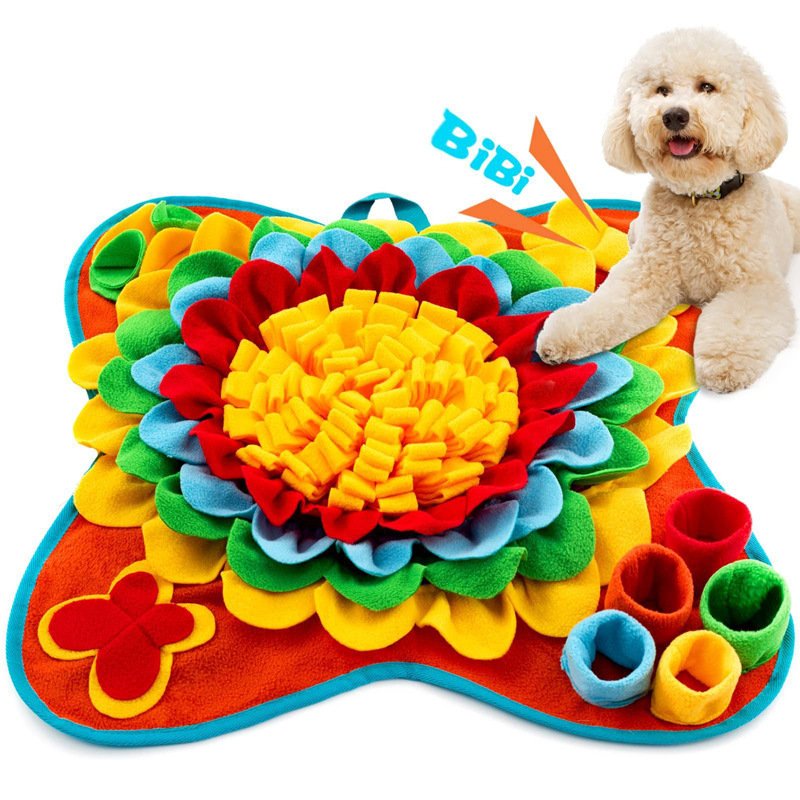
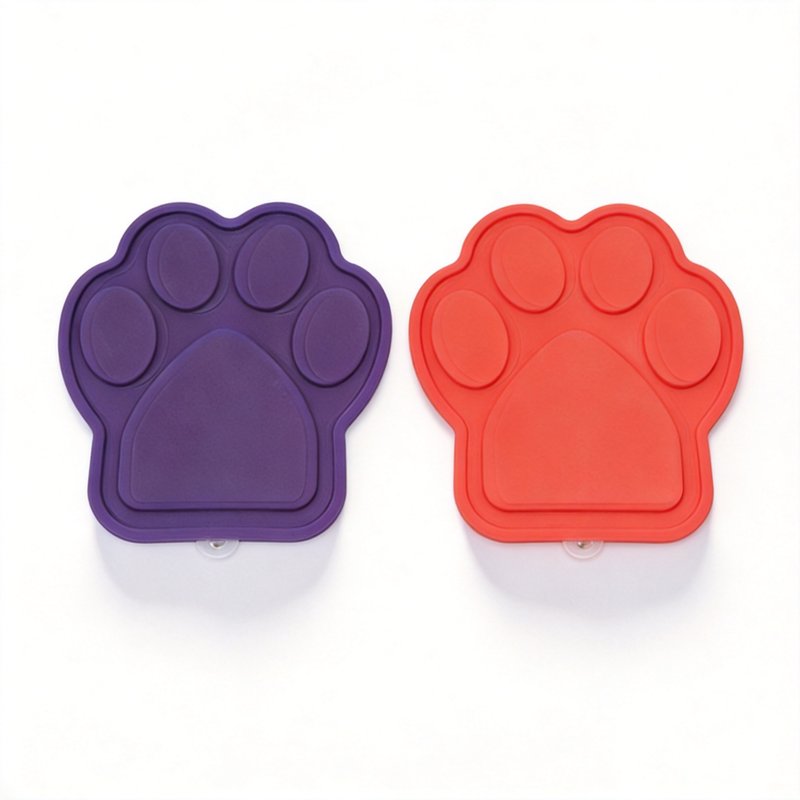
- Provide calm enrichment. A [snuffle mat](/products/snuffle-mat-set) or a [silicone lick mat](/products/silicone-lick-mat) spread with a little plain wet food can settle an anxious dog in their quiet space.
If your dog pants, paces, hides, trembles, or refuses food during gatherings, that is stress, not naughtiness. Move them somewhere quiet and let them rest.
Keeping an Older Dog Warm and Comfortable
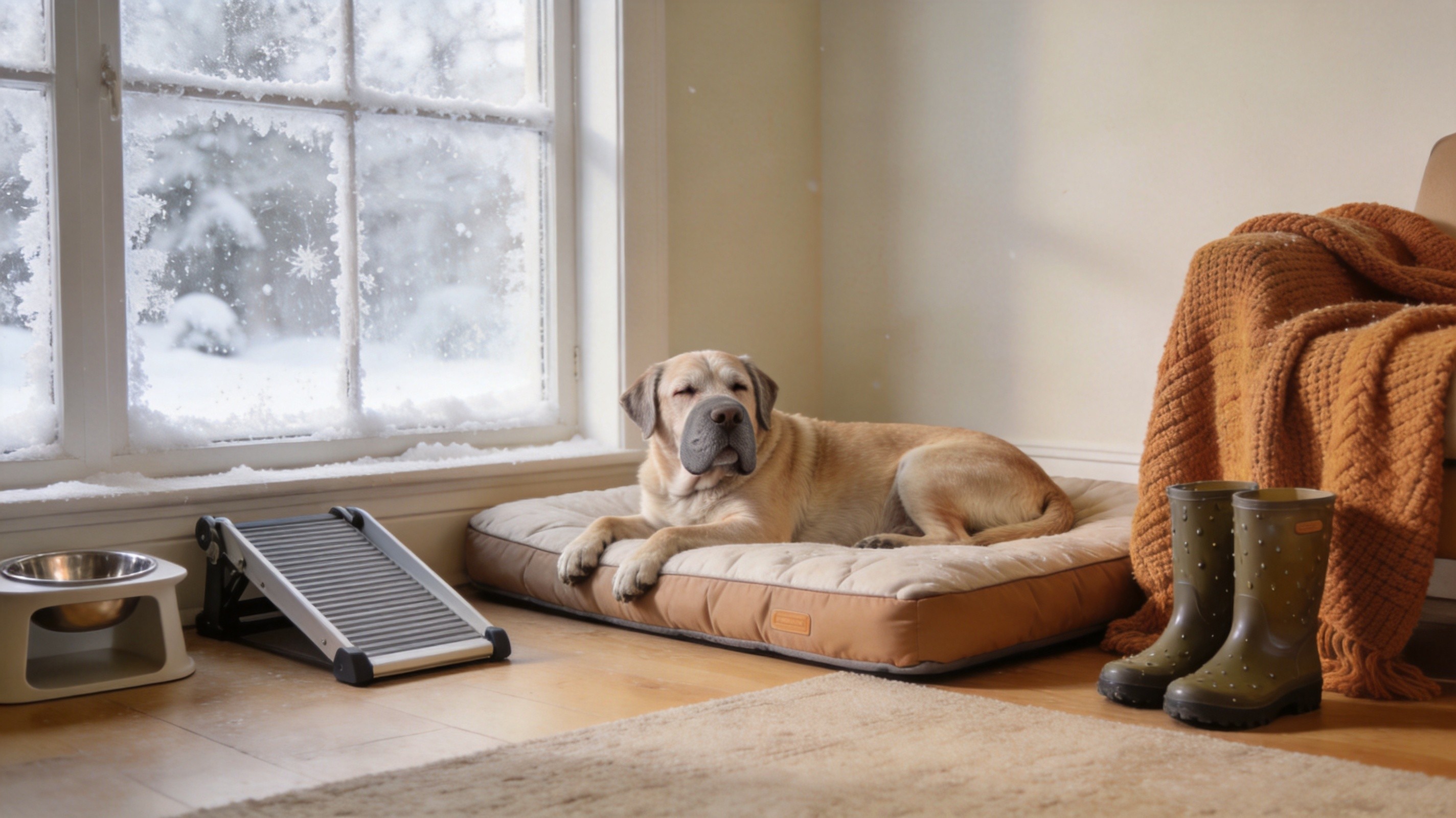
Winter celebrations often mean cold draughts near doors and hard floors underfoot, both of which ache in arthritic joints.
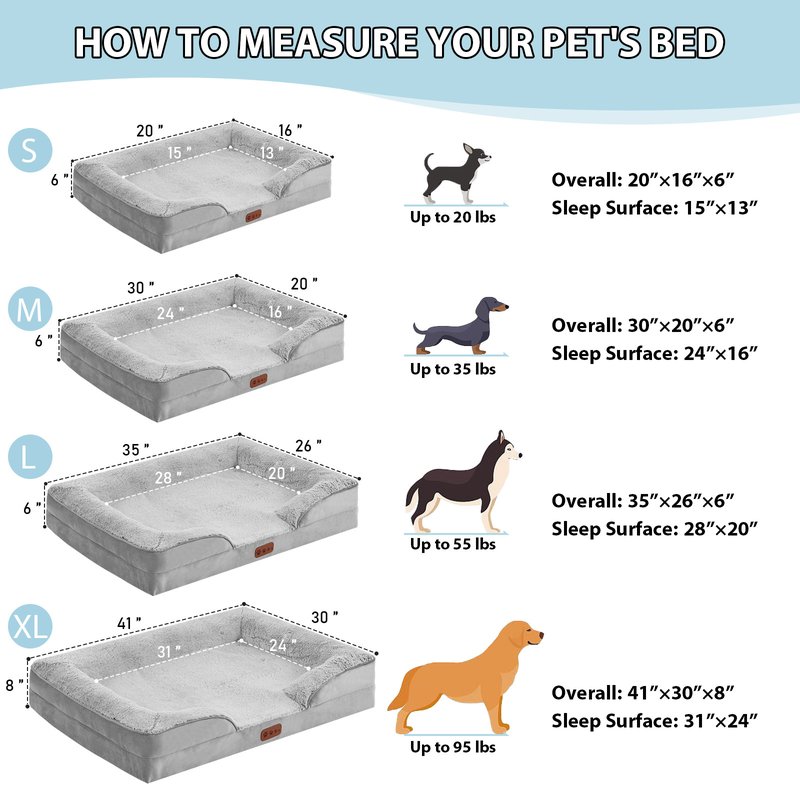
- Give them a warm, supportive spot away from draughty doors. An [orthopedic bolster dog bed](/products/orthopedic-bolster-dog-bed) cushions pressure points and the raised edges provide a place to rest their head.
- Add non-slip mats or runners on slippery floors, especially along the route to their bed and water bowl.
- Keep indoor temperatures steady; thin or older dogs may appreciate a well-fitted jumper overnight.
- Keep potty breaks short in very cold weather and wipe paws and belly after walks to remove salt, ice melt, and grit.
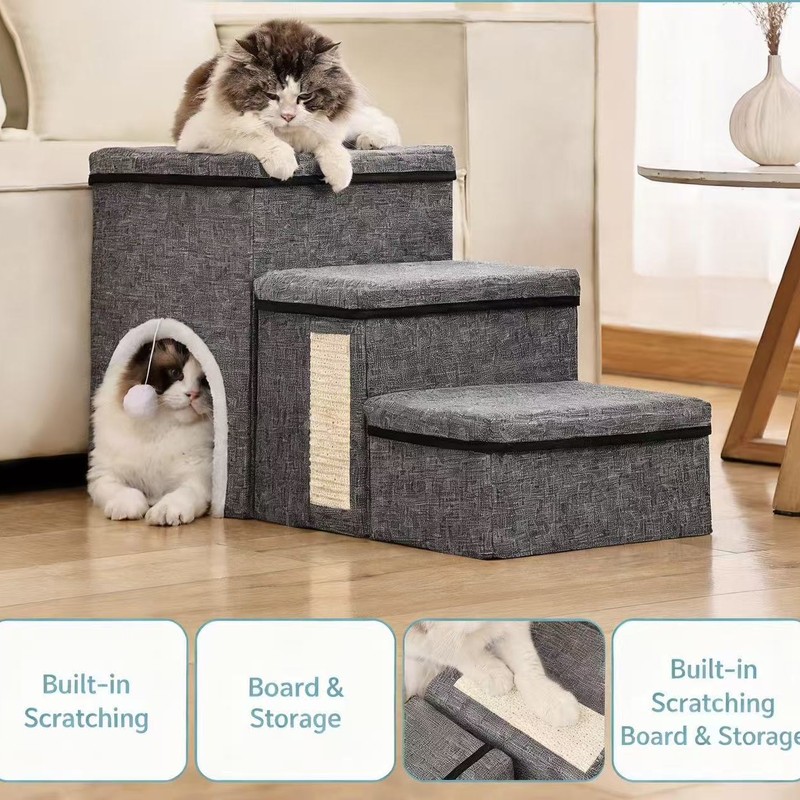
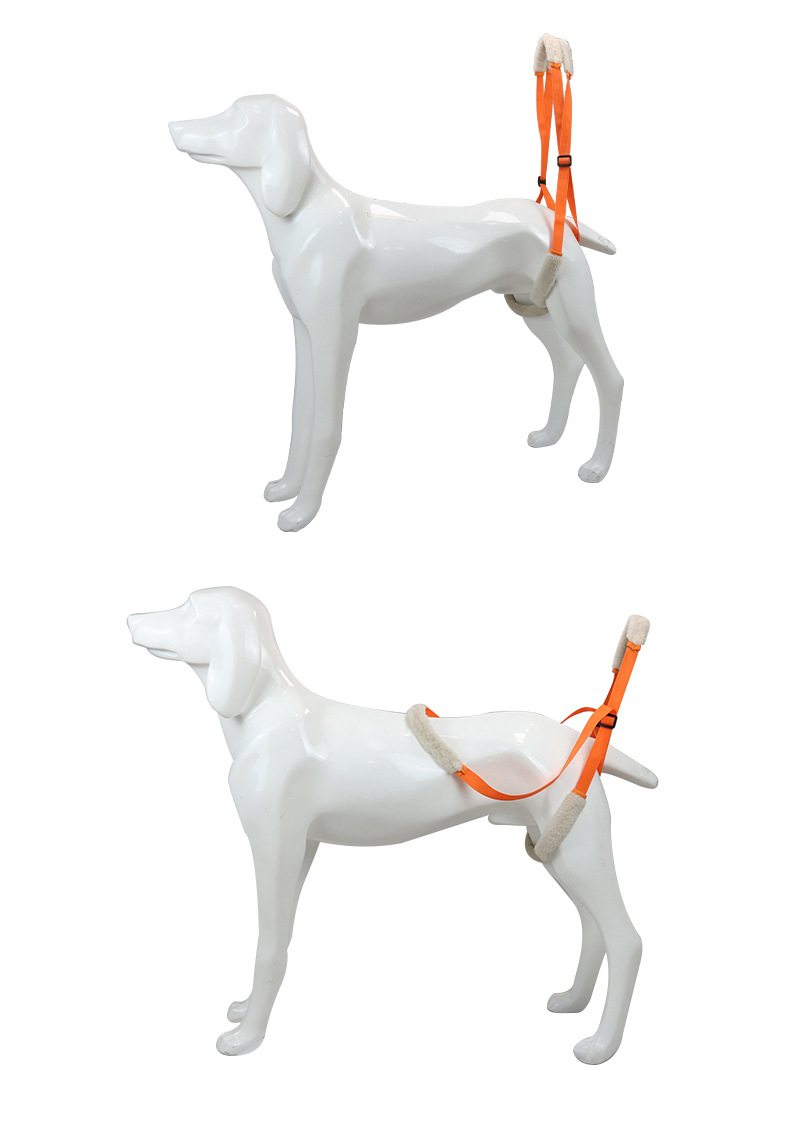
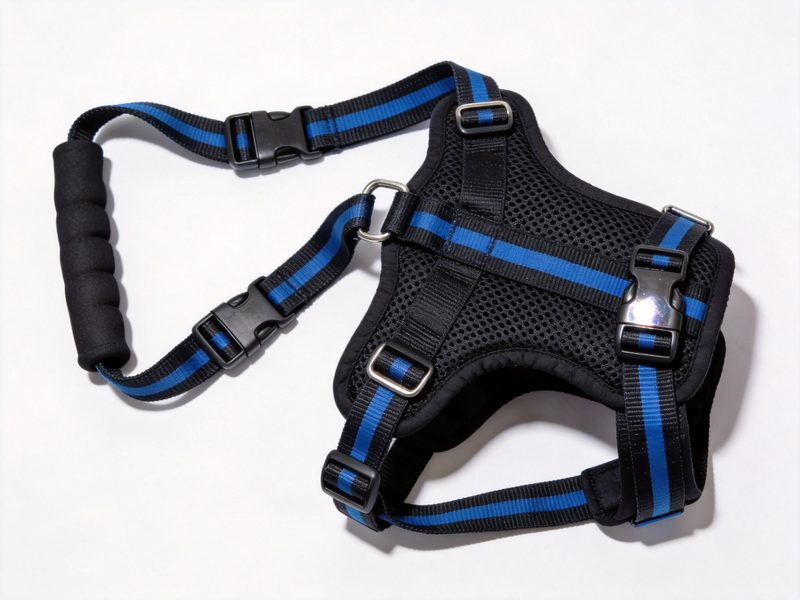
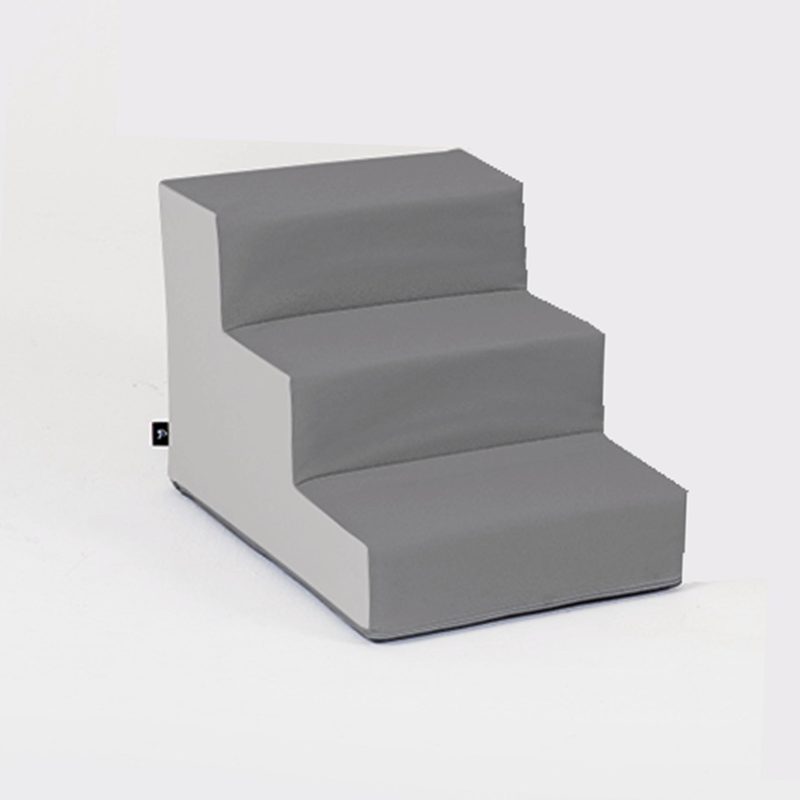
For dogs who struggle to climb onto their favorite sofa or into the car, a set of [folding pet stairs](/products/folding-pet-stairs) removes a painful jump, and a [hind leg support harness](/products/hind-leg-support-harness) can steady a weak rear end on icy paths without putting strain on either of you.
A Senior Dog Christmas Day Checklist
Run through this short list before the celebrations start:
- Chocolate, sweets, cakes, alcohol, and rich leftovers stored away
- Guests asked not to feed the dog
- Tree anchored; tinsel, ribbons, cords, and candles secured
- A quiet room made up with bed, water, and a long-lasting chew or mat
- Medication and meal times written down and kept on schedule
- Clear, non-slip paths through busy rooms
- Doors monitored and ID details up to date
Know the Warning Signs
Contact your veterinarian promptly if your dog vomits repeatedly, develops a swollen or painful belly, becomes unusually lethargic or wobbly, refuses water, has trouble breathing, or you suspect they have eaten chocolate, xylitol, grapes, onions, or a foreign object. Older dogs can decline quickly, so early advice matters. Keep your vet's number and the nearest emergency clinic saved in your phone before Christmas Day.
Wrapping Up
Christmas with a senior dog does not have to be tense. By removing toxic foods, securing decorations, protecting a quiet space, keeping routine and medication steady, and guarding warmth and footing, you create a holiday that is genuinely enjoyable for the oldest member of the family. A calm, safe Christmas is one of the kindest gifts you can give a dog who has spent years at your side.
Related Articles
- [Cold Weather Care for Senior Dogs: Warmth, Paws, and Safe Mobility](/blog/senior-dog-winter-care-guide)
- [Senior Dog Holiday Gifts Guide: Thoughtful Presents for Older Dogs](/blog/senior-dog-holiday-gifts-guide)
- [Helping Your Dog with Arthritis: A Complete Care Guide](/blog/dog-arthritis-care-guide)