Your home is your senior dog's entire world. As they age and their mobility changes, the environment they've navigated easily for years can suddenly become full of hazards. The good news is that with some thoughtful modifications, you can transform your home into a safe, comfortable sanctuary that helps your aging dog maintain their independence and quality of life.
Assessing Your Home's Hazards
Before making changes, spend some time observing your dog as they move through your home. Note where they hesitate, slip, or struggle. These trouble spots will guide your modifications. Common hazards include:
- Hardwood, tile, or laminate floors that become slippery
- Stairs that are difficult or dangerous to navigate
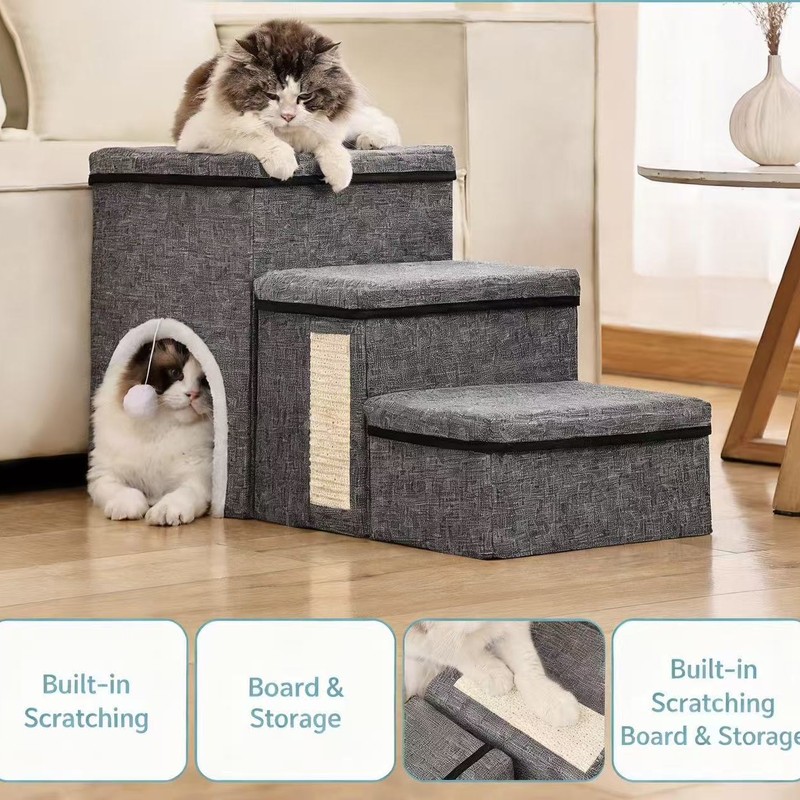
- Furniture they used to jump on but can no longer access
- Thresholds between rooms that create tripping points
- Dark areas where poor vision makes navigation difficult
Floor Safety: The Foundation of Home Safety
Slippery floors are the number one hazard for senior dogs. When dogs can't get proper footing, they become anxious, limit their movement, and may injure themselves trying to compensate. Here's how to address this critical issue:
Area Rugs and Runners: Place non-slip rugs along your dog's primary paths. Choose low-pile options that won't bunch up or create new tripping hazards. Secure them with non-slip pads underneath.
Interlocking Foam Mats: For larger areas, interlocking foam tiles provide excellent traction and cushioning. They're especially useful in areas where your dog spends the most time, like near their bed or feeding station.
Non-Slip Paw Products: Products like paw grip pads give dogs traction directly on their feet, allowing them to move confidently on any surface. These are particularly helpful for dogs who need to navigate different floor types throughout the day.
Yoga Mats and Towels: In a pinch, placing yoga mats or folded towels in key spots can provide immediate traction improvement while you invest in more permanent solutions.
Stair Safety
Stairs present a significant fall risk for senior dogs. Even dogs who have navigated stairs their entire lives may start struggling as their vision, balance, or joint health declines.
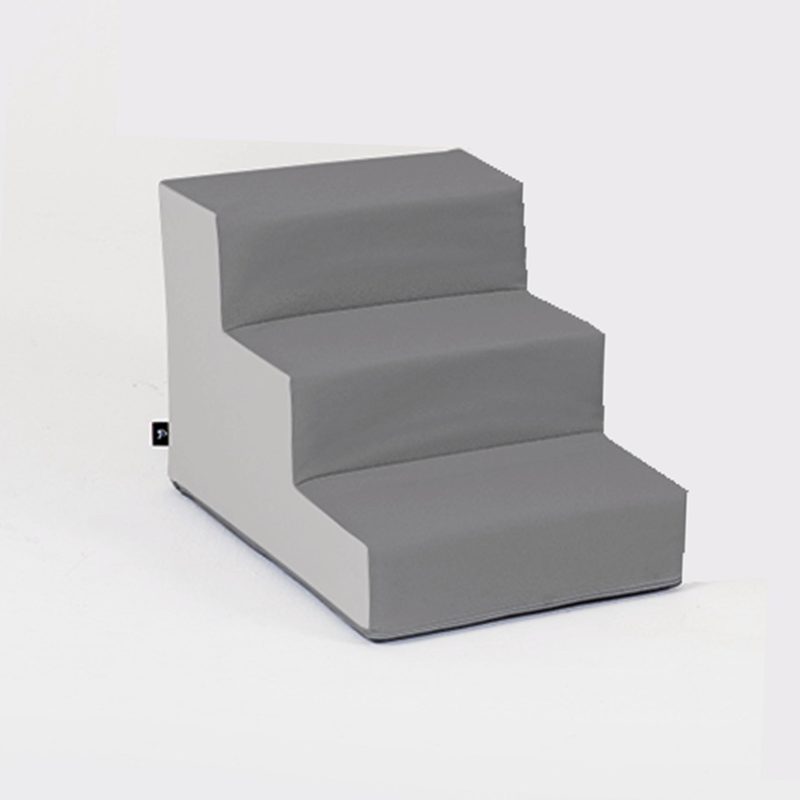
Stair Ramps: For shorter staircases, a sturdy ramp with a non-slip surface can be a game-changer. Look for ramps with side rails and a gentle incline.
Baby Gates: Installing baby gates at the top and bottom of stairs prevents unsupervised access. Choose gates that your dog can see through to reduce anxiety about being separated.
Stair Treads: Non-slip treads on each step provide better footing for dogs who still need to use stairs. Adhesive-backed options are easy to install and remove.
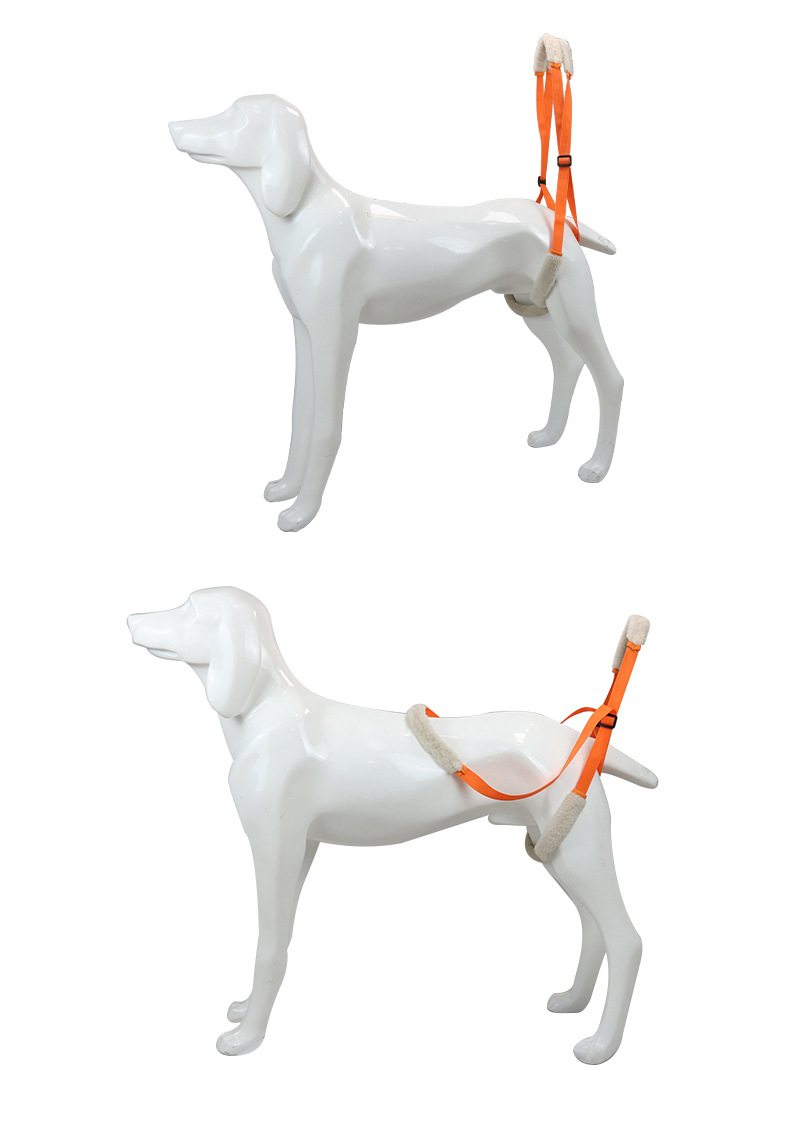
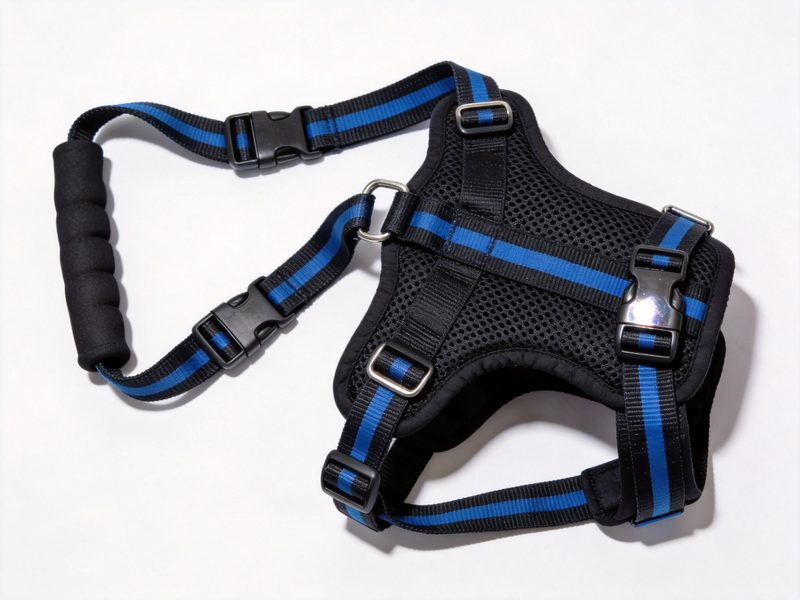
Supervised Access: If stairs are unavoidable, always supervise your dog. A hind leg support harness can give you the ability to steady them on stairs without straining your own back.
Creating Comfortable Rest Areas
Senior dogs sleep more and need comfortable, supportive resting spots throughout the home.
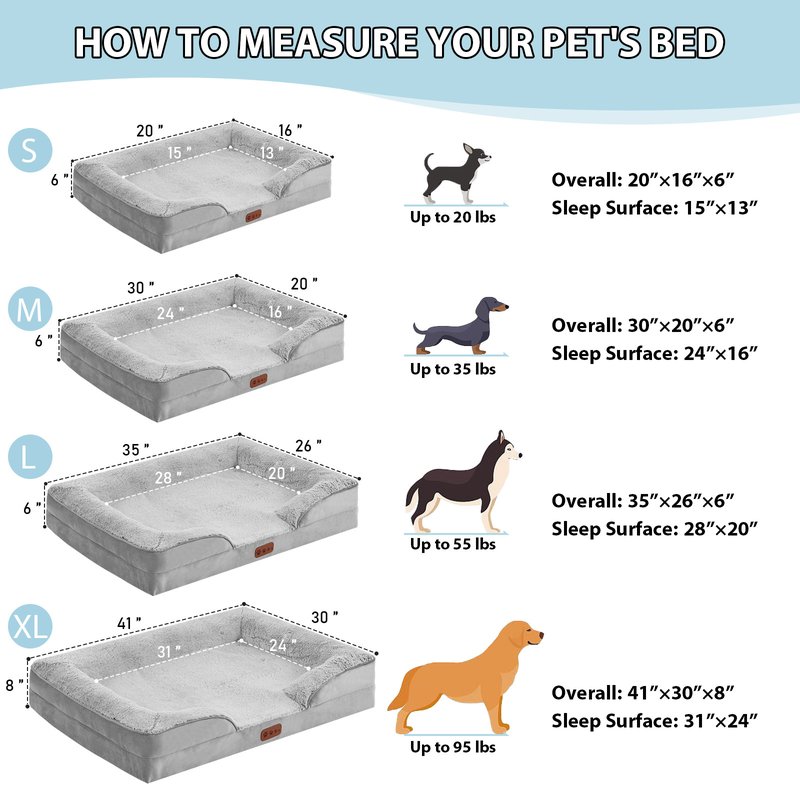
Multiple Bed Locations: Place an orthopedic bolster dog bed in your dog's favorite spots. Having options means they won't try to jump on furniture they can no longer access safely.
Low-Profile Beds: Choose beds with low sides or no sides at all, making it easy for stiff dogs to get in and out. A bolster-style orthopedic bed works well if your dog likes to lean against something.
Heated Beds: For older dogs, heated beds can provide soothing warmth that adds extra comfort. Look for pet-safe options with auto-shutoff features.
Strategic Placement: Position beds away from drafts, direct sunlight, and high-traffic areas. Your senior dog needs peaceful rest without being startled by activity.
Feeding Station Setup
How and where your dog eats matters more as they age.
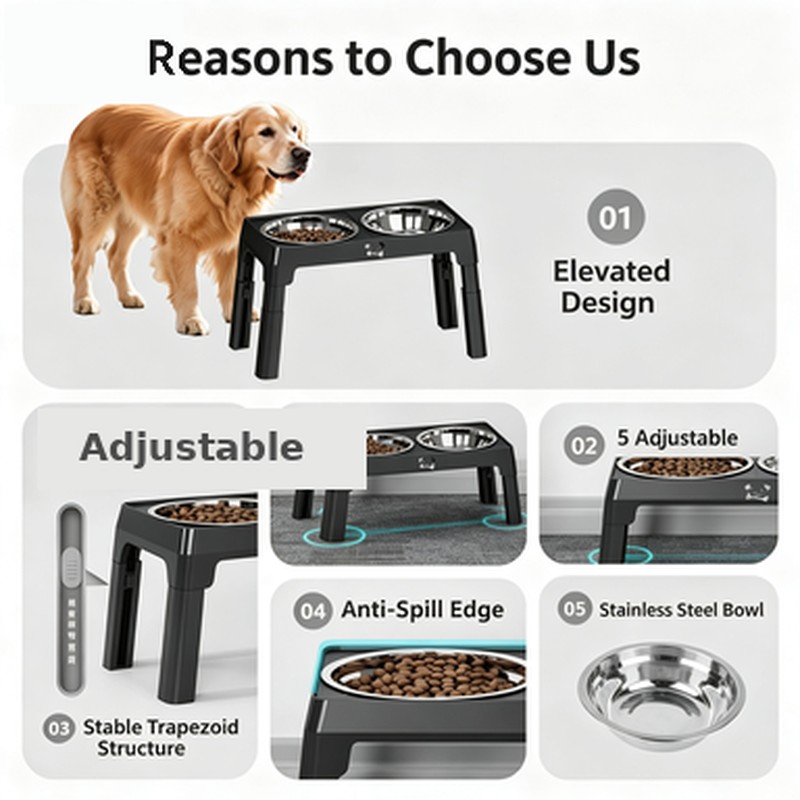
Elevated Feeders: Raising food and water bowls to elbow height with an elevated feeder reduces neck strain and makes swallowing easier. This is especially important for large breeds and dogs with arthritis in the neck or front legs.
Non-Slip Mats: Place feeding stations on non-slip mats to prevent bowls from sliding and give your dog stable footing while eating.
Easy Water Access: Consider multiple water stations throughout the house so your dog doesn't have to travel far. Elevated water bowls or pet fountains can encourage hydration.
Slow Feeders: If your dog eats quickly, slow feeder bowls prevent bloat and improve digestion, which becomes increasingly important with age.
Managing Doorways and Thresholds
Transitions between rooms and between inside and outside can be challenging.
Ramp Over Thresholds: For raised thresholds, small ramps can prevent tripping and make transitions smoother.
Door Stoppers: Prevent doors from closing accidentally on your dog with door stoppers or holders.
Clear Pathways: Keep walkways free of clutter, shoes, bags, and other obstacles. Senior dogs with declining vision need clear, predictable paths.
Temperature and Comfort
Senior dogs have more difficulty regulating their body temperature.
Draft Protection: Seal drafty windows and doors. Provide warm blankets in cold weather.
Cooling Solutions: In warm weather, provide a cooling mat, ensure good air circulation, and always have fresh, cool water available.
Comfortable Ambient Temperature: Try to maintain a consistent, moderate temperature in areas where your dog spends the most time.
Lighting Considerations
As dogs age, their vision declines. Proper lighting helps them navigate confidently.
Night Lights: Place night lights along paths from sleeping areas to the door for nighttime bathroom breaks.
Motion-Activated Lights: These automatically illuminate when your dog enters a room, helpful for dogs with vision changes.
Avoid Glare: Use soft, diffused lighting rather than harsh overhead lights that can create glare on floors.
Outdoor Access
Make getting outside as easy and safe as possible.
Ramp to Door: If your entry has steps, install a permanent or portable ramp.
Non-Slip Outdoor Surfaces: Apply non-slip tape to outdoor ramps, porches, and steps.
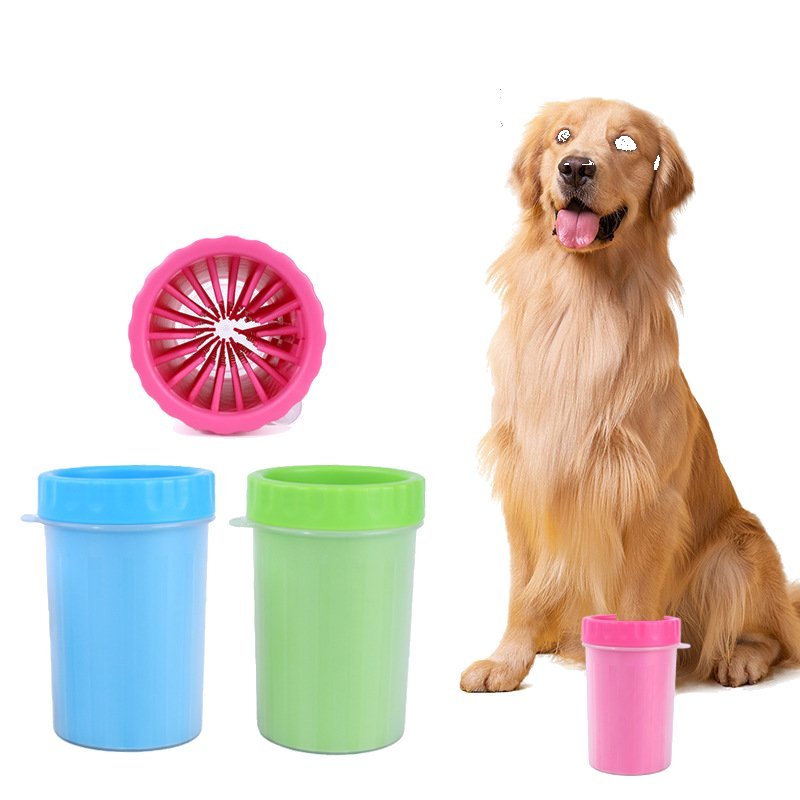
Quick Clean-Up Station: Keep towels and a paw cleaner cup near the door for easy cleanup after outdoor trips.
Products That Make a Difference
Investing in the right products can dramatically improve your senior dog's home safety. The LoyalBond Home Safety Collection includes everything from orthopedic beds to non-slip ramps, all designed with senior dog needs in mind. Each product uses non-toxic, safe materials because your dog's health is the top priority.
Creating a Routine
Beyond physical modifications, establishing a consistent routine helps senior dogs feel secure. Feed, walk, and rest at the same times each day. Predictability reduces anxiety and helps your dog navigate their environment with confidence.
Conclusion
Making your home safe for an aging dog doesn't require a complete renovation. By addressing the key areas of floor safety, stair access, comfortable resting, and easy navigation, you can create an environment where your senior dog thrives. The investment in these modifications pays dividends in your dog's comfort, confidence, and happiness throughout their golden years.
Remember, every dog ages differently. Observe your individual pet's needs and adjust your home accordingly. With patience, love, and the right supportive products, your home can remain the safe, happy haven your dog has always known.