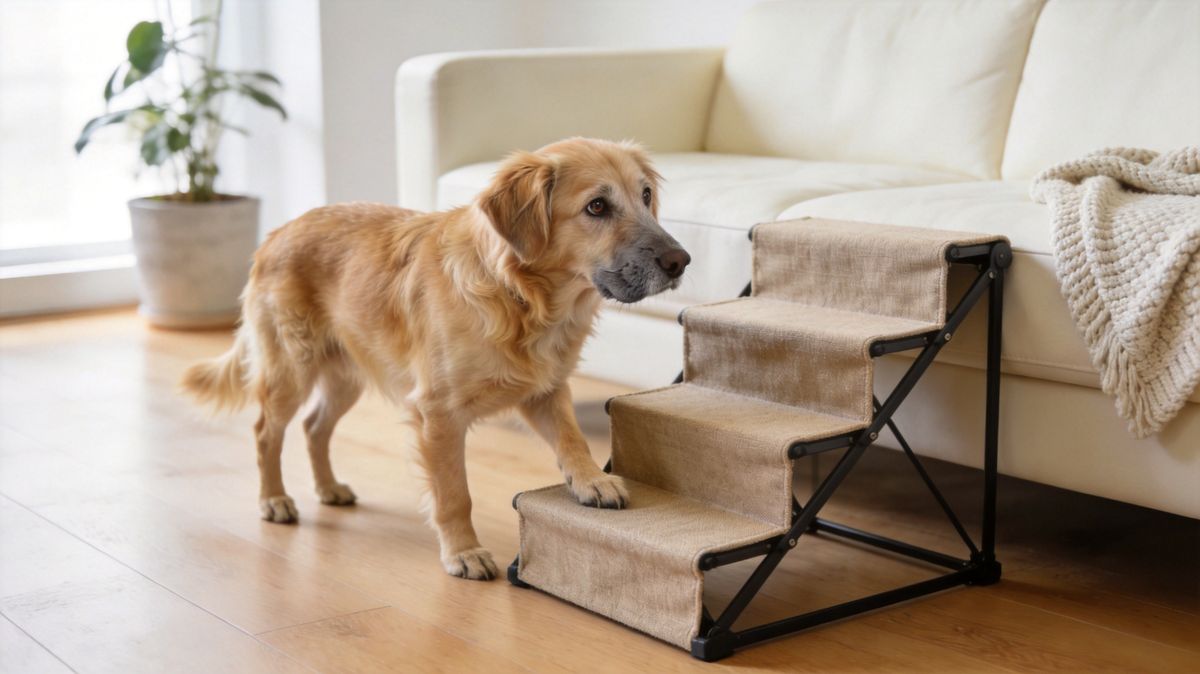
Watching your dog struggle to climb onto their favorite spot on the couch or bed is one of the hardest moments for a pet owner. What used to be a graceful leap becomes a hesitant pause, a failed attempt, or a quiet resignation to sleeping on the floor. Folding pet stairs offer a simple, effective solution that restores your dog's independence while protecting their aging joints.
Why Senior Dogs Struggle with Height
As dogs enter their senior years — typically around 7-10 years old depending on breed size — several physical changes make jumping difficult:
Joint stiffness is one of the most common signs of aging. The cushioning in hips, knees, and elbows naturally wears down over time, making energetic movements like jumping uncomfortable. Even dogs who don't show obvious signs of slowing down may feel stiff when bearing weight on their hind legs.
Muscle loss, particularly in the hindquarters, reduces the power needed to push off the ground. Senior dogs naturally lose muscle mass as they become less active, creating a cycle where less movement leads to weaker muscles, which makes jumping even harder.
Balance and confidence also decline. A dog who once landed perfectly on the couch may misjudge distances or slip on smooth floors. One bad landing can create anxiety that makes them avoid trying at all.
Vision changes further complicate depth perception. Senior dogs with cloudy lenses or reduced vision may not accurately judge the height of furniture, making jumps riskier.
The Risks of Letting Dogs Jump
Allowing a senior dog to continue jumping onto beds and sofas can lead to several problems:
- Stumbles and falls from awkward landings, especially on hard surfaces
- Added stress on stiff joints caused by repeated impact
- Back strain, especially in long-backed breeds like Dachshunds and Corgis
- Loss of confidence that extends beyond furniture — dogs who slip or fall may become generally anxious about movement
- Reluctance to seek comfort, causing your dog to sleep on the floor instead of near you, which can affect their emotional well-being
Some owners resort to lifting their dogs manually, but this carries its own risks — both for the dog (awkward lifting positions can strain their back) and for the owner (back strain from lifting 50+ pound dogs repeatedly).
How Folding Pet Stairs Solve the Problem
Folding pet stairs provide a gradual, low-impact path to elevated surfaces. Instead of one vertical jump of 20-30 inches, dogs climb 3-5 shallow steps, each rising only 5-7 inches. This dramatically reduces the force on joints and muscles.
The key advantages of a folding design include:
Independent Access
Your dog can climb up and down whenever they want, without waiting for assistance. This independence is important for their mental well-being — senior dogs who can still make their own choices tend to be more confident and less anxious.
Storage Convenience
Unlike bulky fixed ramps or permanent stair sets, folding stairs collapse flat when not in use. This is especially valuable in smaller living spaces, bedrooms, or when traveling. You can slide them under a bed, lean them against a wall, or pack them in the car for trips.
Multi-Location Use
A lightweight folding design lets you move stairs between the bedroom, living room, and even vehicles. Many owners keep one set by the bed and another by the couch, or use a single set that travels with the dog throughout the day.
No Installation Required
Folding stairs arrive fully assembled and ready to use. There are no tools, brackets, or modifications to your furniture. Simply unfold, place against the bed or sofa, and your dog can begin using them immediately.
What to Look for in Quality Pet Stairs
Not all pet stairs are created equal. Here are the features that matter most for senior dogs:
Sturdy, non-slip steps: Each tread should have a textured surface or non-slip fabric to prevent paw slides. The frame should not wobble or shift when your dog climbs.
Appropriate step height: For senior dogs, look for steps that are 5-7 inches high. Higher steps (8+ inches) defeat the purpose by requiring significant effort per step.
Weight capacity: Check that the stairs support your dog's weight with a comfortable margin. A 50-pound dog should use stairs rated for at least 80-100 pounds to ensure stability.
Weight of the stairs themselves: If you plan to move stairs between rooms, a lightweight design (under 10 pounds) makes this practical. Heavier wooden stairs may be sturdier but less portable.
Soft or rounded edges: Senior dogs with reduced vision or unsteady movement benefit from rounded corners and soft surfaces that minimize bumps and bruises.
Easy-to-clean materials: Look for removable, machine-washable covers or surfaces that wipe clean easily. Senior dogs may have accidents or track in dirt.
Introducing Your Dog to Pet Stairs
Some senior dogs take to stairs immediately, while others need gentle encouragement:
1. Start low: Place the stairs flat or at the lowest setting initially so your dog gets used to stepping on them.
2. Use treats and praise: Encourage your dog to climb with their favorite treats. Place a treat on each step, then reward heavily at the top.
3. Lead by example: Walk next to the stairs and pat the surface. Sometimes seeing you beside them gives confidence.
4. Be patient: Don't force your dog. Let them explore at their own pace over several short sessions.
5. Add a familiar scent: Placing a favorite blanket on the top step can make the destination more appealing.
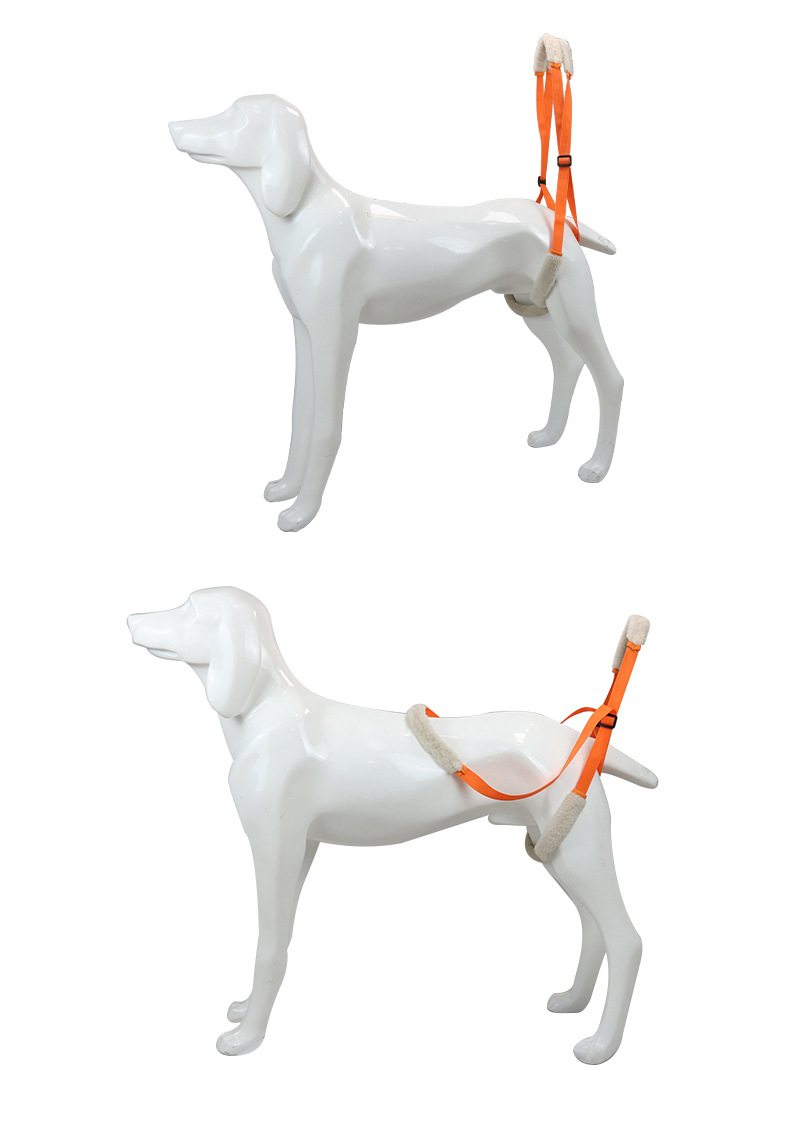
6. Practice descending too: Many dogs climb up confidently but are nervous about going down. Guide them gently with a leash or support harness until they build confidence.
Most dogs adapt within a few days. Once they realize the stairs lead to their favorite sleeping spot, they typically use them without hesitation.
When to Use Stairs vs. Ramps
Both stairs and ramps help senior dogs access elevated surfaces, but they serve slightly different needs:
Stairs work best when:
- The surface is 15-30 inches high (bed or sofa height)
- Space is limited (stairs have a smaller footprint than ramps)
- Your dog has reasonable balance but reduced jumping power
- You need something portable or foldable
Ramps work best when:
- The surface is very high (vehicle access, tall beds)
- Your dog has severe balance challenges or limited coordination
- Your dog is very large and needs a gradual slope
- You're helping a dog rest after a veterinary procedure
For most senior dog owners dealing with bed and sofa access, folding stairs are the more practical and space-efficient choice.
Additional Tips for Senior Dog Comfort
Beyond stairs, consider these complementary adjustments:
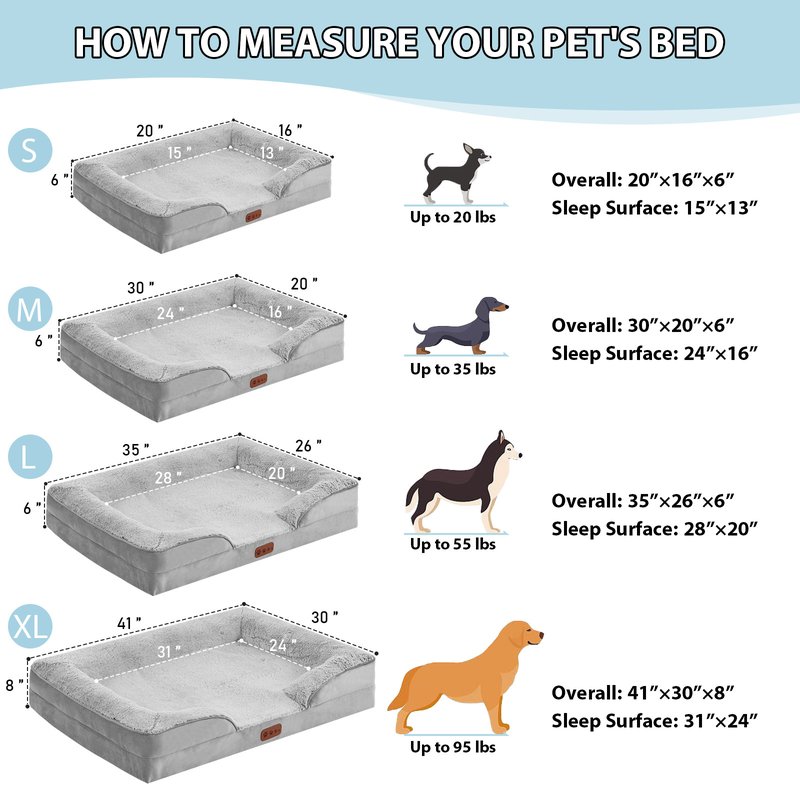
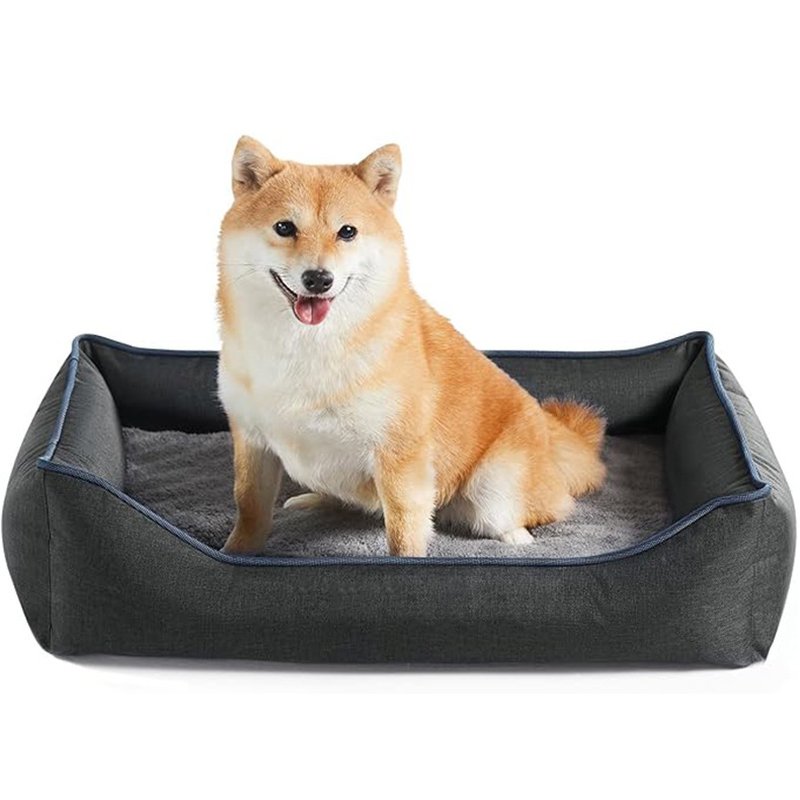
Place a comfortable bed at floor level in the same room so your dog has an appealing alternative even if they don't want to climb. An orthopedic bolster dog bed provides joint cushioning on any surface.
Use non-slip runners on hardwood or tile floors leading to the stairs. Senior dogs need secure footing to approach the steps confidently.
Consider a support harness for dogs who need extra assistance. A hind leg support harness lets you support their hindquarters while they navigate stairs, providing stability without fully lifting them.
Keep nails trimmed. Long nails alter a dog's footing and can make climbing any surface more difficult.
Maintain a healthy weight. Every extra pound adds stress to joints. If your senior dog is overweight, even the best stairs won't fully compensate for the additional strain.
A Note on Safety
Always supervise your dog during the first few uses of any new stairs. Check the stairs regularly for loose screws, worn fabric, or structural weakness. Place the stairs on a level surface and ensure they sit flush against the furniture without gaps that could catch a paw.
If your dog has had a recent veterinary procedure, has severe balance challenges, or has trouble with coordination, check with your veterinarian before using pet stairs. In some cases, a ramp or assisted lifting may be more appropriate.
Conclusion
Folding pet stairs are one of the simplest, most affordable investments you can make in your senior dog's quality of life. They restore independent access to the furniture your dog loves, make climbing safer and easier than jumping, and fold away neatly when you need the space.
The right set of stairs — sturdy, appropriately sized, and non-slip — can extend the years your dog happily spends napping beside you on the couch or resting at your feet on the bed. That comfort and companionship is what caring for a senior dog is all about.
At LoyalBond, our 3-Tier Folding Pet Stairs are designed with senior and small breed dogs in mind, with a sturdy frame, non-slip steps, and a foldable design that stores flat. Each step is covered in soft, easy-to-clean fabric, and the lightweight build makes moving between rooms effortless.
Explore our full Home Safety Collection to find more products designed to keep your aging companion comfortable, safe, and independent.