Mobility is one of the most important factors in a senior dog's quality of life. When a dog can move comfortably, they remain engaged with their family, maintain muscle mass, and enjoy mental stimulation from exploring their environment. The right mobility aids can make the difference between a dog who withdraws from life and one who continues to thrive in their senior years.
Understanding Senior Dog Mobility Issues
Before choosing mobility aids, it helps to understand the common conditions that affect aging dogs:
Osteoarthritis: This degenerative joint disease affects an estimated 80% of dogs over age 8. It causes pain, stiffness, and reduced range of motion, particularly in the hips, knees, and elbows.
Hip Dysplasia: While often a genetic condition present from youth, hip dysplasia worsens with age as cartilage deteriorates and arthritis develops.
Degenerative Myelopathy: This progressive spinal cord disease affects hind leg coordination and strength, commonly seen in German Shepherds, Corgis, and other breeds.
Intervertebral Disc Disease: Disc problems can cause pain, weakness, and even paralysis, particularly in long-backed breeds like Dachshunds.
General Muscle Loss: Sarcopenia, the age-related loss of muscle mass, affects all dogs and contributes to weakness and instability.
Types of Mobility Aids
Support Harnesses
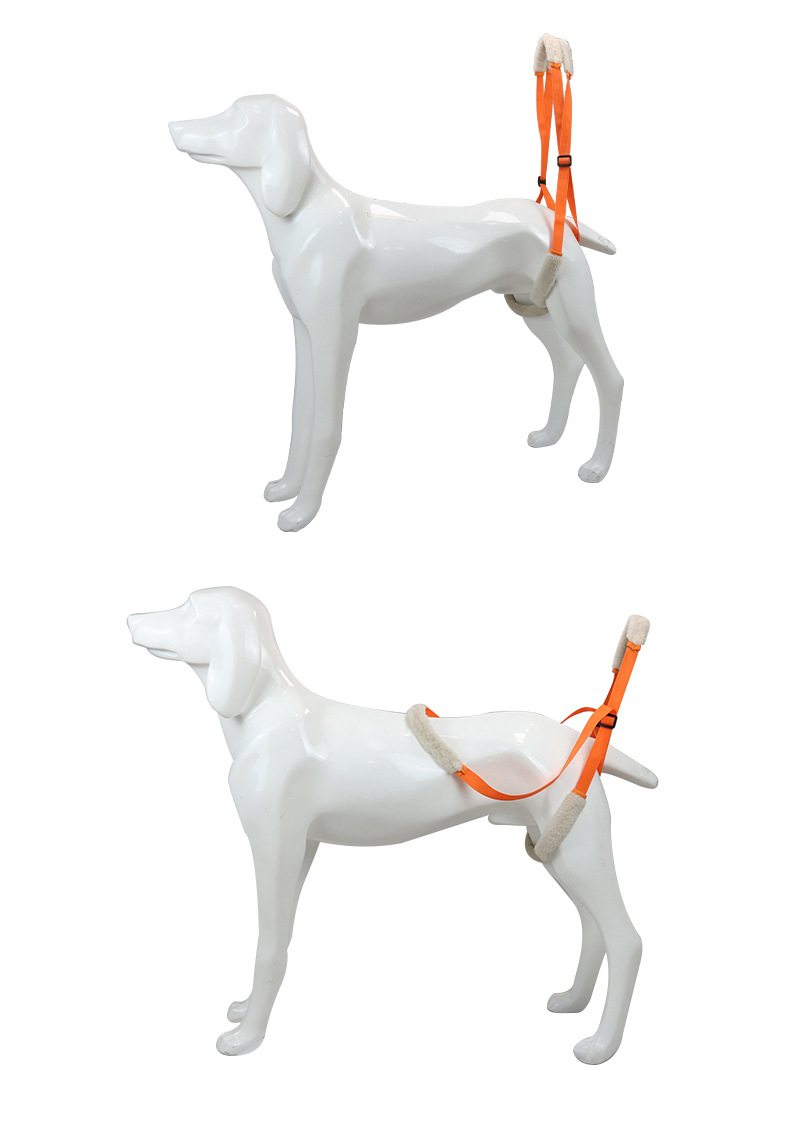
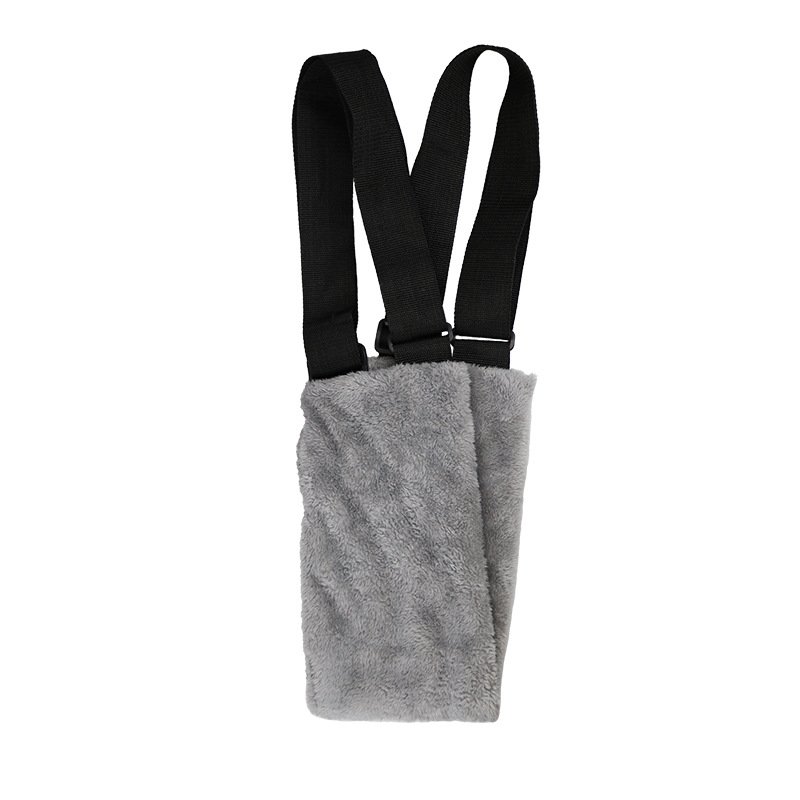
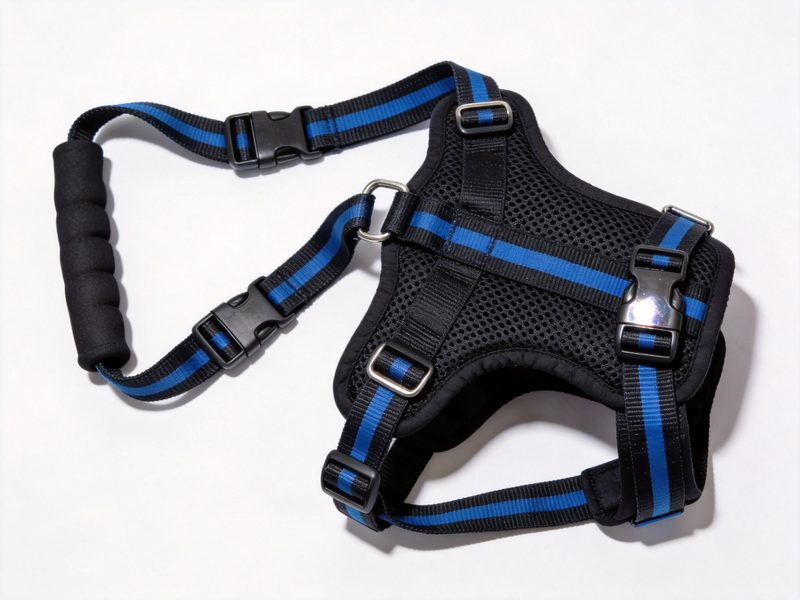
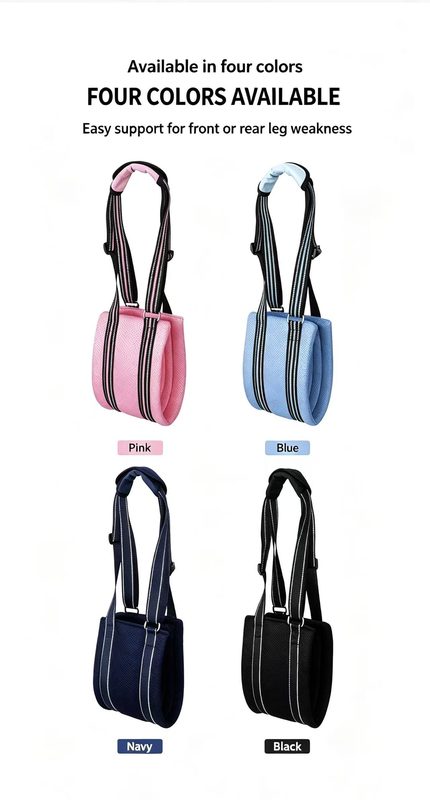
A quality support harness like the Hind Leg Support Harness or the Mesh Support Sling is perhaps the most versatile mobility aid for senior dogs. These harnesses provide a handle for you to assist your dog with standing, walking, climbing stairs, and entering vehicles.
Key Features to Look For:
- Wide, padded straps that distribute pressure evenly
- A sturdy handle positioned over the dog's center of gravity
- Breathable materials to prevent overheating
- Adjustable fit to accommodate weight changes
- Quick-release buckles for easy on/off
When to Use: Support harnesses are ideal for walks, stairs, car transfers, and any situation where your dog needs a little extra stability. They're also helpful for post-surgery recovery.
Orthopedic Beds and Mats
Proper resting support is crucial for senior dogs. Quality sleep allows the body to rest and recover, and the right bed can help your pet feel more refreshed in the morning.
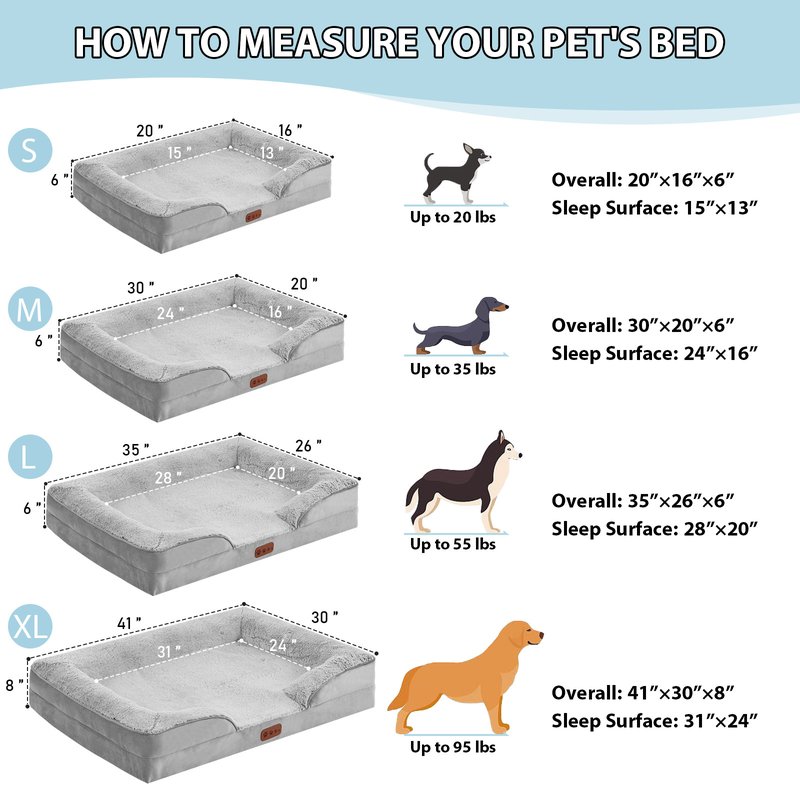
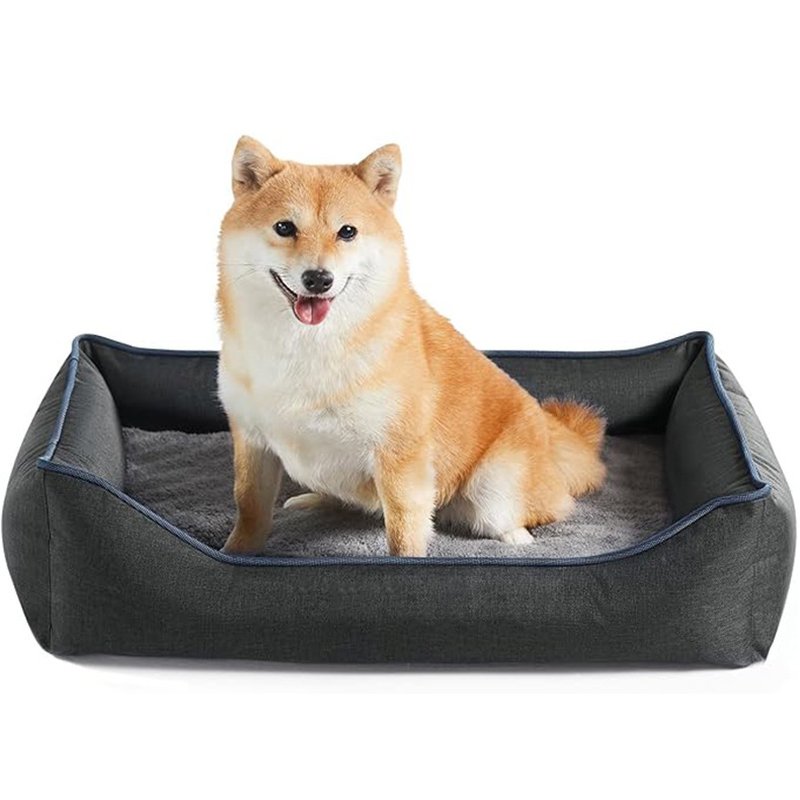
Memory Foam Beds: The Orthopedic Bolster Dog Bed contours to the dog's body, providing even support and comfortable weight distribution. Look for high-density foam at least 4 inches thick.
Heated Beds: Gentle warmth can provide added comfort, especially in cold weather. Always choose pet-safe options with temperature regulation.
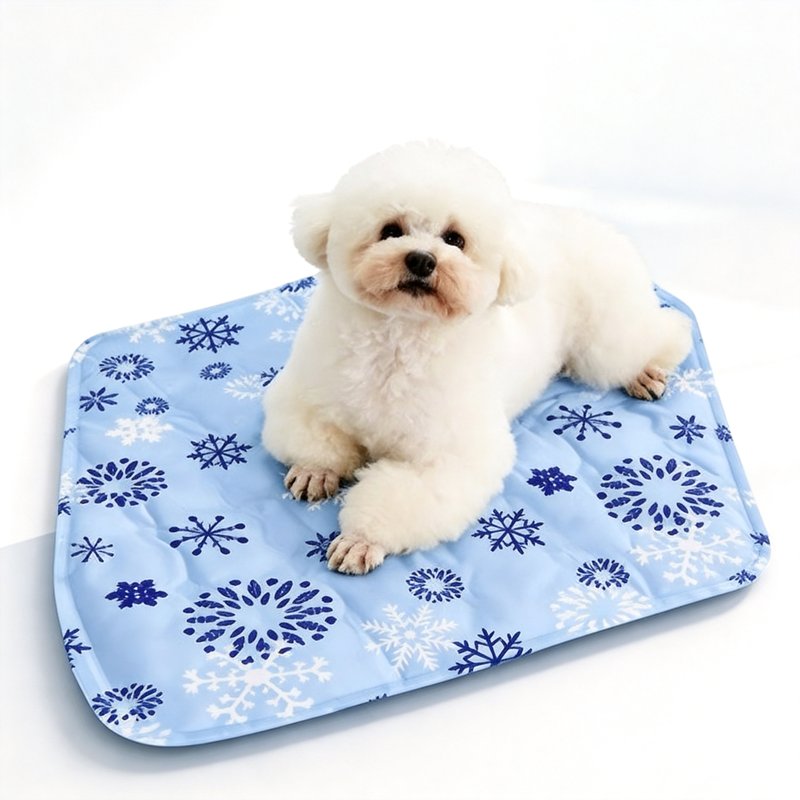
Cooling Mats: For dogs who struggle with temperature regulation, a cooling mat provides comfortable rest without overheating.
Non-Slip Solutions
Slipping on hard floors is both a safety hazard and a confidence-killer for senior dogs.
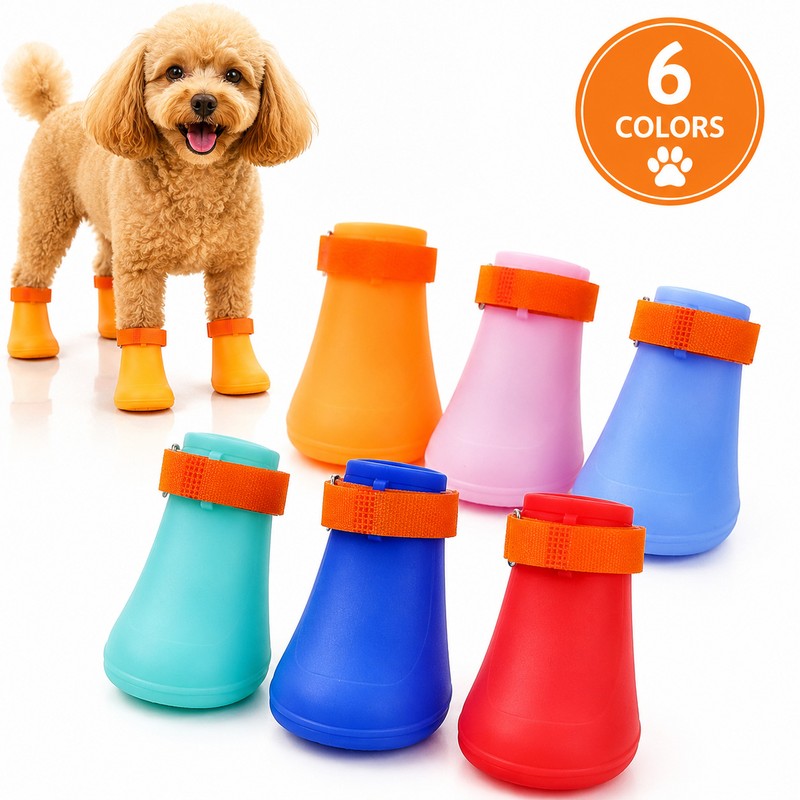
Paw Grip Pads: Silicone paw covers like our Waterproof Silicone Dog Rain Boots also provide traction on smooth floors to your dog's paws, providing traction on any surface. They're particularly useful for dogs who need to navigate multiple floor types.
Floor Mats and Runners: Strategic placement of non-slip mats along primary paths gives dogs reliable footing throughout the home.
Nail Trimming: Keep nails short to maximize paw pad contact with the ground. Overgrown nails act like high heels, reducing stability.
Ramps and Stairs
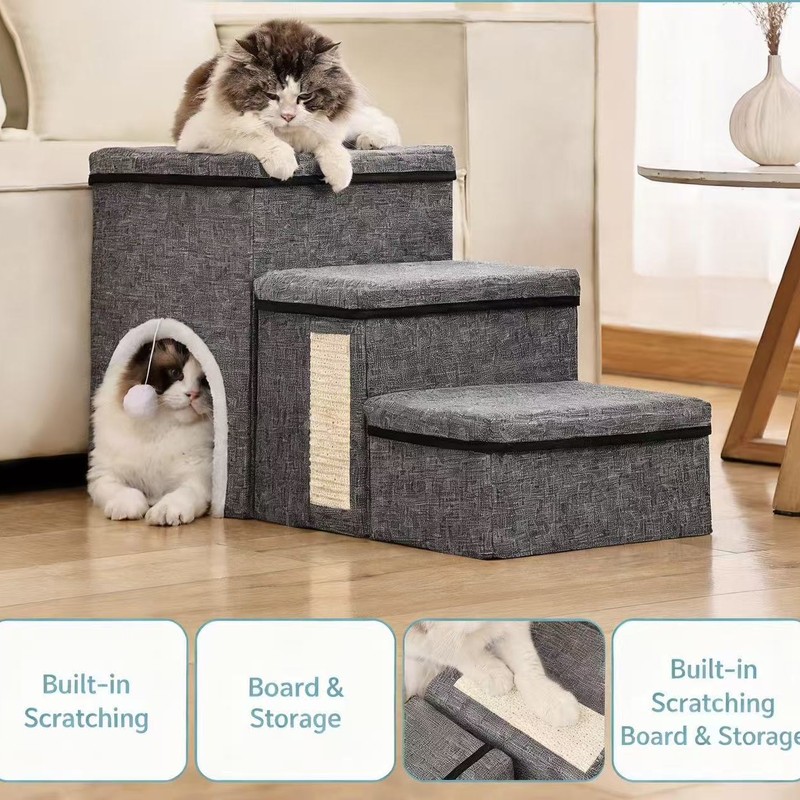
For accessing furniture, vehicles, or elevated surfaces, ramps and folding pet stairs eliminate the need for jumping.
Choosing the Right Ramp: Consider the height it needs to reach, available space for placement, and your dog's size. The incline should be gentle enough that your dog uses it willingly.
Training Tips: Introduce ramps gradually with treats and praise. Start with the ramp flat, then slowly increase the angle over several sessions.
Elbow Protectors
Large breed seniors are particularly prone to developing painful elbow calluses and hygromas from lying on hard surfaces.
How They Work: Soft, padded wraps cushion the elbow joint on hard surfaces, providing a comfortable protective layer.
When to Use: During rest periods on hard surfaces, and for dogs who already have elbow calluses or hygromas.
Choosing the Right Products for Your Dog
Assess Your Dog's Specific Needs
Every senior dog is different. Consider:
- Which joints are most affected
- What activities they struggle with most
- Their size and strength
- Your home environment
- Your physical capabilities as a caregiver
Quality Matters
Invest in well-made products from reputable companies. Cheap imitations may fail when your dog needs support most, potentially causing injury. Look for:
- Non-toxic, pet-safe materials
- Sturdy construction rated for your dog's weight
- Positive reviews from other senior dog owners
- Veterinary recommendations
Proper Fit is Essential
Ill-fitting products can cause more harm than good. Always measure your dog carefully before purchasing harnesses, clothing, or wearable aids. When in doubt, size up rather than down.
Combining Mobility Aids for Maximum Benefit
The most effective approach often involves combining multiple aids:
Morning Routine: Help your dog stand with a support harness, walk them on non-slip surfaces to an elevated feeding station, then let them rest on an orthopedic bed.
Walk Time: Fit the support harness for stability, add paw grips for outdoor traction, and keep the walk short and comfortable.
Evening: Use the harness to help onto their orthopedic bed, and consider elbow protectors if they sleep on a hard surface.
When Mobility Aids Aren't Enough
While mobility aids can dramatically improve quality of life, they work best as part of a comprehensive senior care plan that includes:
- Regular veterinary check-ups
- Appropriate pain management
- Weight management through diet
- Gentle, regular exercise
- Joint supplements as recommended by your vet
Conclusion
Mobility aids are powerful tools for maintaining your senior dog's quality of life. From support harnesses that help them stay active to orthopedic beds that ensure restful sleep, the right products can help your aging companion continue enjoying life to the fullest.
At LoyalBond, every product in our Home Safety Collection is designed with real senior dog needs in mind. We use only non-toxic, pet-safe materials because we believe your dog's wellbeing comes first. Explore our collection to find the perfect combination of mobility aids for your loyal companion.
Remember, the goal isn't to eliminate all challenges of aging, but to provide support that allows your dog to remain comfortable, active, and engaged with the family they love. With the right mobility aids, your senior dog can continue making memories with you for years to come.