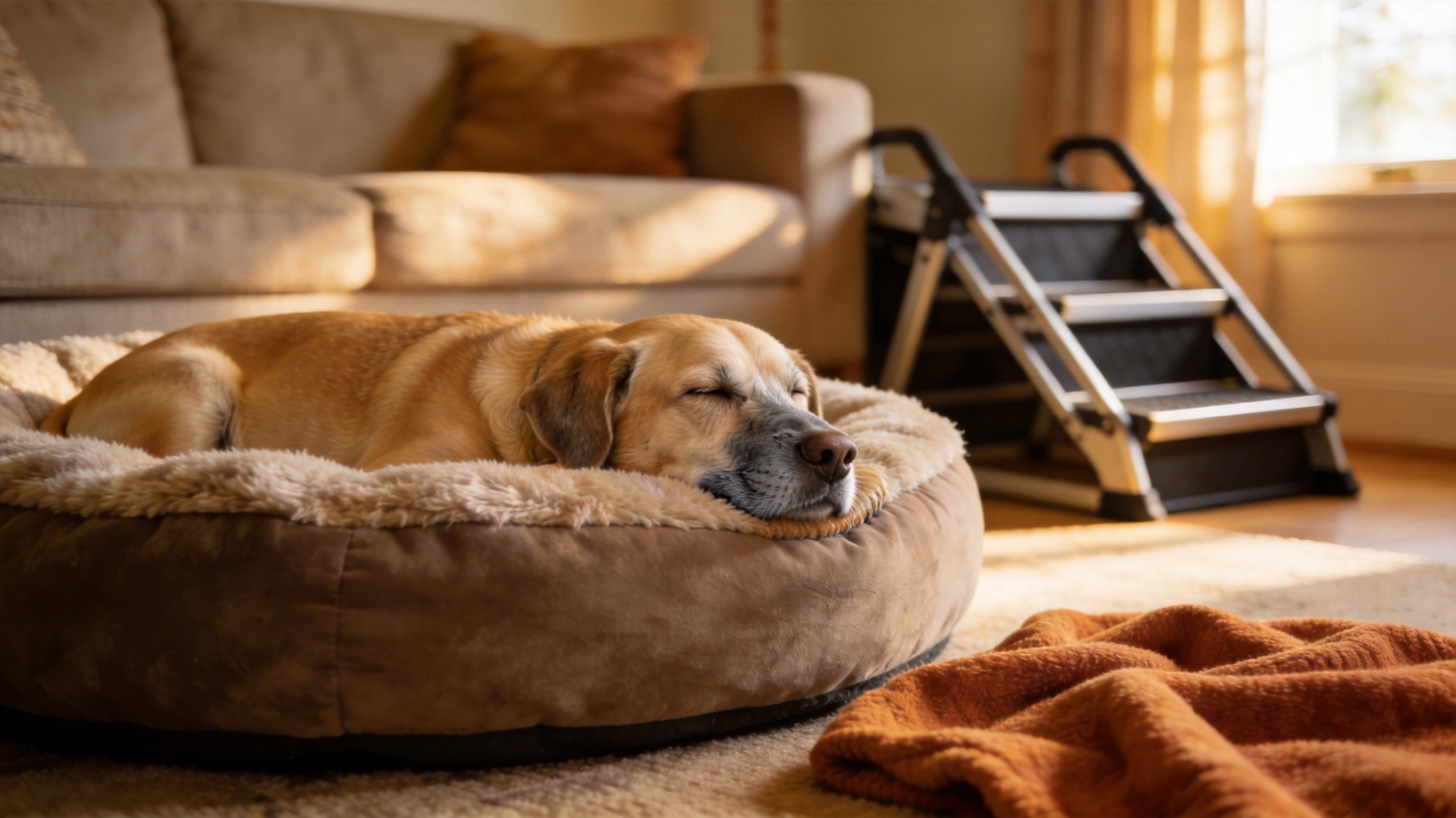
If your dog has started hesitating at the bottom of the stairs, taking longer to stand up after a nap, or no longer greets you at the door with their usual enthusiasm, arthritis may be setting in. It's one of the most common health issues in older dogs — affecting roughly 20% of adult dogs and the majority of dogs over age 8 — but it is also one of the most manageable.
This guide walks you through how to recognize canine arthritis, what treatments are available, and the practical changes you can make at home to keep your dog comfortable, mobile, and happy.
What Is Canine Arthritis?
Arthritis (more precisely, osteoarthritis or degenerative joint disease) is the progressive wearing down of cartilage in the joints. Healthy cartilage acts as a cushion between bones, allowing smooth, pain-free movement. As cartilage erodes, bone rubs against bone, causing inflammation, pain, stiffness, and reduced range of motion.
It most commonly affects:
- Hips — especially in large breeds and dogs with hip dysplasia
- Elbows — common in breeds prone to elbow dysplasia
- Knees (stifles) — often following cruciate ligament injury
- Shoulders — especially in active or working dogs
- Spine — causing stiffness and difficulty bending or turning
Arthritis cannot be cured, but it can be managed effectively. With the right combination of veterinary care, lifestyle adjustments, and supportive products, most arthritic dogs continue to enjoy a good quality of life for years.
10 Signs Your Dog May Have Arthritis
Dogs are masters at hiding pain — it's an evolutionary survival instinct. By the time obvious lameness appears, the condition may already be advanced. Watch for these subtler signs:
1. Difficulty rising after lying down, especially in the morning or after long naps
2. Reluctance to climb stairs or jump onto furniture they used to navigate easily
3. Stiff, awkward gait that improves slightly after a few minutes of movement
4. Limping or favoring a leg after exercise or upon waking
5. Decreased interest in walks, play, or activities they once loved
6. Weight gain due to reduced activity
7. Irritability or vocalization when touched near sore joints
8. Sleeping more and being less engaged with the household
9. Slipping on smooth floors due to reduced hind-end stability
10. Muscle loss over the hindquarters from decreased use
If you notice two or more of these signs persisting for more than two weeks, schedule a veterinary visit. Early intervention leads to better outcomes.
What to Expect at the Vet
Your veterinarian will perform a physical exam, palpating joints for swelling, heat, crepitus (grinding), and pain response. They may recommend:
- X-rays to assess joint changes and rule out other conditions
- Blood work to screen for underlying causes and establish a baseline for medication
- Weight assessment — even modest weight loss significantly reduces joint stress
- A tailored management plan combining medication, supplements, and lifestyle changes
Common treatments include:
- NSAIDs (non-steroidal anti-inflammatory drugs) like carprofen or meloxicam for pain and inflammation
- Joint supplements — glucosamine, chondroitin, and green-lipped mussel have varying levels of evidence
- Omega-3 fatty acids (fish oil) for their anti-inflammatory properties
- Physical therapy — underwater treadmill, massage, and range-of-motion exercises
- Adequan injections — polysulfated glycosaminoglycan that may help protect cartilage
- Acupuncture and laser therapy — growing evidence supports their adjunctive use
Always consult your veterinarian before starting any supplement or medication, especially if your dog takes other medications.
Home Modifications for Arthritic Dogs
Small changes to your home environment can dramatically reduce daily joint stress:
Flooring
Smooth hardwood and tile floors are skating rinks for dogs with weak hind ends. Add:
- Non-slip rugs or runners along high-traffic paths
- Yoga mats or paw pads near their bed and food bowls
- **Toe grips or silicone paw covers** for traction on smooth surfaces
Access
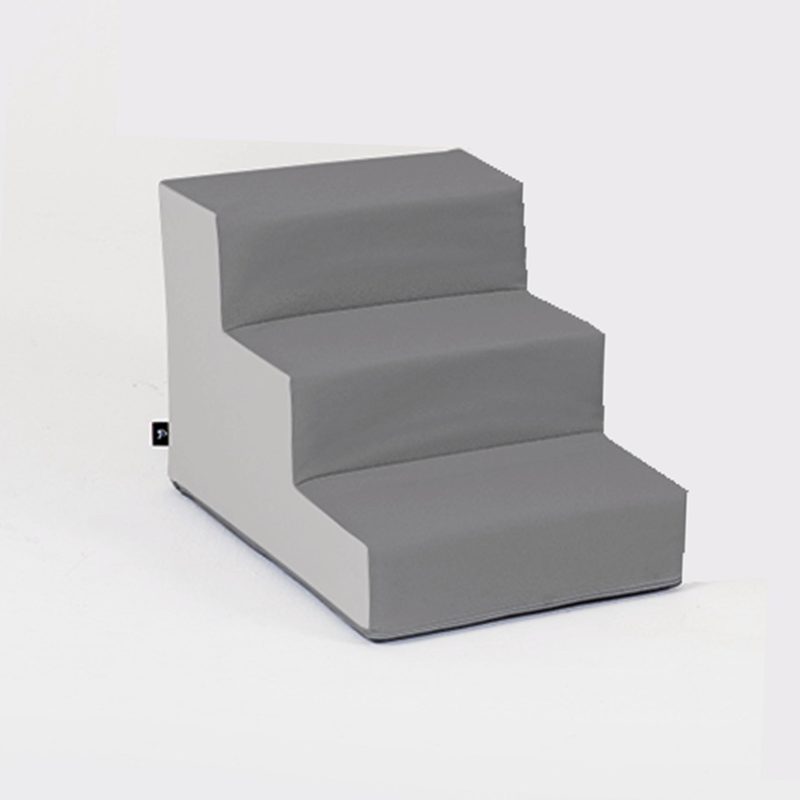
- Add **pet ramps or folding pet stairs** next to beds, sofas, and cars so your dog doesn't have to jump
- Place food and water on an elevated stand to reduce neck and shoulder strain
- Keep a comfortable bed on the ground floor so they don't need stairs for naps
Comfort
- Provide a thick, supportive orthopedic bed that cushions pressure points — memory foam or egg-crate foam works well
- Keep the home warm; cold stiffens joints. A heated bed or blanket in winter can help
- Maintain a consistent, comfortable room temperature year-round
Routine
- Short, gentle walks (5–10 minutes, multiple times daily) are better than one long walk
- Avoid high-impact play like frisbee or ball chasing; substitute with gentle sniffing walks and puzzle toys
- Keep nails trimmed — long nails alter posture and worsen joint strain
The Role of Mobility Aids
Mobility aids don't replace veterinary treatment, but they bridge the gap between what your dog wants to do and what their joints allow. Here's how different aids help:
Orthopedic Beds
A supportive bed is the foundation of arthritis care. Look for:
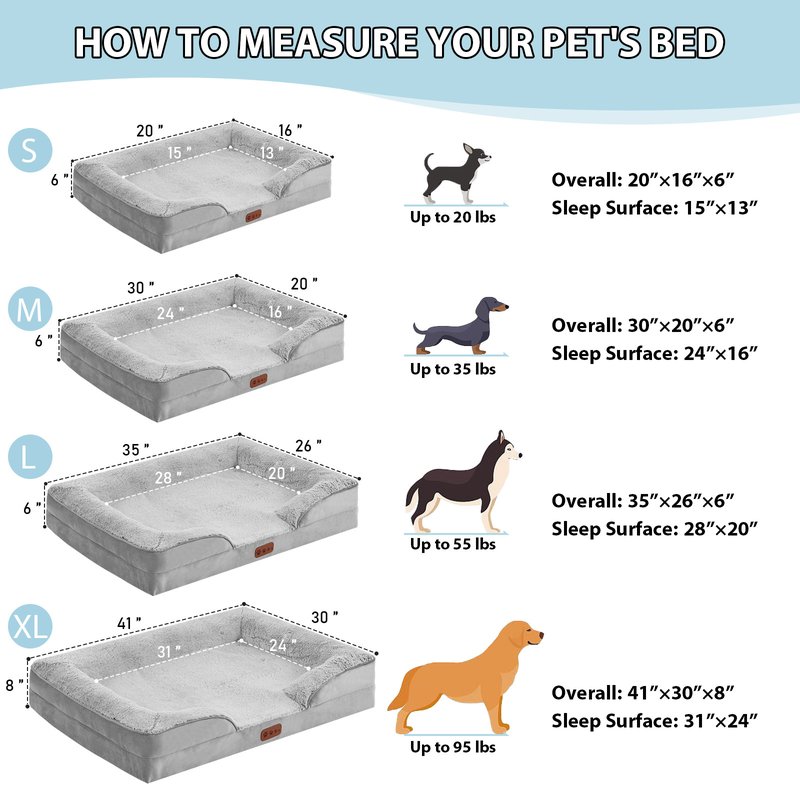
- Memory foam or medical-grade orthopedic foam at least 10 cm thick
- Bolster edges for head support and a sense of security
- Non-slip bottom so the bed doesn't slide when they stand
- Waterproof or washable cover for accident management
- Low entry point so they don't have to step up high
The Orthopedic Bolster Dog Bed features high-density memory foam, a waterproof liner, and a low-profile design that makes it easy for stiff dogs to settle into.
Lifting Harnesses and Support Slings
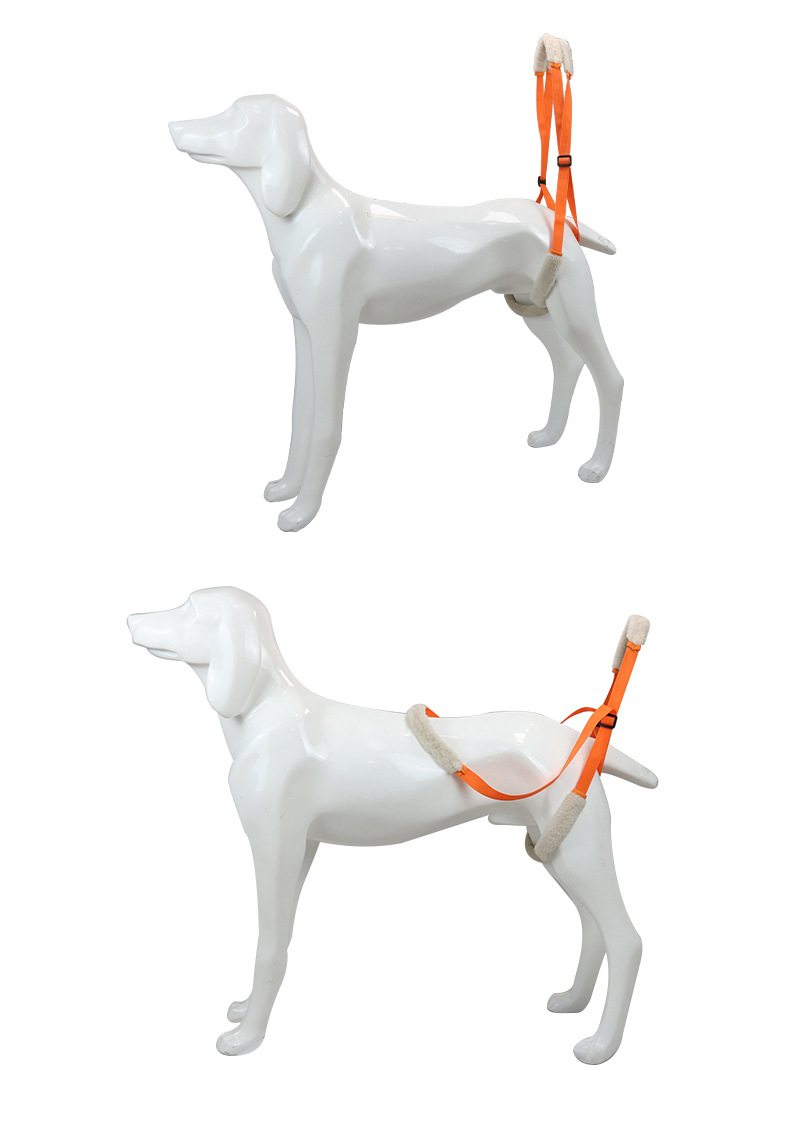
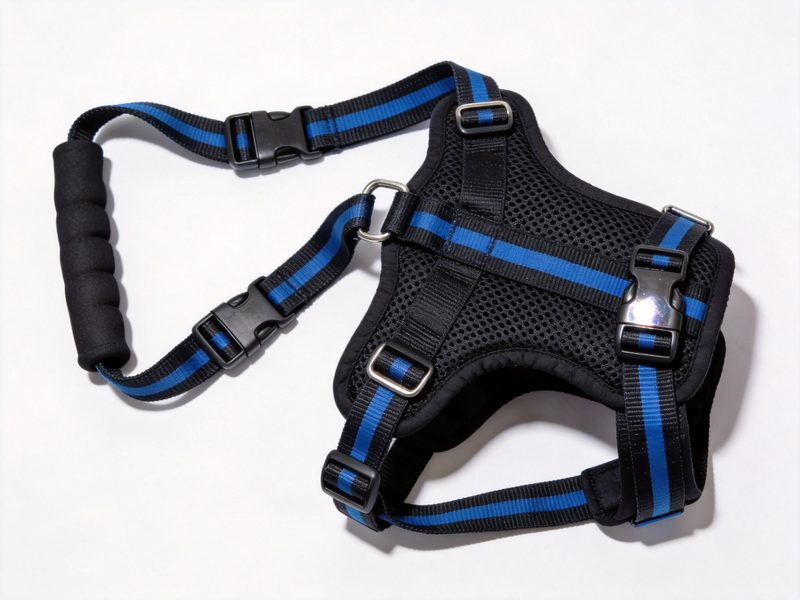
For dogs with hind-end weakness, a lifting harness or support sling takes pressure off painful hips and knees while you help them:
- Stand up from lying down
- Navigate stairs
- Get in and out of the car
- Walk on slippery floors
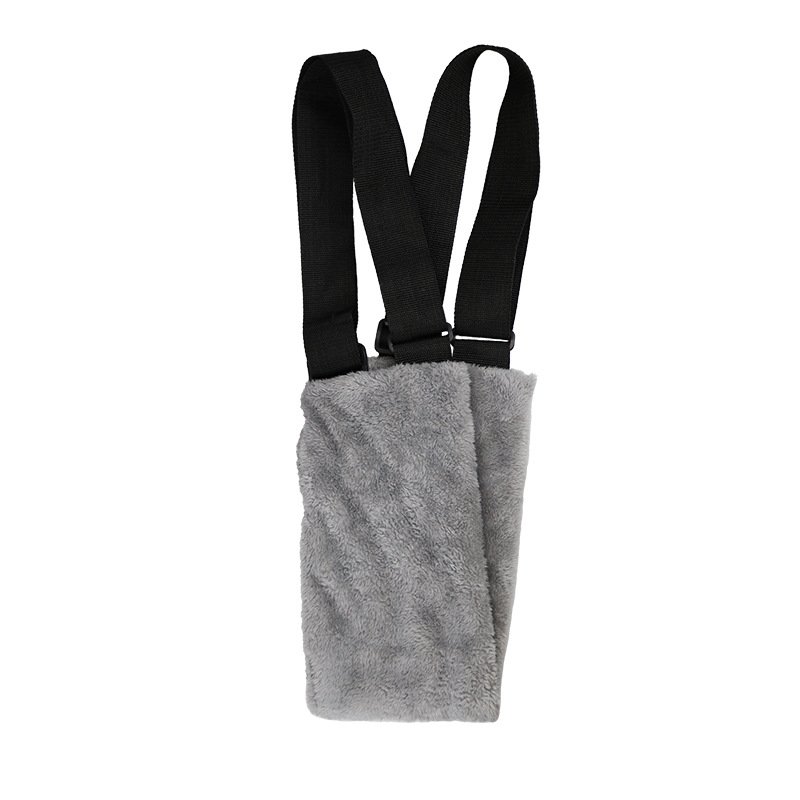
The Senior Dog Hind Leg Support Harness is designed for quick, on-the-go support — just clip it around the hindquarters and use the handle to assist. For all-day shoulder and chest support, the Mesh Shoulder Sling Support Harness distributes weight more evenly and is comfortable for longer walks.
Use these aids proactively — before your dog struggles — to prevent falls and build confidence.
Folding Pet Stairs
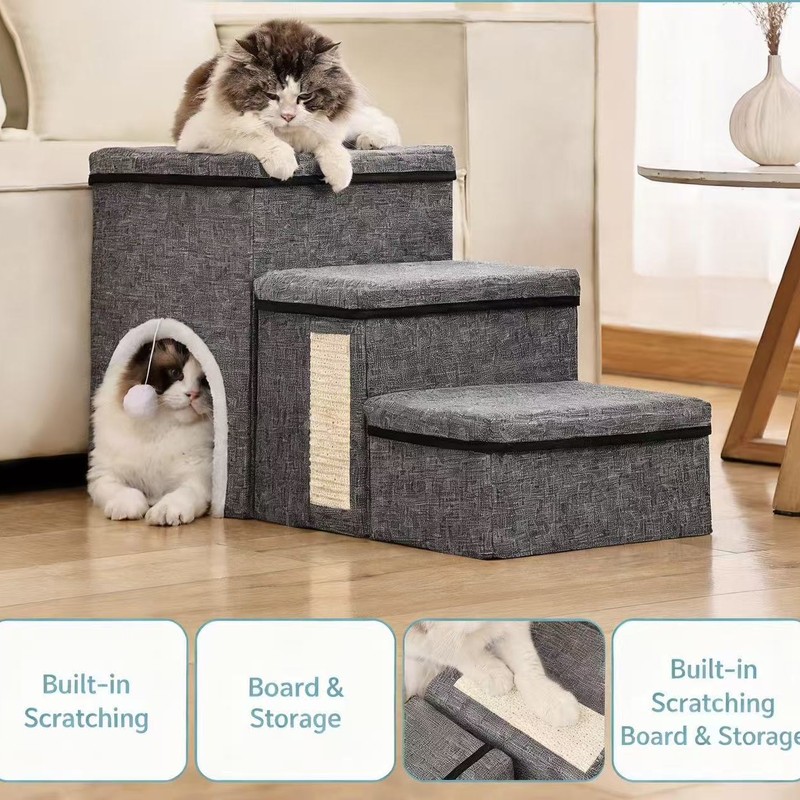
Jumping down from a sofa or bed exforces several times the dog's body weight onto already-sore joints. Pet stairs eliminate the jump. The 3-Tier Folding Pet Stairs provide a gentle incline, fold flat for storage, and include a storage compartment for toys and supplies.
Elevated Bowls
Bending the neck to eat and drink from floor bowls strains the cervical spine and shoulders. An adjustable elevated bowl brings food to a comfortable height and can be set to match your dog's shoulder level.
Mental Stimulation Without Physical Strain
Dogs with arthritis still need enrichment. A snuffle mat provides nose-driven mental exercise while lying down — no running, jumping, or joint impact required. Sprinkle a few treats across the mat and let your dog forage naturally.
Weight Management: The Single Most Impactful Change
If your arthritic dog is overweight, slimming down is the most effective intervention available. Research consistently shows that weight loss alone can reduce lameness and improve mobility in arthritic dogs — sometimes as effectively as medication.
- Aim for a body condition score of 4–5 out of 9 (you should feel ribs without pressing hard)
- Measure meals precisely rather than free-feeding
- Replace a portion of kibble with low-calorie vegetables like green beans
- Use a slow feeder bowl to make meals last longer and feel more satisfying
- Discuss a calorie target with your vet, as needs vary by breed and activity level
Exercise: Quality Over Quantity
Arthritic dogs should not be sedentary — inactivity worsens stiffness and muscle loss — but exercise must be low-impact and consistent:
- Leash walks on soft ground (grass, dirt, trails) are better than pavement
- 5–15 minutes, 2–3 times daily is ideal for most senior dogs
- Warm up with a gentle massage or a few minutes of slow walking before activity
- Swimming and underwater treadmills are excellent — water supports joints while building muscle
- Avoid cold, damp weather — a dog coat or sweater helps keep joints warm
- Stop if your dog limps, lags behind, or seems tired; soreness lasting more than a day means you overdid it
When to Consider Advanced Options
If medication, supplements, and lifestyle changes aren't providing enough relief, talk to your vet about:
- Stem cell therapy and platelet-rich plasma (PRP) injections — regenerative treatments showing promising results
- Total hip replacement or other surgical options for severe cases
- Nerve ablation procedures for chronic spinal arthritis pain
- Referral to a veterinary orthopedic specialist or rehabilitation veterinarian
These options can be costly but may dramatically improve quality of life for otherwise healthy dogs.
The Emotional Side
Watching a dog slow down is hard. It's normal to feel guilty or sad. But remember: dogs live in the moment. They don't mourn the walks they used to take; they appreciate the comfortable bed, the slow sniff around the yard, and the extra cuddles on the couch. By adapting their environment and managing their pain, you give them the gift of a dignified, comfortable senior life.
A Day in the Life of an Arthritic Dog
A well-managed day might look like this:
- Morning: Slow wake-up on an orthopedic bed, gentle assistance standing with a harness if needed, a short warm-up walk on soft grass
- Breakfast: Elevated slow-feeder bowl with measured portions; meds hidden in a pill pocket if prescribed
- Midday: Quiet time on a supportive bed indoors; a snuffle mat session for mental engagement
- Afternoon: Short leash walk or gentle play; avoid jumping — use pet stairs for sofa access
- Evening: Warm, comfortable sleeping spot; a gentle leg massage; final short bathroom walk before bed
This routine keeps joints mobile, manages pain, and preserves the bond and routine your dog relies on.
Final Thoughts
Arthritis is a chronic condition, but it doesn't define your dog's life. With early recognition, veterinary partnership, smart home modifications, and the right supportive gear, most arthritic dogs continue to enjoy walks, meals, cuddles, and comfort for years after diagnosis. The goal isn't to turn back the clock — it's to make every day as pain-free and dignified as possible.
If you suspect your dog has arthritis, start with a vet visit this week. Then build your toolkit with help from our Home Safety Collection: a supportive bed, a lifting harness, pet stairs, an elevated bowl, and plenty of patience and love.
Sources: Canine Arthritis Management (caninearthritis.org); American College of Veterinary Surgeons (ACVS) osteoarthritis resources; Morris Animal Foundation golden retriever lifetime study; PetMD weight management and arthritis guidelines.