As our beloved dogs age, they go through changes that aren't always obvious at first. Unlike humans who might complain about aching joints or difficulty moving, dogs tend to adapt silently to discomfort. This means it's up to us as pet parents to recognize the subtle signs that our senior dogs need extra support.
Understanding When Dogs Become Seniors
The aging process varies significantly by breed size. Small breeds typically enter their senior years around 10-12 years of age, while large and giant breeds may show senior signs as early as 6-7 years. Regardless of breed, all dogs benefit from extra attention and support as they age.
Sign 1: Difficulty Getting Up
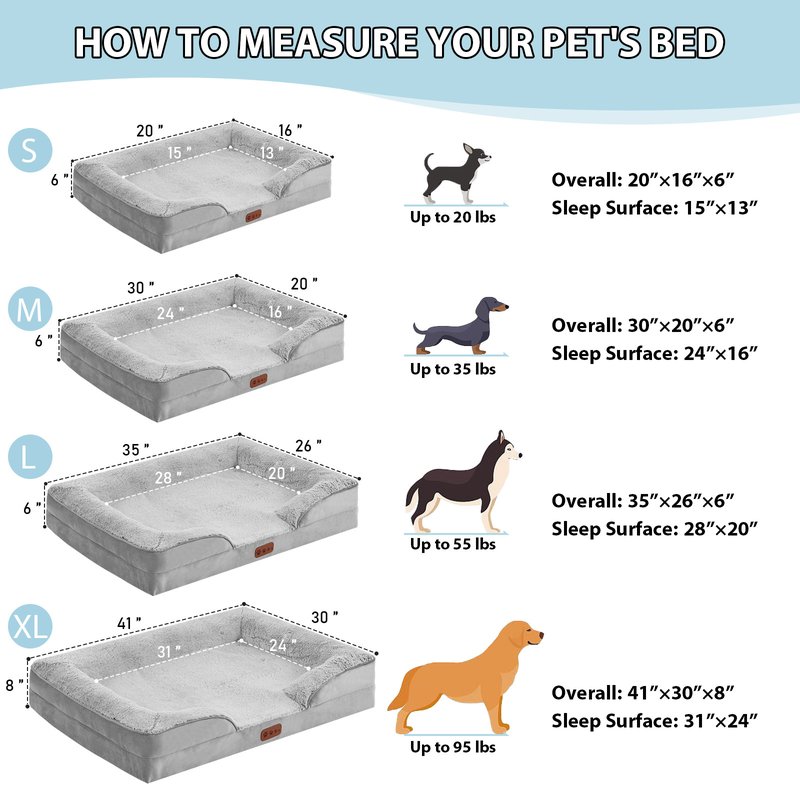
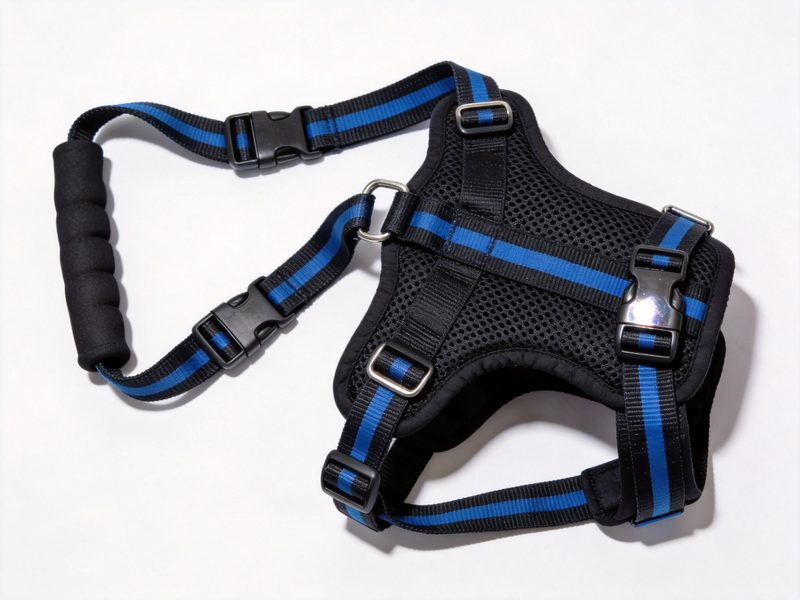
One of the most common early signs of aging is stiffness when rising from a resting position. You might notice your dog hesitating before standing up, especially in the morning or after a long nap. They may take a few moments to "get going" before walking normally. This stiffness often indicates joint discomfort or early arthritis, and it's one of the clearest signals that your dog would benefit from orthopedic support products like an orthopedic bolster dog bed or a support harness.
Sign 2: Reluctance to Jump or Climb Stairs
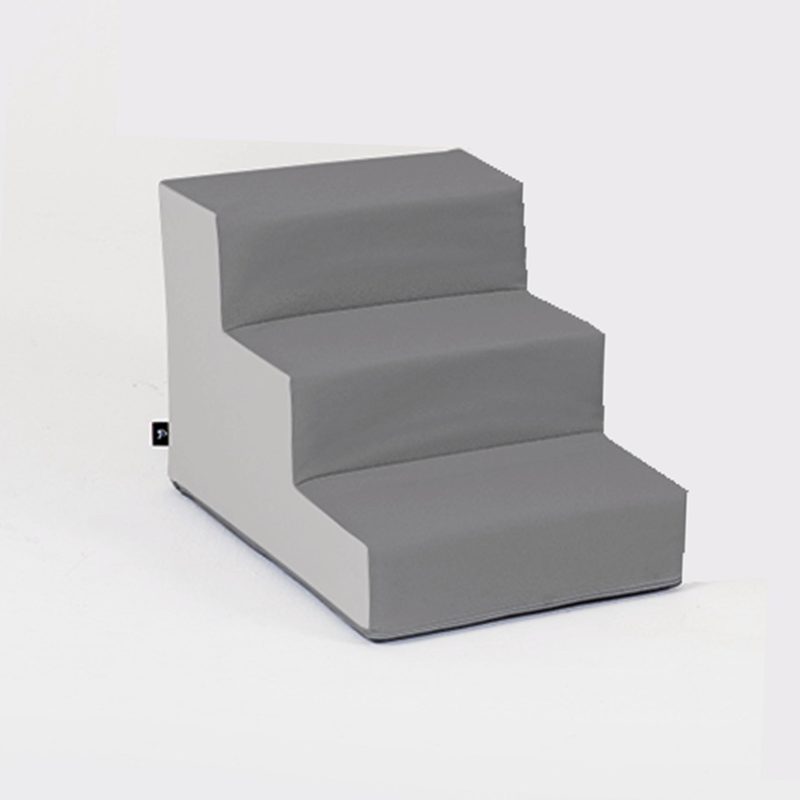
Dogs who once leaped onto the couch or bounded up stairs without hesitation may suddenly pause at the bottom of the stairs or look longingly at the couch without attempting to jump. This behavioral change often indicates pain in the hips, knees, or spine. Providing folding pet stairs can help maintain their access to favorite spots while reducing strain on aging joints.
Sign 3: Changes in Walking Pattern
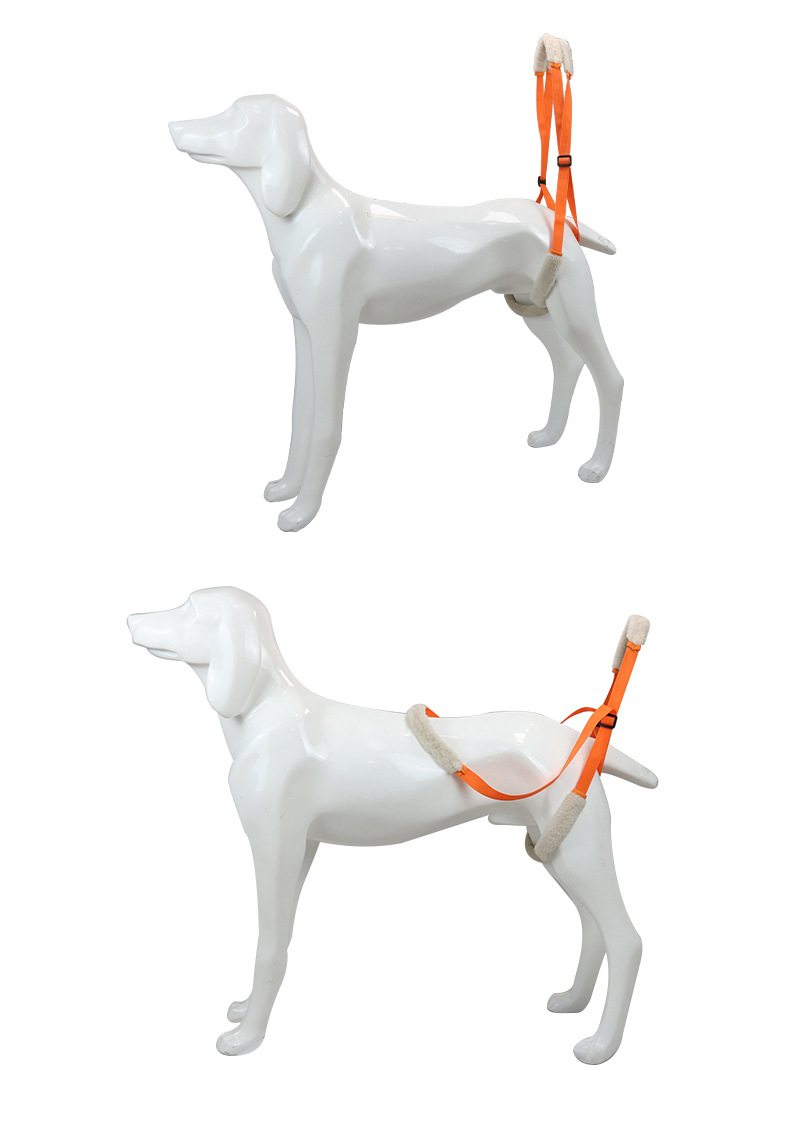
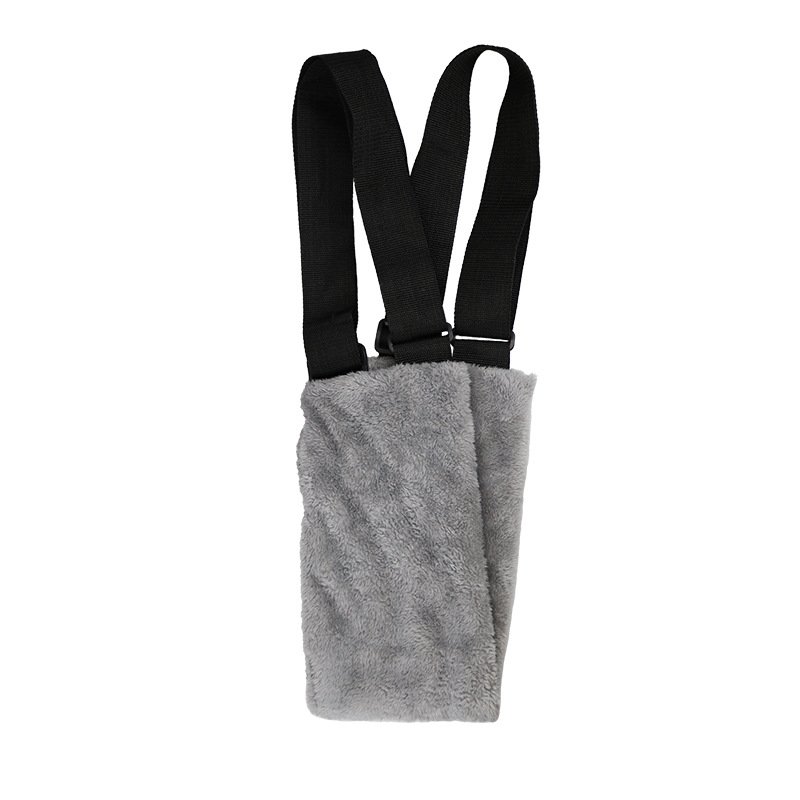
Pay attention to how your dog walks during your regular outings. Senior dogs may develop a shorter stride, walk more slowly, or appear unsteady on their feet. You might notice them slipping on smooth floors or taking wider turns. These changes suggest they're losing confidence in their footing and could benefit from non-slip paw grips or a hind leg support harness for walks.
Sign 4: Decreased Activity Levels
While it's natural for older dogs to slow down somewhat, a dramatic decrease in activity isn't just "normal aging." If your dog is sleeping significantly more, showing less interest in walks, or no longer greeting you at the door, they may be dealing with pain or discomfort that's limiting their willingness to move.
Sign 5: Muscle Loss or Weight Changes
You might notice your dog's hindquarters looking thinner or their spine becoming more prominent. This muscle loss, called sarcopenia, is common in senior dogs and can further compromise joint stability. Conversely, some senior dogs gain weight as their metabolism slows and activity decreases. Both scenarios require attention to diet and supportive care.
Sign 6: Behavioral Changes
Senior dogs may become irritable, anxious, or withdrawn. They might pant excessively, pace at night, or seek out unusual hiding spots. These behavioral changes can indicate pain, cognitive decline, or sensory loss. Extra comfort and routine can help ease anxiety, while veterinary consultation can address underlying medical causes.
Sign 7: Difficulty with Balance
If your dog seems wobbly, crosses their legs while standing, or leans against walls and furniture for support, they're experiencing balance issues. This can stem from weakness, neurological changes, or vestibular problems. Non-slip solutions throughout your home can dramatically improve their confidence and safety.
Sign 8: Changes in Eating or Drinking Habits
Senior dogs may have difficulty bending down to eat or drink, especially if they have neck or back pain. An elevated feeding station can make meals more comfortable. Additionally, changes in appetite or water consumption can signal health issues that warrant veterinary attention.
Sign 9: Accidents in the House
A house-trained dog suddenly having accidents isn't just "getting old." It could indicate urinary tract issues, cognitive decline, or mobility problems that prevent them from getting outside in time. While veterinary care is essential, making it easier for them to access the outdoors with pet stairs or a support harness can help.
Sign 10: Visible Discomfort When Touched
If your dog flinches, whines, or moves away when you touch certain areas of their body, they're experiencing pain. Common sensitive areas include the hips, lower back, and joints. Gentle massage, orthopedic bedding, and veterinary pain management can all help improve their comfort.
How to Help Your Senior Dog
Recognizing these signs is the first step. Here's how you can provide extra support:
Create a Comfortable Environment: Invest in an orthopedic bolster bed, place non-slip mats on smooth floors, and provide ramps to favorite spots. Make sure food and water are easily accessible at an elevated height.
Adjust Exercise Routines: Shorter, more frequent walks are often better than one long walk. Let your dog set the pace and watch for signs of fatigue.
Regular Veterinary Check-ups: Senior dogs should see the vet at least twice a year. Early detection of issues like arthritis, dental disease, or organ changes can significantly improve quality of life.
Consider Supplements: Glucosamine, omega-3 fatty acids, and other joint supplements can support mobility. Always consult your vet before starting new supplements.
Provide Emotional Support: Senior dogs need extra reassurance. Spend quality time together, maintain routines, and be patient with age-related changes.
When to Seek Veterinary Care
While many signs of aging can be managed at home with supportive products and lifestyle adjustments, some symptoms require immediate veterinary attention: sudden inability to walk, severe pain, loss of appetite for more than 24 hours, difficulty breathing, or sudden behavioral changes.
Conclusion
Aging is a natural part of life, but it doesn't mean your dog has to be uncomfortable. By recognizing these ten signs early and providing appropriate support, you can help your senior dog maintain their quality of life and continue enjoying their golden years. Remember, every small change you make to accommodate their needs shows them that they are loved and cared for, no matter their age.
At LoyalBond, we believe every senior dog deserves comfort and dignity. Our products are designed with real-life senior dog needs in mind, using safe, non-toxic materials that you can trust. Explore our Home Safety Collection to find the perfect support solutions for your aging companion. For more on mobility support, see our ultimate guide to senior dog mobility aids.