A good night's sleep is just as important for dogs as it is for humans, and this becomes even more critical as our canine companions age. Senior dogs spend significantly more time resting — often 16 to 18 hours per day — making their sleeping surface one of the most important factors in daily comfort and quality of life. But not all dog beds are created equal, and for senior dogs with mobility challenges, the design of the bed entry point matters just as much as the quality of cushioning inside.
The Hidden Challenge of Traditional Dog Beds
Most traditional dog beds feature high sides or elevated rims designed to create a cozy, enclosed feeling. While this aesthetic works well for young, agile dogs who can hop in and out effortlessly, it becomes a significant barrier for senior dogs with mobility challenges.
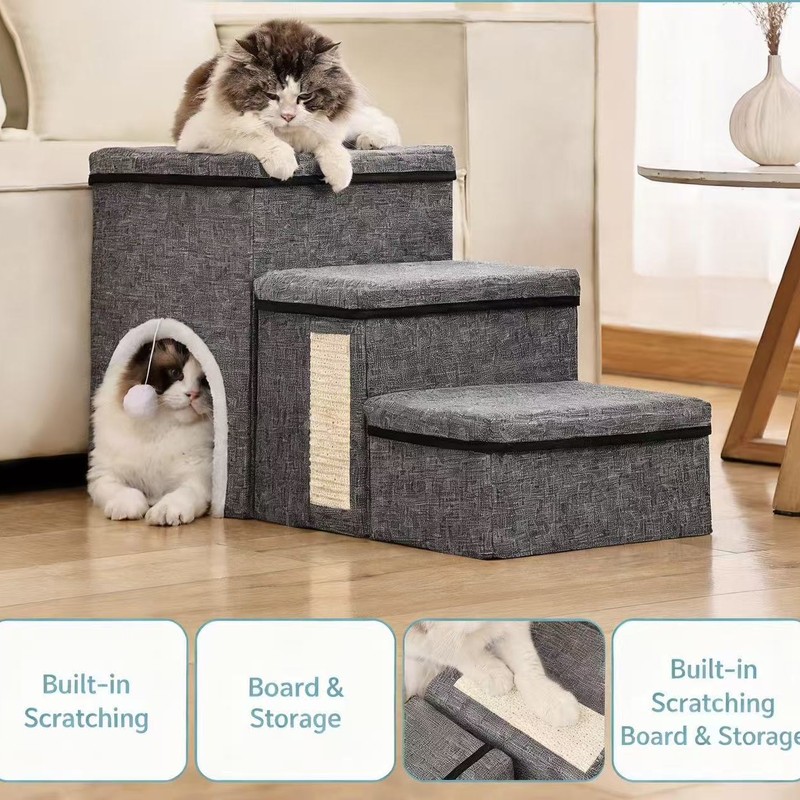
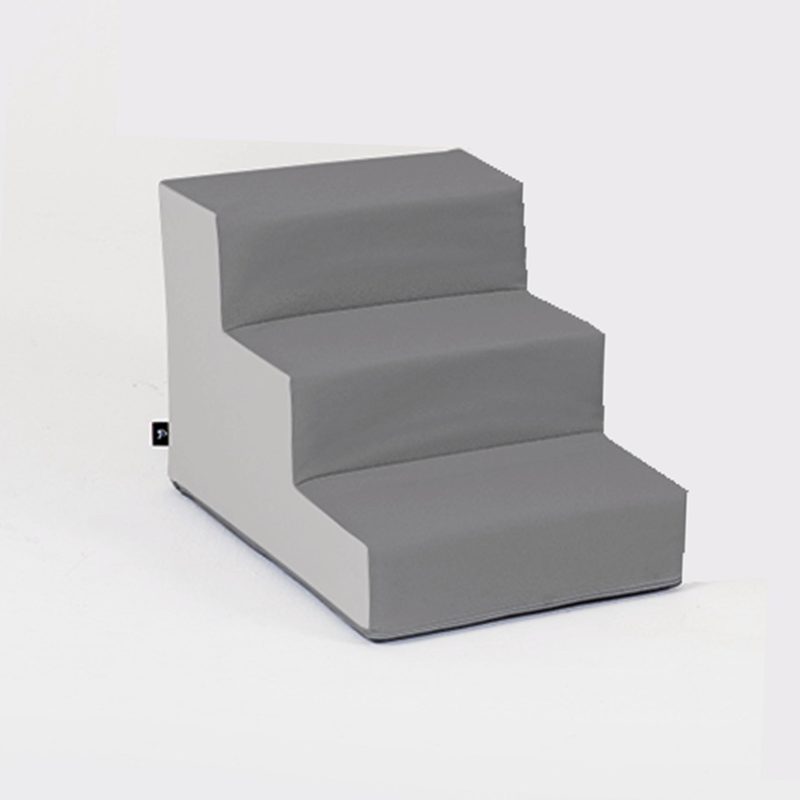
Imagine being stiff and sore, and having to climb over a six-inch wall just to lie down. For a senior dog with weak hind legs, hip stiffness, or general joint discomfort, this daily struggle. Folding pet stairs can also help dogs access elevated resting spots safely. adds unnecessary stress to already compromised joints. Over time, dogs may start avoiding their beds altogether, choosing harder but more accessible surfaces like bare floors — which only compounds their discomfort.
This is where low-entry orthopedic beds make a meaningful difference.
What Makes a Bed "Low-Entry"
A low-entry dog bed features a significantly reduced side height at the entry point, allowing dogs to step in and out without having to climb or jump. The entry height is typically just one to two inches — low enough that even dogs with severe mobility limitations can navigate it independently.
The key distinction is that a low-entry bed maintains supportive bolsters on the other sides for comfort and security, while providing easy access where the dog needs to enter. This thoughtful design addresses both the accessibility challenge and the comfort needs of senior dogs.
The Importance of Independence
One of the most overlooked aspects of senior dog care is maintaining their sense of independence. Dogs who can access their bed without assistance maintain confidence and dignity. They are not dependent on being lifted or helped every time they want to rest.
This independence matters psychologically as well as physically. Dogs who can move freely between resting positions and access their bed when needed tend to remain more relaxed and settled. They do not develop anxiety around rest time or become reluctant to lie down because they anticipate the struggle of getting back up.
Orthopedic Support: More Than Just Comfort
The "orthopedic" label refers to beds designed with specific supportive properties that benefit joints, muscles, and overall physical comfort. For senior dogs, orthopedic support provides several critical benefits:
Even Weight Distribution
High-density supportive foam distributes your dog's weight evenly across the entire sleeping surface, reducing pressure on vulnerable joints like hips, elbows, and knees. This even distribution prevents the development of pressure points that can lead to discomfort and restlessness.
Joint Support During Rest
Quality orthopedic foam maintains its shape and supportive properties over time, unlike standard polyfill that compresses and flattens. This consistent support helps keep joints in proper alignment during rest, which can reduce morning stiffness and improve overall mobility.
Muscle Recovery
Supportive bedding allows muscles to fully relax during sleep, promoting better recovery between activity periods. This is especially important for senior dogs whose muscles take longer to recover from exertion.
The LoyalBond Orthopedic Bolster Dog Bed: Features That Matter
The LoyalBond Orthopedic Bolster Dog Bed is built with high-density supportive foam that distributes weight evenly to support comfortable rest. Let us examine the key features that make this bed particularly well-suited for senior dogs:
Low-Profile Entry
The low entry allows dogs with weak hind legs, reduced flexibility, or limited mobility to climb in effortlessly without jumping or straining. This is the defining feature that separates a truly senior-friendly bed from a standard orthopedic bed.
Surrounding Bolster
The raised surrounding bolster creates a cozy resting border for head and neck support. It also shields pets from direct cold airflow from air conditioners, making it ideal for year-round use. Many senior dogs prefer to lean against something while resting, and the bolster satisfies this preference perfectly.
Dual-Sided Reversible Mattress
The reversible inner mat features soft plush fleece on one side for warmth during cooler months and breathable oxford fabric on the other for hotter summer days. This versatility means the bed works well regardless of season or your dog's temperature preferences.
Removable Washable Cover
The fully removable outer cover with zipper makes machine washing straightforward — essential for senior dogs who may have occasional accidents or need more frequent cleaning. The cover maintains its shape and softness wash after wash.
Anti-Slip Bottom
The anti-slip bottom keeps the bed stable on slippery tile, vinyl, and wooden floors, preventing dangerous slides when your dog tries to stand up. This safety feature is critical for dogs with balance challenges.
Durable Construction
The scratch-resistant exterior fabric is built for long-term daily use, even from dogs who circle and dig before lying down — a natural instinctive behavior that persists into senior years.
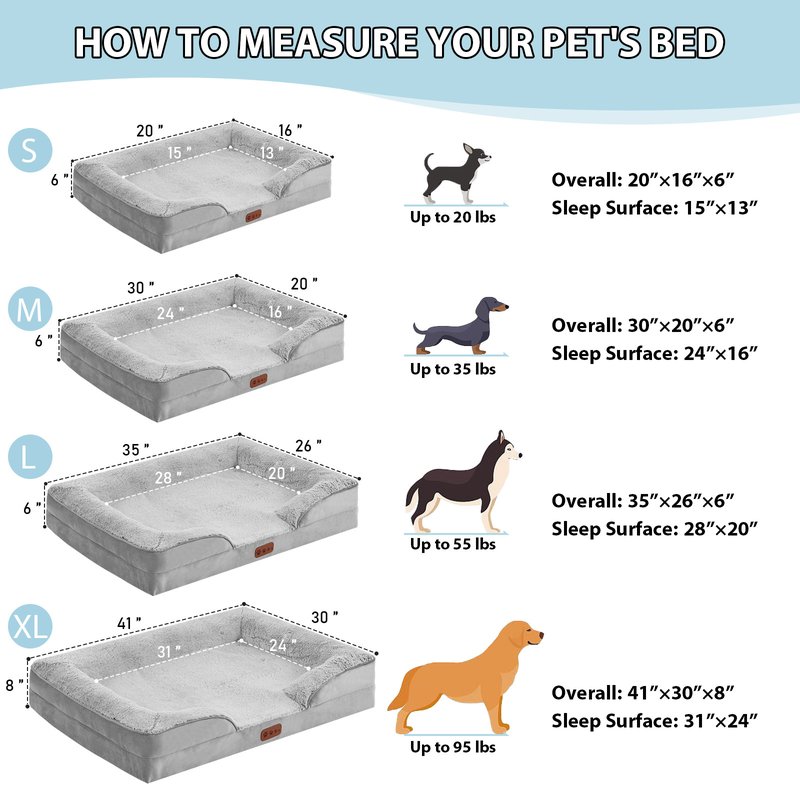
Available in three sizes (S: 60×47×17cm, M: 73×57×18cm, L: 92×72×19cm) and six color options including Dark Gray, Denim Blue, Navy Blue, Olive Green, Peacock Blue, and Yellow. Price range: $14.00–$28.00.
Size Matters: Choosing the Right Fit
An orthopedic bed only works if your dog actually fits on it comfortably. Many dogs end up sleeping partially off their beds because the bed is too small, which defeats the purpose of orthopedic support.
When choosing size, measure your dog from nose to tail base while they are sleeping in their preferred position, then add six to eight inches. For dogs who stretch out, measure their full length including legs extended. When in doubt, size up — a larger bed gives your dog options for changing positions throughout the night.
Placement Strategies for Maximum Benefit
Where you place the bed is as important as the bed itself:
Multiple locations: Place beds in your dog's favorite spots throughout the house. Having options means they will not try to access furniture that may be difficult to get on.
Easy access: Ensure beds are in locations your dog can reach without navigating stairs or crossing slippery floors. If your dog's main living area is on one floor, keep their primary bed there.
Family proximity: Dogs are social animals. Placing the bed where the family spends time helps your senior dog feel included and secure, even when resting.
Away from drafts: Position beds away from direct air conditioning vents, drafty windows, and high-traffic areas where the bed might be bumped or disturbed.
Transitioning to a New Bed
If your dog is used to a different bed, transitioning to a low-entry orthopedic bed may take a little time. Place the new bed next to their old bed for several days so they can investigate it without pressure. You can place a familiar blanket or toy on the new bed to encourage exploration. Most dogs quickly appreciate the easier access and superior comfort.
Daily Care and Maintenance
To keep your orthopedic bed in optimal condition, wash the cover weekly in pet-safe detergent. Spot clean the foam as needed but avoid machine washing the foam itself. Rotate the inner mattress periodically to ensure even wear. Air out the bed regularly by placing it in a well-ventilated area for a few hours to prevent moisture buildup.
Signs It Is Time to Replace the Bed
Even the highest quality beds eventually need replacement. Watch for these signs: the foam no longer springs back after compression, visible flattening or permanent indentations, your dog seems less comfortable or restless during sleep, or the cover shows significant wear despite regular washing. Most quality orthopedic beds last three to five years with proper care.
Conclusion
A low-entry orthopedic bed addresses the unique challenges that senior dogs face: mobility limitations, joint stiffness, temperature sensitivity, and the need for consistent, supportive rest. The combination of easy access, high-density foam support, surrounding bolsters, and thoughtful design features creates a resting environment that helps your aging companion maintain comfort, independence, and quality of life.
The investment in a quality orthopedic bed pays dividends in your dog's daily comfort, morning mobility, and overall wellbeing. Every night of supportive rest contributes to better days.
At LoyalBond, our Orthopedic Bolster Dog Bed is engineered specifically for the needs of aging dogs, with low entry design, high-density supportive foam, dual-season fabric options, and all the features senior dogs need for restful, restorative sleep. Explore our Home Safety Collection to find the perfect bed for your loyal companion. Learn more about choosing the right bed in our orthopedic bed buying guide.