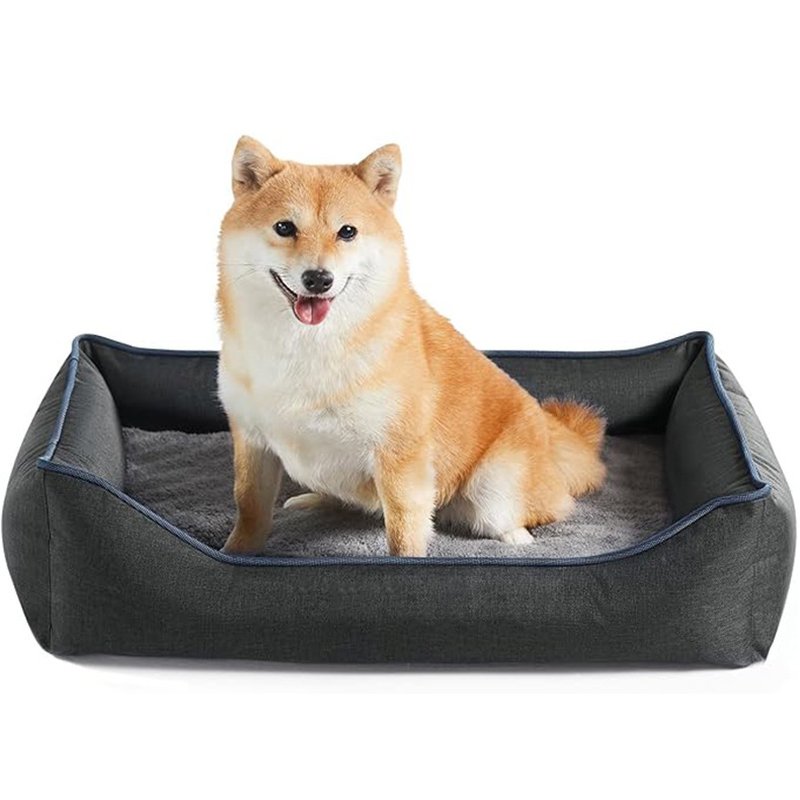
A good orthopedic bolster bed is one of the most impactful investments you can make for your senior dog's quality of life. The right bed can reduce joint discomfort, improve sleep quality, ease morning stiffness, and even help prevent the development of painful pressure sores. But with so many options on the market, choosing the right one requires understanding your dog's specific needs.
Why Orthopedic Beds Matter for Senior Dogs
Senior dogs spend significantly more time lying down than younger dogs. A dog who once slept 12 hours a day may spend 16-18 hours resting in their senior years. That means the quality of their sleeping surface has an enormous impact on their overall health and comfort.
Standard dog beds often flatten quickly, providing inadequate support that can actually worsen joint discomfort and create pressure points. Orthopedic beds, designed with supportive materials that maintain their shape and provide even weight distribution, address these issues directly.
Understanding Orthopedic Bed Materials
Memory Foam
Memory foam is the gold standard for orthopedic pet beds. This material was originally developed by NASA to cushion astronauts during launch, and its pressure-relieving properties translate perfectly to pet bedding.
Benefits:
- Contours to the dog's body shape
- Distributes weight evenly, reducing pressure on joints
- Maintains supportive shape over time
- Reduces tossing and turning for more restful sleep
What to Look For:
- High-density foam (at least 4 lbs per cubic foot)
- Minimum 4 inches thickness for medium to large dogs
- Certifications like CertiPUR-US for foam quality
Avoid:
- Thin foam that compresses quickly
- "Egg crate" foam as the primary support layer
- Foam that doesn't specify density
Egg Crate Foam
Often marketed as orthopedic, egg crate foam provides some pressure relief but lacks the support of solid memory foam. It can work as a comfort layer on top of a solid foam base but shouldn't be the primary support material for dogs with significant joint issues.
Polyfill and Fiber Fill
These materials are found in budget beds and provide softness but minimal support. They compress quickly and offer little benefit for dogs with joint discomfort. They may be suitable for young, healthy dogs but aren't true orthopedic solutions.
Choosing the Right Size
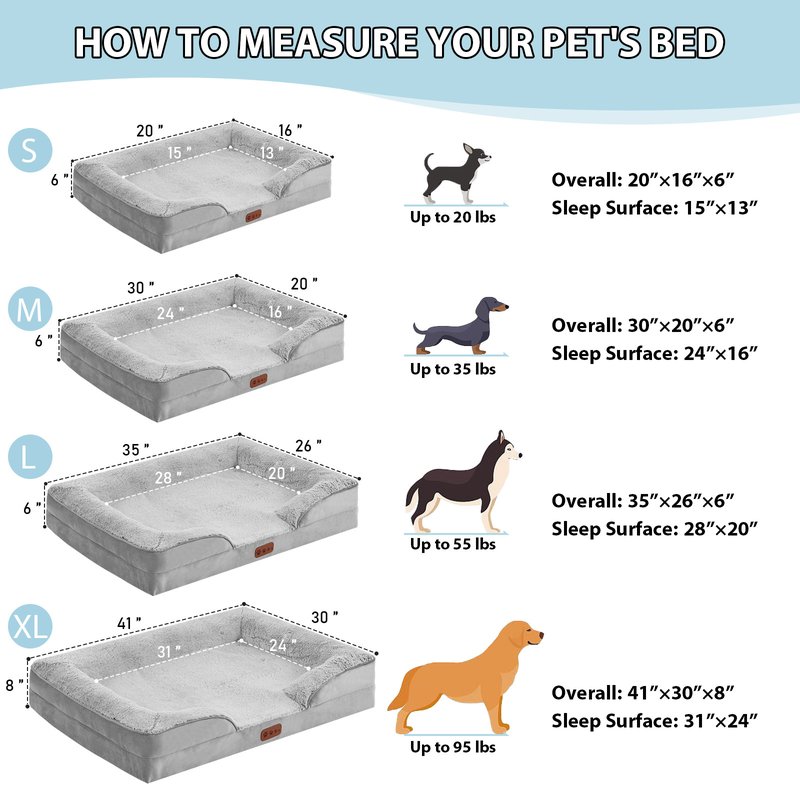
An orthopedic bed only works if your dog actually fits on it. Many dogs end up sleeping partially off their beds because the bed is too small.
How to Measure:
1. Measure your dog from nose to tail base while they're sleeping in their preferred position
2. Add 6-8 inches to this measurement
3. For dogs who stretch out, measure their full length including legs extended
Size Guidelines:
- Small dogs (under 25 lbs): 24-30 inch beds
- Medium dogs (25-60 lbs): 36 inch beds
- Large dogs (60-90 lbs): 44 inch beds
- Giant breeds (90+ lbs): 52+ inch beds
Pro Tip: When in doubt, size up. A larger bed gives your dog options for stretching out, curling up, or changing positions throughout the night.
Considering Sleeping Styles
Dogs have individual sleeping preferences that should influence your bed choice:
Curlers
Dogs who sleep curled in a ball do well with bolster beds that provide a sense of security and a place to rest their head. The raised edges also provide support for the head and neck.
Sprawlers
Dogs who sleep stretched out need flat, spacious beds without high edges that might create uncomfortable pressure points. Rectangle-shaped beds work best.
Leaners
Some dogs prefer to lean against something while sleeping. Bolster beds or beds placed against a wall satisfy this preference.
Nesters
Dogs who circle and dig before lying down appreciate beds with loose, adjustable bedding material they can arrange to their liking.
Special Health Considerations
Arthritis and Joint Pain
For dogs with arthritis, look for:
- Thick, high-density memory foam
- Low-profile entry for easy access
- Heated options for additional joint soothing
- Non-slip bottom to prevent the bed from shifting
Incontinence
For dogs with age-related incontinence:
- Waterproof inner liner to protect the foam
- Removable, machine washable cover
- Consider having a backup cover for quick changes
Anxiety
For anxious senior dogs:
- Bolster beds that provide a sense of enclosure
- Beds with your dog's familiar scent
- Consider placing the bed in your bedroom for reassurance
Temperature Sensitivity
For dogs who struggle with temperature regulation:
- Cooling gel-infused memory foam for hot sleepers
- Heated beds for dogs who get cold easily
- Beds placed away from drafts and direct sunlight
Placement Matters
Where you put the bed is as important as what bed you choose:
Multiple Locations: Place beds in your dog's favorite spots. Having options means they won't try to access furniture that may be difficult to get on.
Easy Access: Ensure the bed is in a location your dog can reach without navigating stairs or slippery floors.
Family Proximity: Dogs are social animals. Placing the bed where the family spends time helps your senior dog feel included and secure.
Stable Environment: Avoid high-traffic areas where the bed might be bumped or disturbed.
Maintenance and Longevity
A quality orthopedic bed is an investment. Protect that investment with proper maintenance:
Regular Washing: Wash the cover weekly in pet-safe detergent. Clean bedding prevents skin issues and keeps the bed fresh.
Foam Care: Don't machine wash foam. Spot clean as needed and air out regularly. A waterproof inner liner protects foam from accidents.
Rotation: Rotate the foam periodically to ensure even wear and extend the bed's life.
Replacement Signs: Replace the bed when the foam no longer springs back after compression, your dog seems less comfortable, or you notice visible flattening.
Budget Considerations
Quality orthopedic beds range from $40 to $150+ depending on size and features. While the investment may seem significant, consider:
- The bed's impact on your dog's daily comfort and mobility
- Potential reduction in veterinary costs for joint issues
- The bed's expected lifespan (quality beds last 3-5 years)
- The value of your dog's quality of life
A well-made bed that costs $60 and lasts 4 years works out to less than $1.25 per month for dramatically improved comfort.
The LoyalBond Orthopedic Bolster Dog Bed
The LoyalBond Orthopedic Memory Foam Bed addresses all the key considerations discussed in this guide:
- 4-inch high-density memory foam for optimal support
- Bolstered edges for security and head support
- Low-profile entry for easy access by stiff dogs
- Waterproof inner liner for accident protection
- Removable, machine washable cover
- Non-slip bottom for stability
- Available in four sizes from small to XL
- Made with non-toxic, pet-safe materials
Conclusion
Choosing the right orthopedic bed for your senior dog requires considering their size, sleeping style, health needs, and your home environment. The investment in a quality bed pays dividends in your dog's comfort, mobility, and overall quality of life.
Remember, the best bed is one your dog actually uses. Observe their preferences, be willing to try different options, and prioritize support over softness. Your senior dog's body will thank you with better sleep, easier mornings, and more comfortable days.
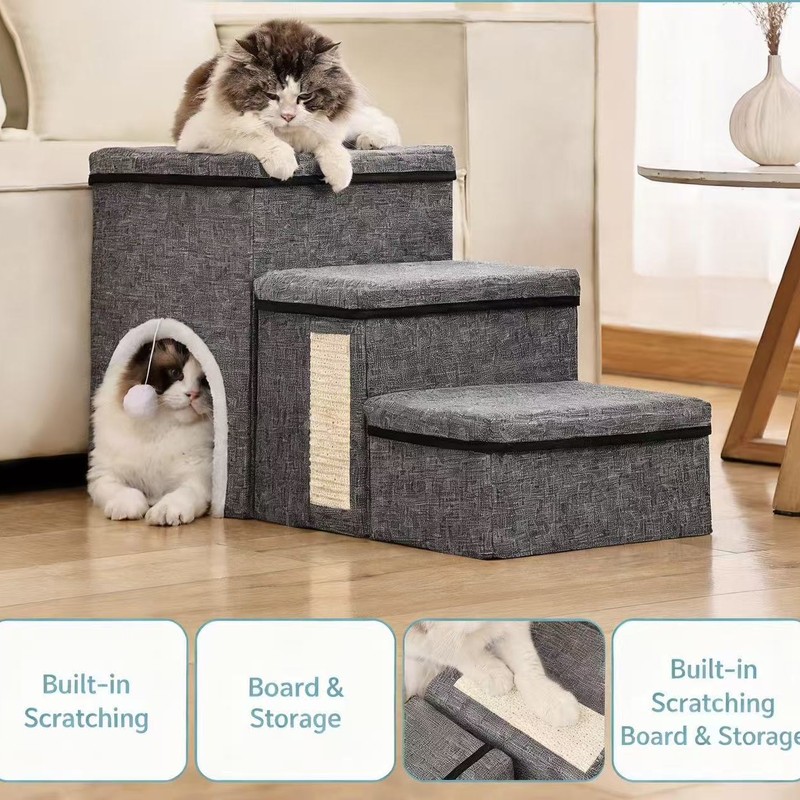
At LoyalBond, we've poured extensive research into creating the ideal orthopedic bed for senior dogs. Every detail, from the foam density to the bolster height, has been designed with aging dogs' needs in mind. Explore our Home Safety Collection to find the perfect bed for your loyal companion. For dogs who need help accessing their bed, see our guide on folding pet stairs.