# Halloween with a Senior Dog: Safety & Calm Guide
For a young, confident dog Halloween is an adventure. For an older dog it is often the opposite — a long evening of sudden doorbells, strange costumes, raised voices, a crowded porch and a steady stream of strangers crossing the threshold. On top of that, the night brings real household hazards: chocolate, xylitol-sweetened candy, lit candles, glow sticks and costumes with small chewable parts.
A senior dog may have fading hearing and vision, stiff joints, mild cognitive changes and a lower tolerance for disruption. The goal on October 31 is not to include your dog in every part of the holiday. It is to keep him safe, give him a quiet retreat and make sure the front door never becomes an escape route. This guide walks through the biggest risks and a simple plan for a calm night.
Why Halloween is harder for older dogs
A few age-related changes make Halloween more stressful and more physically risky:
- Sensory decline. Dimmer vision and poorer hearing make sudden knocks, flashing lights and costumed guests unpredictable rather than exciting. A dog who cannot clearly identify a person may bark, freeze or back away.
- Reduced mobility. Stiff, arthritic joints make repeated trips to the door, slippery porches and crowded pathways harder to navigate and easier to fall on.
- Cognitive changes. A dog with age-related cognitive decline may be more easily confused by disrupted routines and may pace, pant or settle poorly at night.
- Weaker bladder and thirst control. A long evening with a shifted dinner and bedtime can lead to accidents or dehydration.
Knowing this, the kindest plan is to protect your dog's routine, control the front door and remove hazards before the first trick-or-treater arrives.
1. Candy: the two ingredients that matter most
The single biggest medical risk on Halloween is candy, and two ingredients deserve special attention.
Chocolate contains theobromine and caffeine, which dogs cannot metabolize well. Dark chocolate and baking chocolate are the most concentrated, but any chocolate — especially in a small older dog — can cause vomiting, restlessness, rapid heart rate, tremors or seizures. Wrapped mini bars dropped by children or snatched from a low bowl are the usual source.
Xylitol, a sugar substitute found in some sugar-free gum, candies and peanut butter, can cause a dangerous drop in blood sugar and liver damage even in small amounts. A dog does not need to eat a whole bag; a single pack of gum can be significant.
Practical steps:
- Keep the candy bowl on a counter or shelf, never on the floor, a low table or the arm of a sofa.
- Remind children not to share candy and to pick up dropped wrappers immediately.
- Watch discarded wrappers too — foil and plastic can cause intestinal blockage if swallowed.
- If you suspect your dog has eaten chocolate, xylitol gum or anything unknown, contact your veterinarian or an animal poison line right away; have the wrapper and an estimate of the amount ready. Do not wait for symptoms.
A safe alternative for the humans' sake: keep a jar of dog-appropriate treats aside so you can reward calm behavior without raiding the Halloween candy.
2. Control the front door before the night starts
For many senior dogs the front door is the most dangerous spot in the house. Every ring produces a burst of excitement, and a dog with sore joints or poor balance can slip on a smooth entryway or bolt into the dark.
A simple setup removes most of the risk:
- Set up a back-stage gate or pen a few metres from the door so your dog can see the household but cannot reach the threshold. A baby gate across a hallway works well.
- Use a leash for the first few visitors if your dog tends to rush, or keep him in a quiet room during peak hours.
- Double-check ID. Make sure your dog wears a collar with an up-to-date tag and, ideally, a microchip with a current phone number, just in case.
- Keep the entryway dry and clear. Wet costumes, leaves and spilled drinks make hard floors slippery, which is especially hard on stiff hind legs.
If your dog already struggles on slick floors, a small runner or mat by the door gives him traction. You can read more about this in our guide to [solutions for an older dog slipping on smooth floors](/blog/old-dog-slipping-floors-anti-slip-solutions).
3. Build a quiet retreat away from the door
Not every dog wants to greet. For a senior dog, a calm retreat is often the kindest "costume" of all.
Choose a quiet room away from the front door, set up his familiar bed, fill a water bowl, and give him something absorbing to do. Close the door or use white noise, a radio or a fan to muffle the doorbell. Dim the lights and keep his usual bedtime as close to normal as possible.
A few comforts that work well:
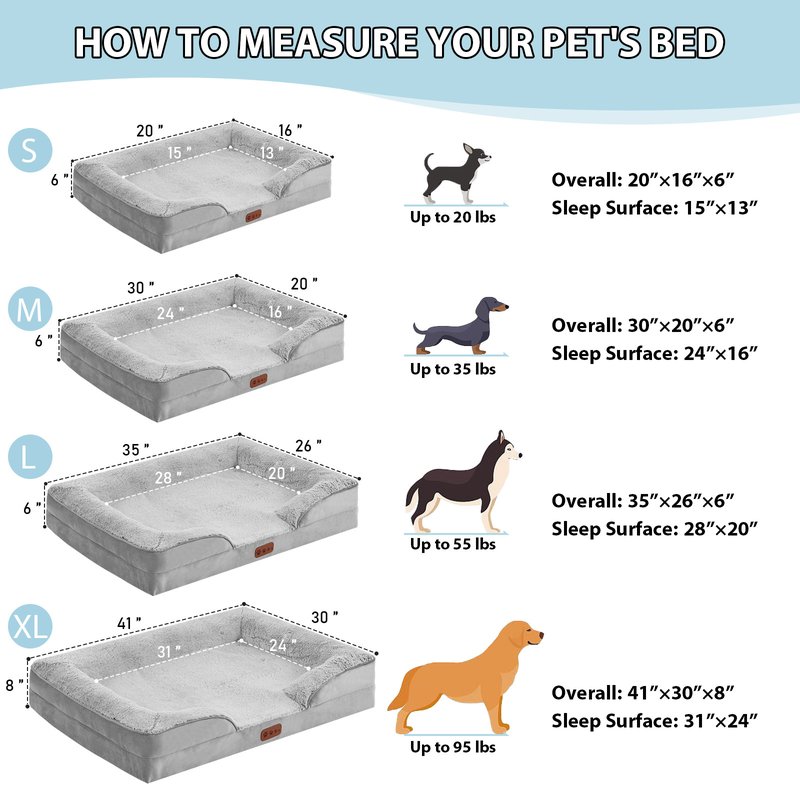
- His own supportive bed in the quiet room — an orthopedic bed with a low, easy entry is easier on old joints. See our [orthopedic dog bed guide](/blog/how-to-choose-the-right-orthopedic-bed-for-your-dog).
- A long-lasting chew or a puzzle feeder so the evening feels rewarding rather than isolating.
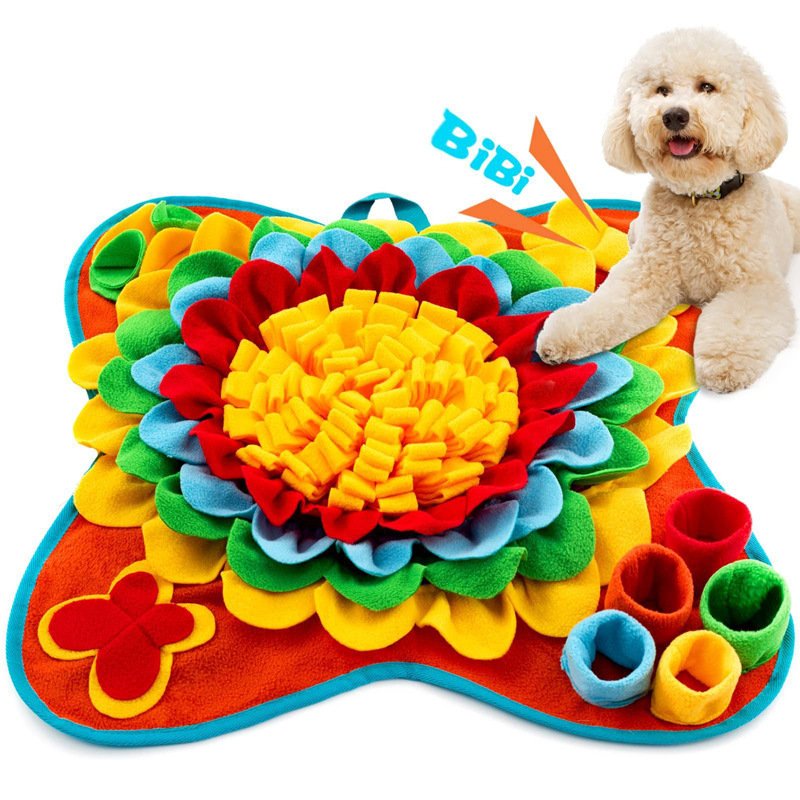
- A [snuffle mat](/products/snuffle-mat-set), which turns a handful of kibble into slow, calming sniff work — sniffing is naturally soothing and keeps an older dog mentally occupied without physical effort.
- Gentle company: sit with him for part of the evening rather than simply shutting him away.
If your dog is in his senior years, our [home grooming and daily-care routine for older dogs](/blog/senior-dog-home-grooming-paws-teeth-bath-routine) has more ideas for low-stress comfort at home.
4. Decorations, candles and costumes
Halloween decor creates a secondary set of hazards that are easy to overlook:
- Lit candles and pumpkins can be knocked over by a wagging tail or unsteady dog; use battery-operated tea lights instead.
- Electrical cords for lights and animated props are a chewing and trialling risk — tuck them away and block access.
- Glow sticks and small props can be punctured or swallowed; keep them out of reach.
- Costumes on the dog are optional. If you dress him up, choose something loose, supervised and free of tight elastic, dangling pieces or anything near the eyes; watch for overheating and remove it if he seems uneasy. Never leave a costumed older dog alone.
Keep walkways clear of decorations and cords so a dog with poor night vision will not trip. If you take him out while it is still busy, a reflective leash and a well-lit route help, and supportive gear can add confidence on uneven ground.
5. Mobility support during a busy, slippery night
Repeated door visits and a chaotic entryway are hard on arthritic hips and weak hind legs. A little support goes a long way:
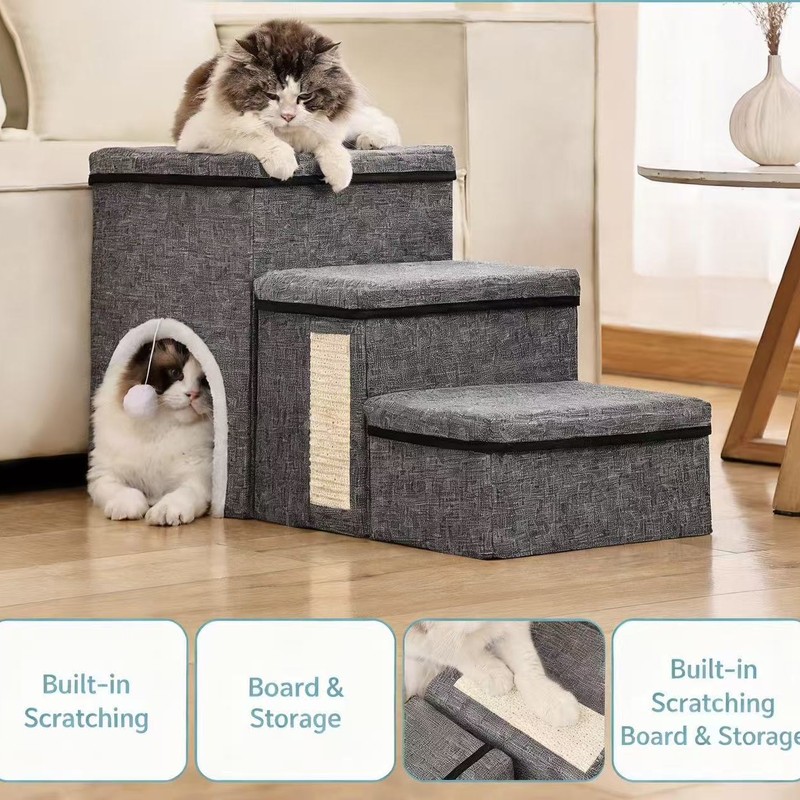
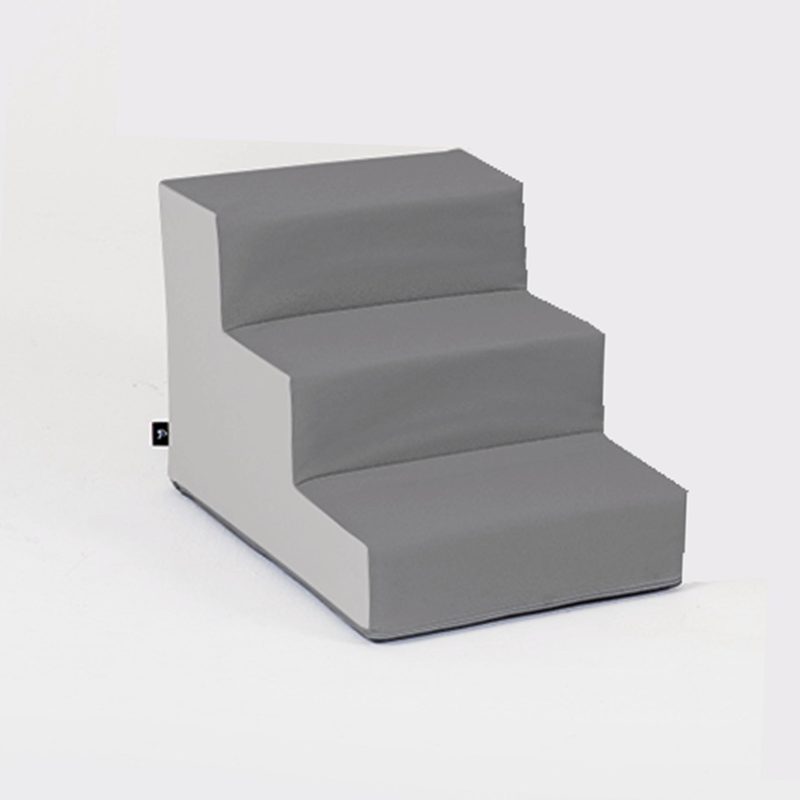
- A [folding pet stair](/products/folding-pet-stairs) helps an older dog reach his favourite sofa or bed without jumping, so he can still settle somewhere familiar during the noise.
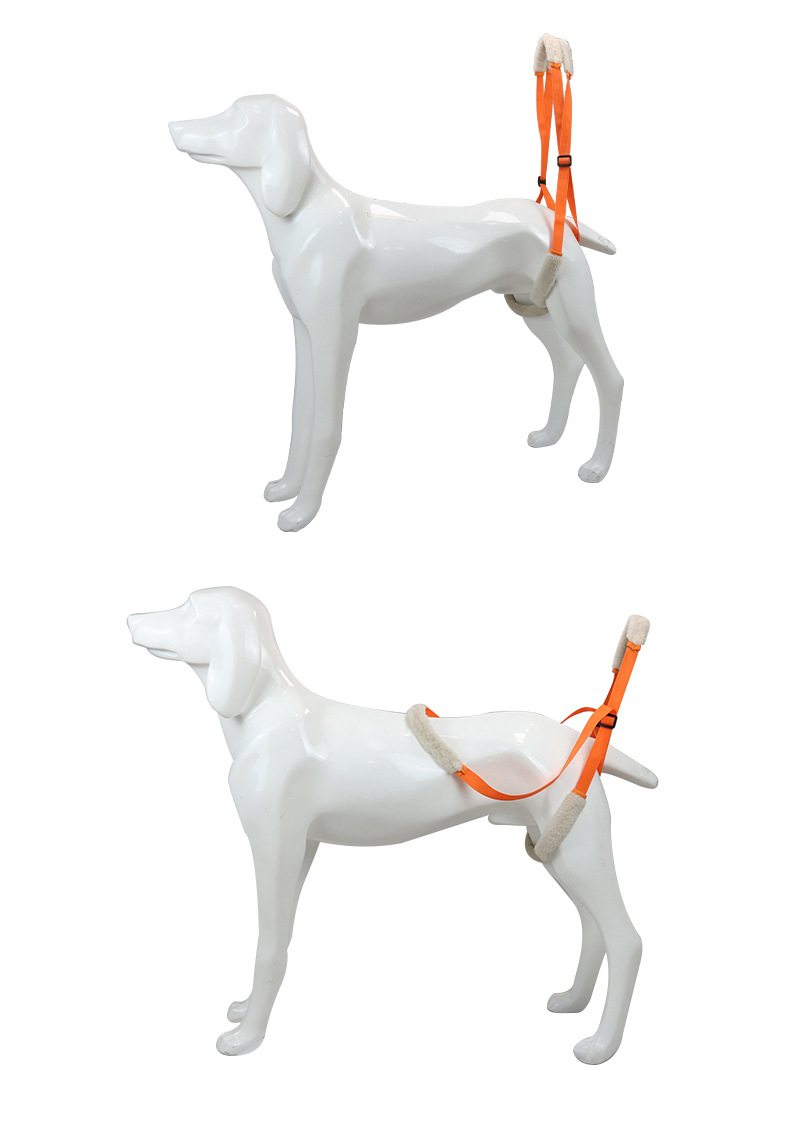
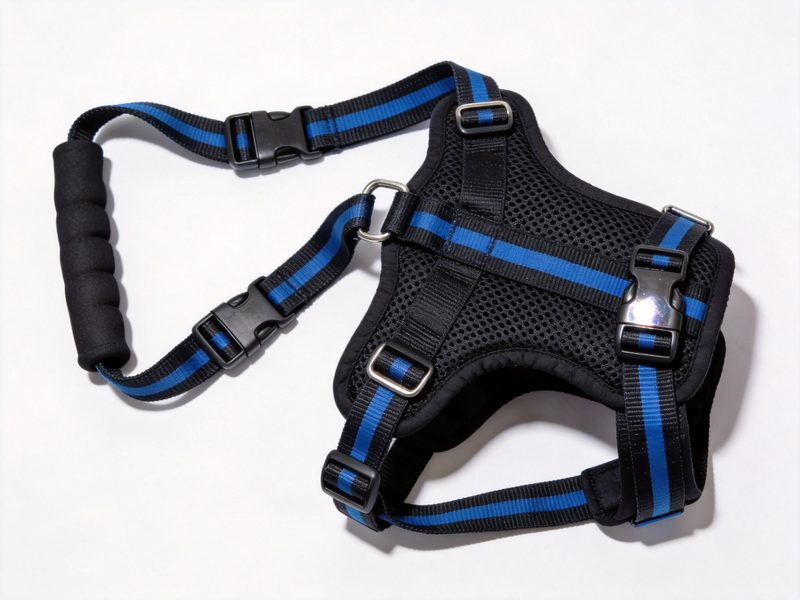
- A [hind-leg support harness](/products/hind-leg-support-harness) lets you steady him on slick floors or down steps without lifting his whole weight.
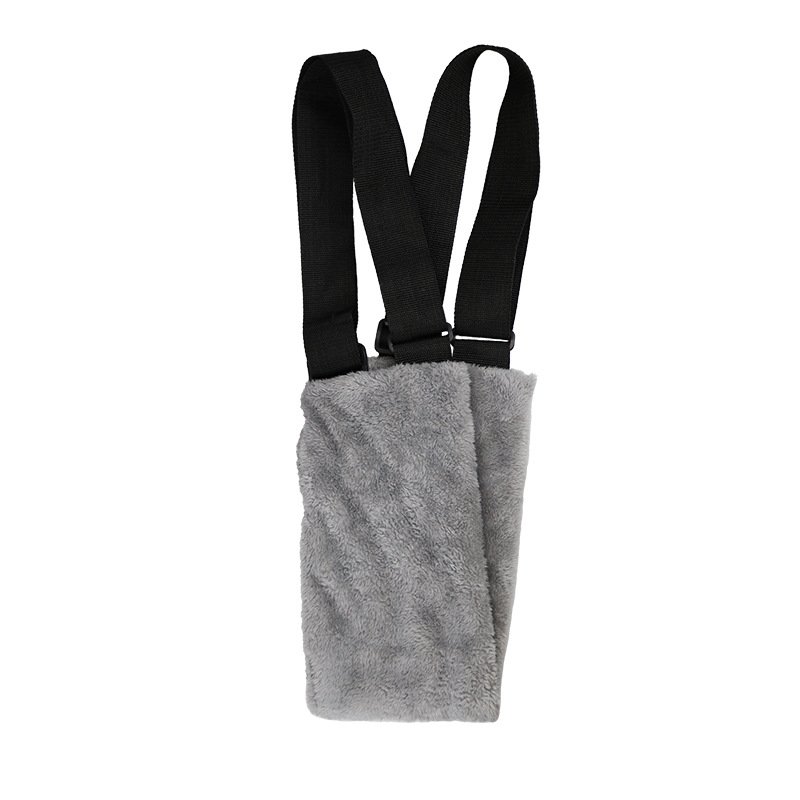
- For dogs who need fuller support, a [mesh support sling](/products/mesh-support-sling) distributes weight comfortably for short walks and last-chance nighttime toilet trips.
Plan a calm, final toilet break before the busiest hours, and choose a quiet, well-lit spot away from costumes and crowds. More on supporting stiff joints is in our [dog arthritis care guide](/blog/dog-arthritis-care-guide).
6. Know the signs of stress — and respond early
Older dogs do not always "get used to" a noisy night, so watch for early warning signs rather than waiting for a reaction: panting, pacing, yawning, lip-licking, tucked tail, flattened ears, whining, hiding, trembling or refusing treats. House-soiling and excessive barking can also be stress signals.
If you see these signs, do not force greetings or photos. Move your dog to the quiet retreat, lower the noise and stay with him until he settles. A calm, predictable environment is far more effective than trying to soothe a dog after he is already overwhelmed. If your dog becomes very distressed, unusually disoriented or will not settle, check with your veterinarian — particularly if this anxiety is new or sudden.
A simple Halloween checklist
A few minutes of prep makes the night manageable:
- Candy, gum and wrappers stored well out of reach
- Gate or pen positioned away from the front door
- Collar tag and microchip details checked
- Quiet room set up with bed, water and a snuffle mat or chew
- Candles replaced with battery lights; cords and props secured
- Supportive harness or sling ready if your dog needs a steadying hand
- Final toilet break planned before peak hours
- Dinner and bedtime kept close to the normal routine
The bottom line
Halloween does not have to be stressful for an older dog. Remove the candy, control the door, give him a quiet retreat with something absorbing to do, and support stiff joints on a busy, slippery night. You get to enjoy the evening, and your senior dog gets exactly what he needs most — safety, calm and his familiar routine.
If you are preparing your home for the wider season ahead, our [senior dog winter care guide](/blog/senior-dog-winter-care-guide) is the natural next read.