A calm grooming routine is one of the kindest things you can build for an older dog. Skin grows drier and more sensitive, paw pads crack more easily, dental buildup accelerates, and a dog who once loved bath time may now find standing, cold water, and handling uncomfortable. The goal is not a perfect show groom; it is a short, predictable routine that keeps an aging dog clean, comfortable, and free of avoidable problems.
This guide organizes senior grooming into three manageable parts: paw care, dental care, and bathing, with the tools, frequency, and gentle handling techniques that make each easier. Soft silicone tools are especially useful here because they clean effectively without scratching delicate older skin and gums.
Make Handling Easier First
Senior dogs groom best when they feel secure and warm. Work on a non-slip surface, keep sessions short, and stop before your dog is tired. Pair every step with a calm voice and a small reward, and never force a joint into an awkward position. Over a few weeks, most older dogs accept handling that once felt stressful, simply because the routine stays the same.
Part 1: Paw Care
Paws take a beating at every age, and older dogs are less able to redistribute their weight away from a sore foot.
- Check pads and nails weekly. Look for cracks, redness, swelling, mats between the toes, and overgrown nails that change how the foot lands.
- Keep nails trimmed. Long nails force an older dog's paw into an unnatural position and add strain already stressed joints.
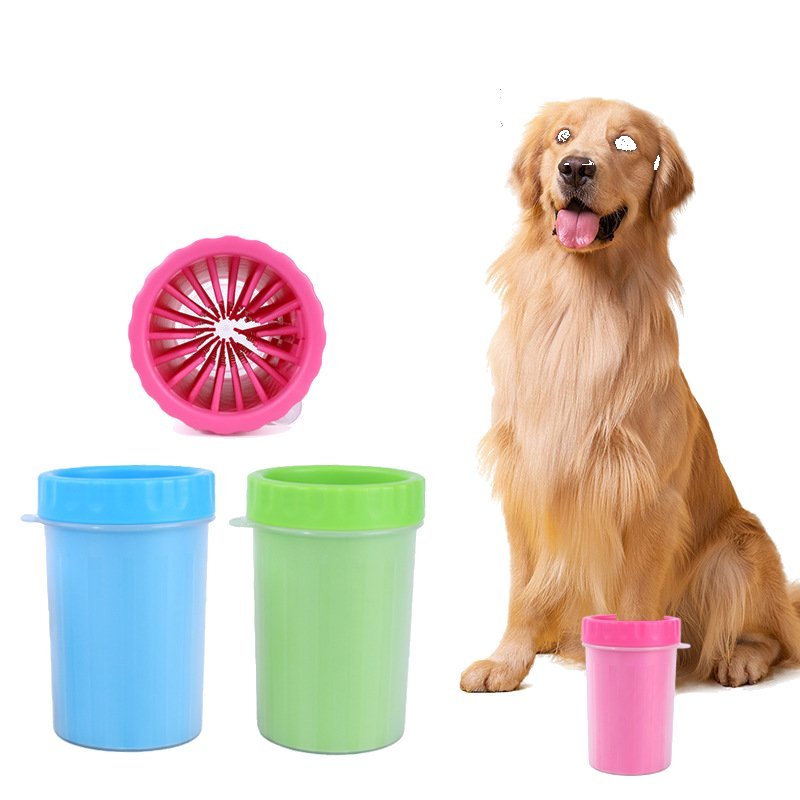
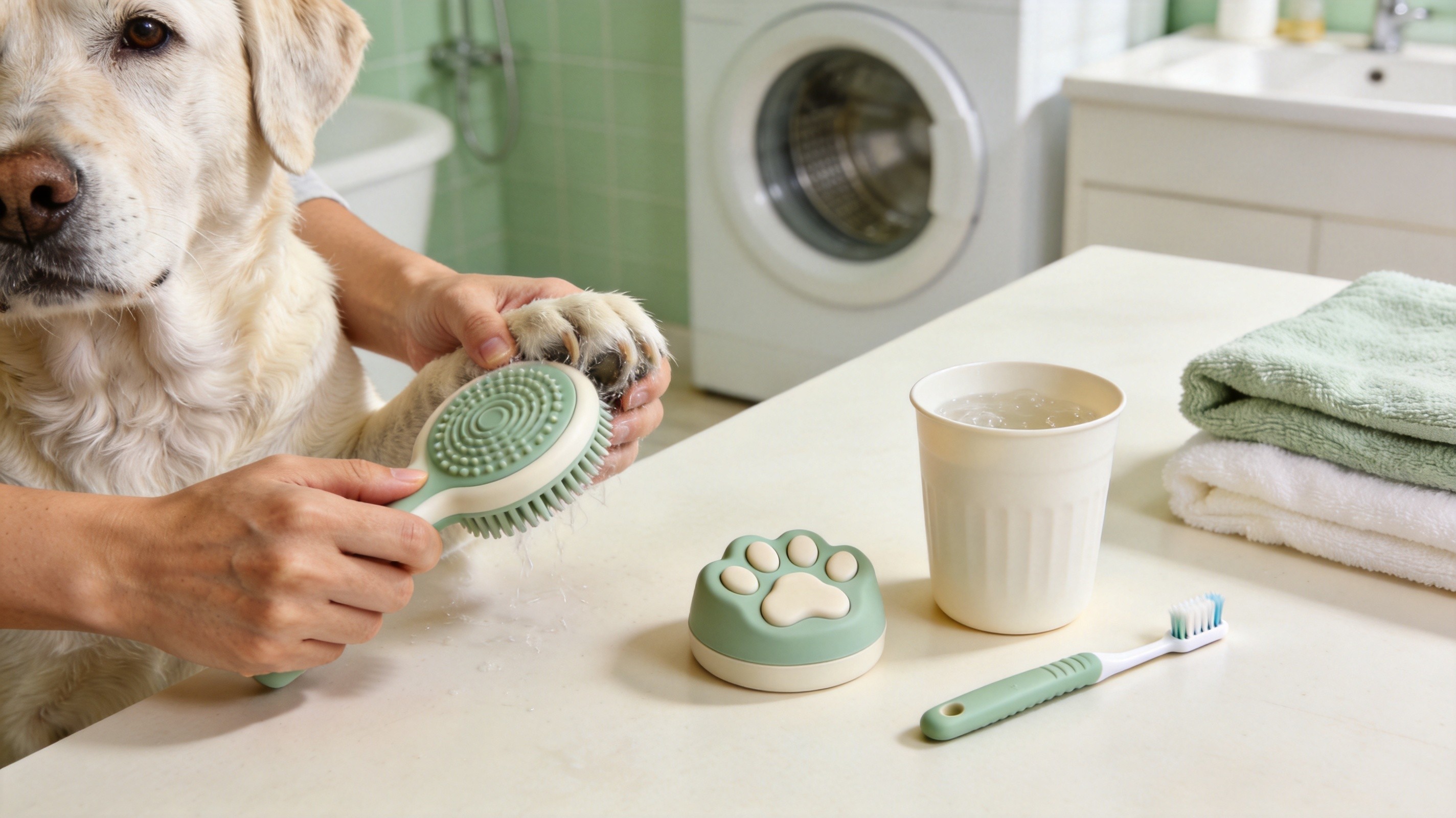
- Clean after walks. Mud, road salt, and winter chemicals irritate pads and are toxic if licked. A [Pet Paw Cleaner Cup](/products/pet-paw-cleaner-cup) with soft silicone bristles cleans a paw quickly with a little warm water, no harsh scrubbing.
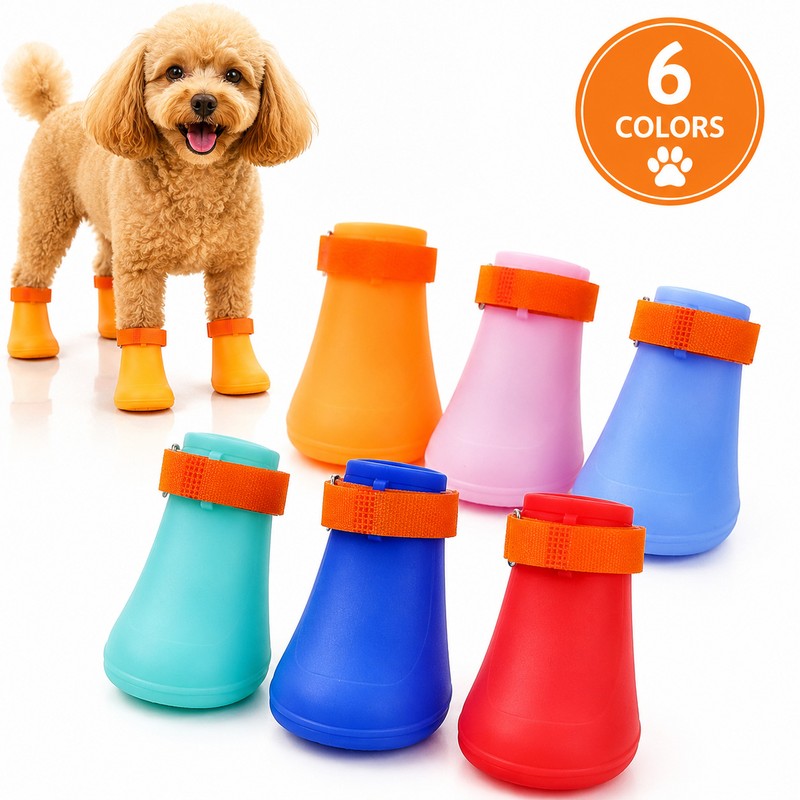
- Protect in winter. Well-fitting [Waterproof Silicone Dog Rain Boots](/products/waterproof-silicone-dog-rain-boots) guard against salt, ice, and sharp hidden snow, while non-slip socks help on slick indoor floors.
A thin layer of pet-safe paw balm soothes dry pads, but always wipe paws before your dog settles in to lick them.
Part 2: Dental Care
Dental problems are quietly common in senior dogs and can affect eating, comfort, and overall health. Daily brushing is the most effective home habit, and starting slowly is far better than not starting at all.
- Use a soft brush designed for dogs and dog-specific toothpaste, never human toothpaste.
- Begin with a few seconds of brushing and plenty of praise, building up over several sessions.
- Focus on the outer surfaces of the back teeth, where buildup collects fastest.
- Watch for bad breath, loose teeth, drooling, dropping food, or reluctance to chew, and mention any of these to your veterinarian, as they can signal disease needing professional care.
Soft silicone or flexible bristles are more forgiving on sensitive gums than stiff nylon, which makes an older dog more willing to accept the routine. Dental chews are not a replacement for brushing, and hard chews can damage aging teeth.
Part 3: Bathing and Brushing
Older dogs generally need fewer baths than puppies, but their coats and skin benefit from gentle, regular attention.
- Brush frequently. Regular brushing removes loose fur, prevents mats, stimulates skin, and lets you spot new lumps or sore spots early.
- Bathe only as needed. Use lukewarm water and a mild, dog-appropriate product; avoid getting water and soap in the ears and eyes.
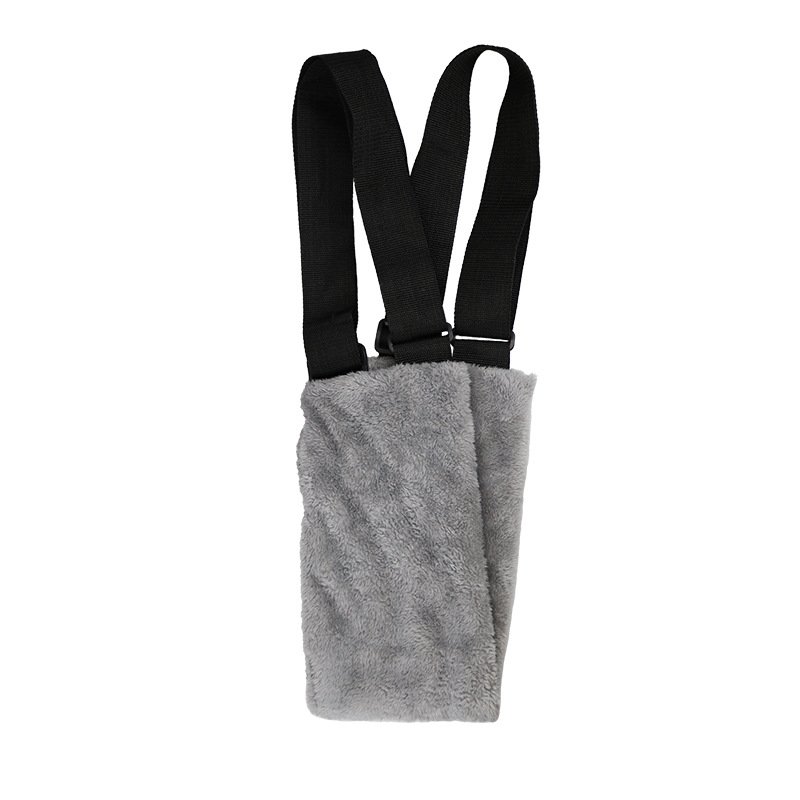
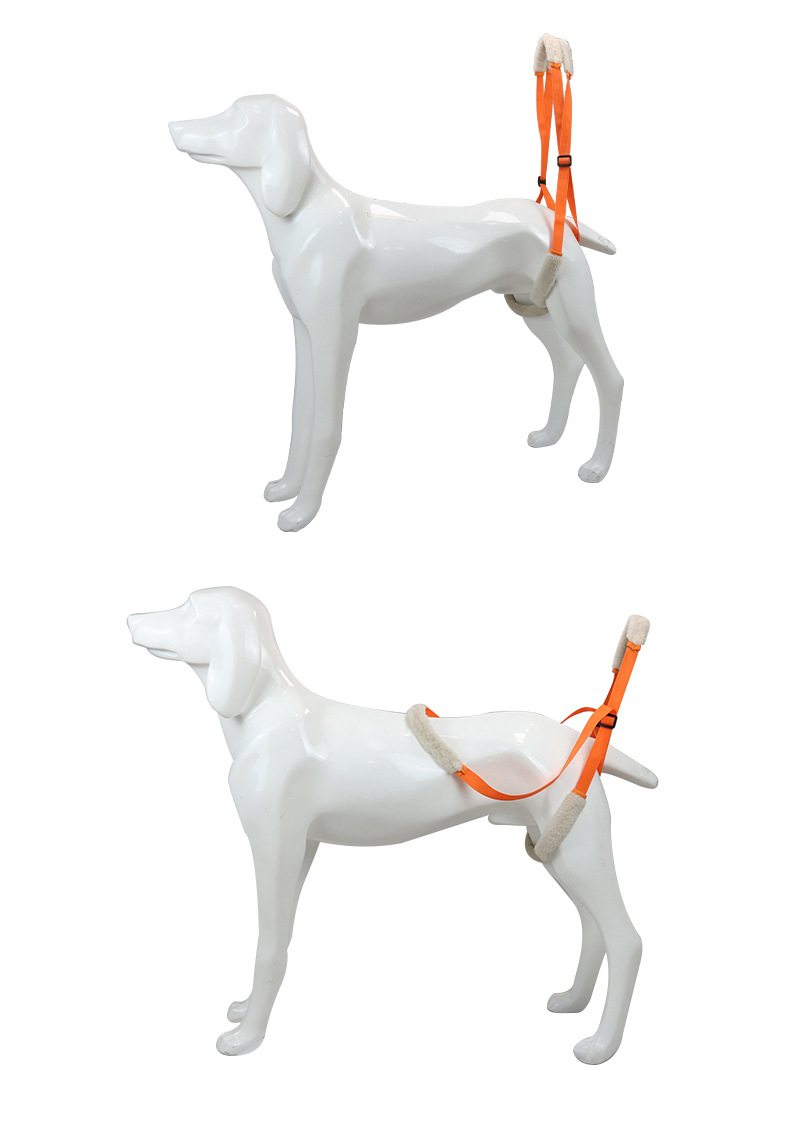
- Support an unsteady dog. A wet dog on a slippery surface is a fall risk. Use a non-slip mat, keep sessions short, and support the hindquarters with a [Lightweight Mesh Support Sling](/products/mesh-support-sling) or a steady hand if standing is difficult.
- Scrub gently and rinse well. A soft silicone bath brush lifts dirt and loose fur while massaging rather than scratching sensitive older skin.
- Dry thoroughly and warmly. Damp skin chills fast, and trapped moisture can irritate folds. A quick-dry absorbent towel and a warm, draft-free spot finish the job.
If bathing at home becomes too hard, a calm mobile or low-stress groomer is a reasonable choice; tell them about your dog's age, stiff joints, and any health conditions.
Build a Weekly Routine
A simple rhythm keeps grooming manageable:
- Daily: a short dental brushing, even briefly
- A few times a week: coat brushing and a quick paw check
- After every walk: wipe or clean the paws
- As needed: a short, warm bath followed by thorough drying
Keep the tools in one place so the routine is easy to start: paw cleaner, soft brush, toothbrush, and absorbent towels.
When to Ask for Help
Talk to your veterinarian if you notice bleeding or swollen gums, loose teeth, refusing food, cracked or bleeding pads, persistent limping, skin odor or redness, or new growths. Older dogs benefit from professional dental and skin assessment as part of regular senior care.
With short sessions, soft tools, and a predictable rhythm, grooming stops being a struggle and becomes a quiet weekly way to keep an old dog comfortable and close.
Related Articles
- [Post-Bath Care for Senior Dogs: Quick-Dry Towel Guide](/blog/post-bath-care-senior-dogs-quick-dry-towel-guide)
- [Dog Rain Boots: The Complete Guide to Waterproof Paw Protection](/blog/dog-rain-boots-complete-guide)
- [Helping Your Dog with Arthritis: A Complete Care Guide](/blog/dog-arthritis-care-guide)