Cold weather is hard on every dog, but it is hardest on the oldest ones. A senior dog carries less muscle and body fat, moves with stiffer joints, regulates temperature less efficiently, and often thinks a little more slowly around hazards like ice and de-icing salt. A young dog may greet the first frost with a sprint; an older dog may simply refuse to leave the porch.
The good news is that winter is manageable with a short list of practical adjustments covering warmth, traction, paw protection, indoor safety, and joint care. This guide walks through each, with the specific products and habits that make the cold months safer and more comfortable for an aging dog.
Why Senior Dogs Feel the Cold More
Several age-related changes stack up at once:
- Less natural insulation. Muscle mass and body condition tend to decline with age, leaving less padding against the cold.
- Slower circulation and metabolism. An older dog generates and conserves heat less effectively.
- Arthritis and stiff joints. Cold increases discomfort in hips, elbows, and spine, and cold muscles are more prone to strain.
- Thinner, drier skin and paw pads. More vulnerable to cracking, ice, and chemical irritants.
- Slower reflexes and weaker senses. Hearing, vision, and reaction time can dull, making icy paths and roads genuinely dangerous.
If your dog is very old, very thin, short-coated, or managing arthritis, heart disease, or kidney disease, treat cold weather with extra caution and check with your veterinarian about any changes in tolerance.
Keep Them Warm Without Overheating Indoors
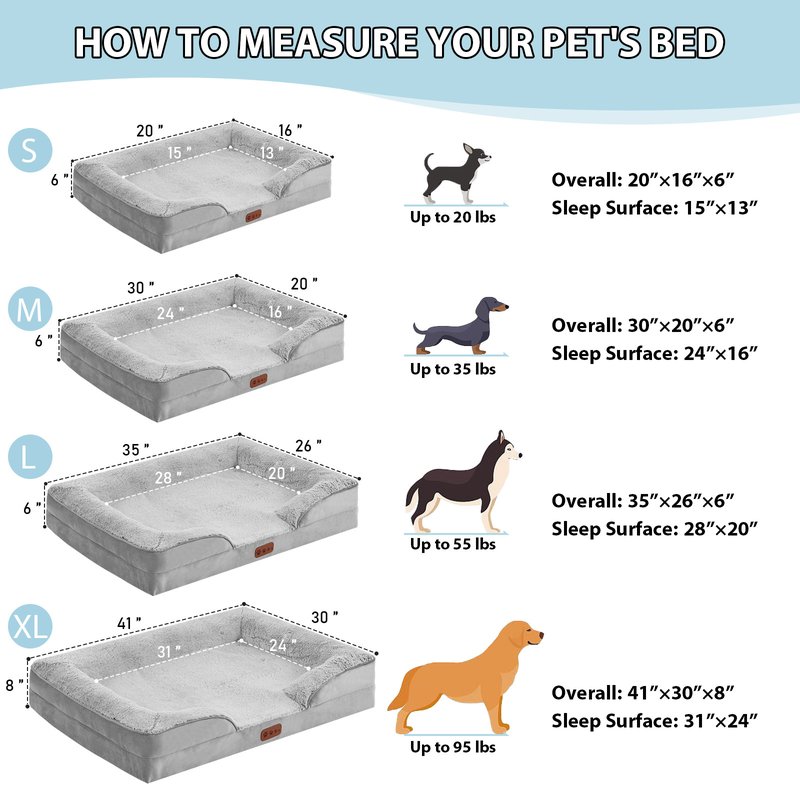
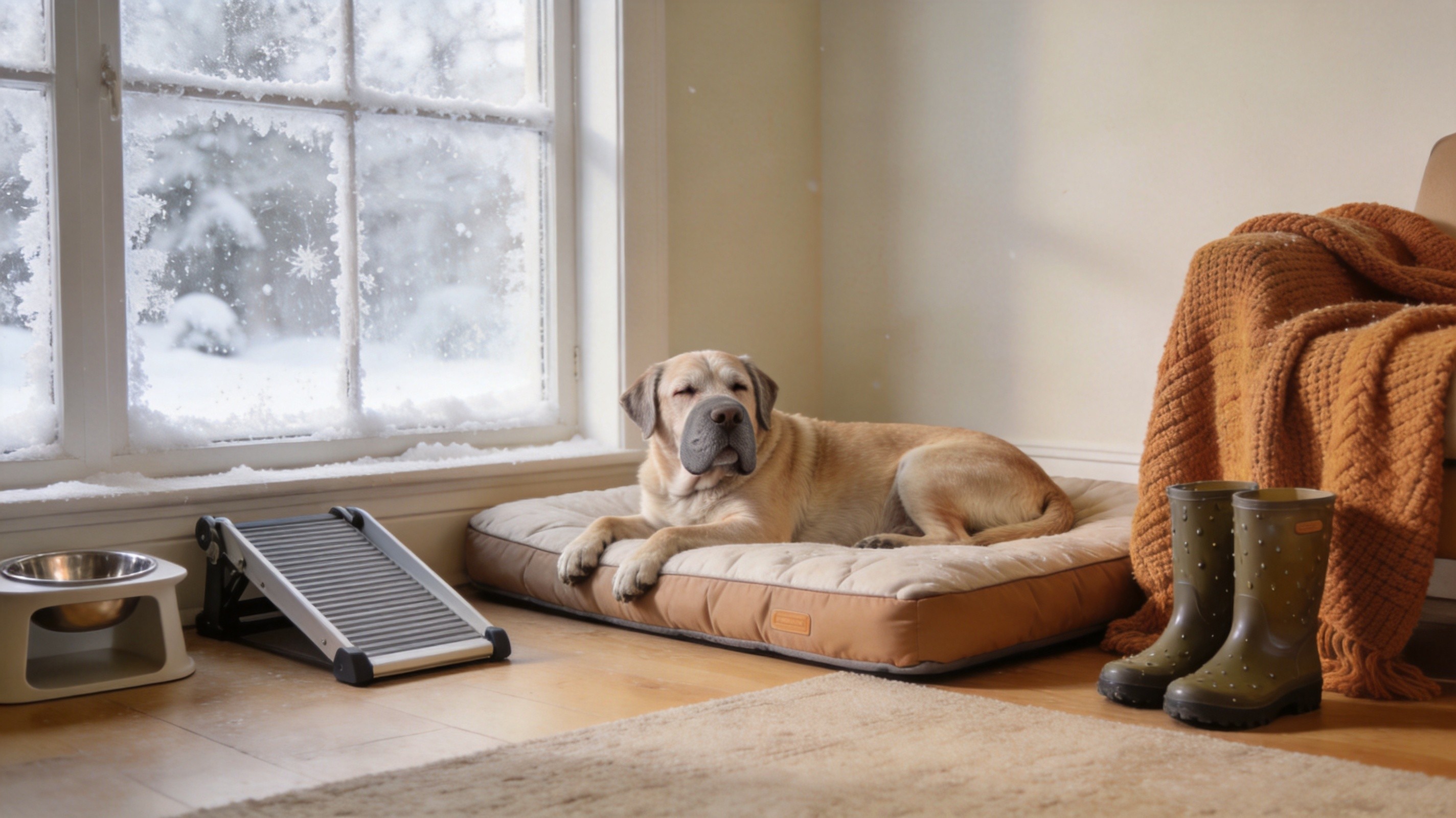
Indoor comfort is the foundation. Set up the main resting spot away from drafts, exterior doors, and cold tile, and make sure bedding is genuinely supportive. A [Gel Memory Foam Dog Sofa Bed](/products/orthopedic-bolster-dog-bed) insulates an old dog from a cold floor while cushioning pressure points; place a soft blanket on top for burrowing and easy laundering.
Older dogs often appreciate an extra layer indoors, such as a well-fitted dog sweater or fleece vest, especially short-coated and thin breeds. Avoid leaving any heated electric pad at full temperature unattended; aging skin can be slow to sense overheating. A supportive bed plus a washable blanket delivers warmth without that risk.
Protect Paws From Ice, Salt, and Chemicals
Winter sidewalks bring three threats: frozen balls of snow and ice between the pads, sharp hidden ice, and de-icing salts and chemicals that irritate skin and are toxic if licked off.
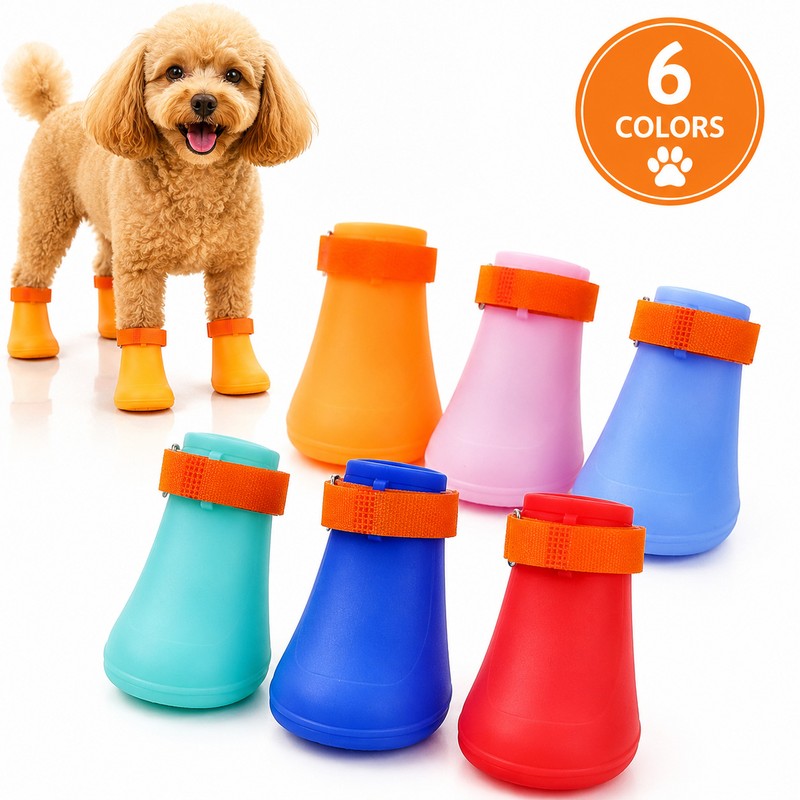
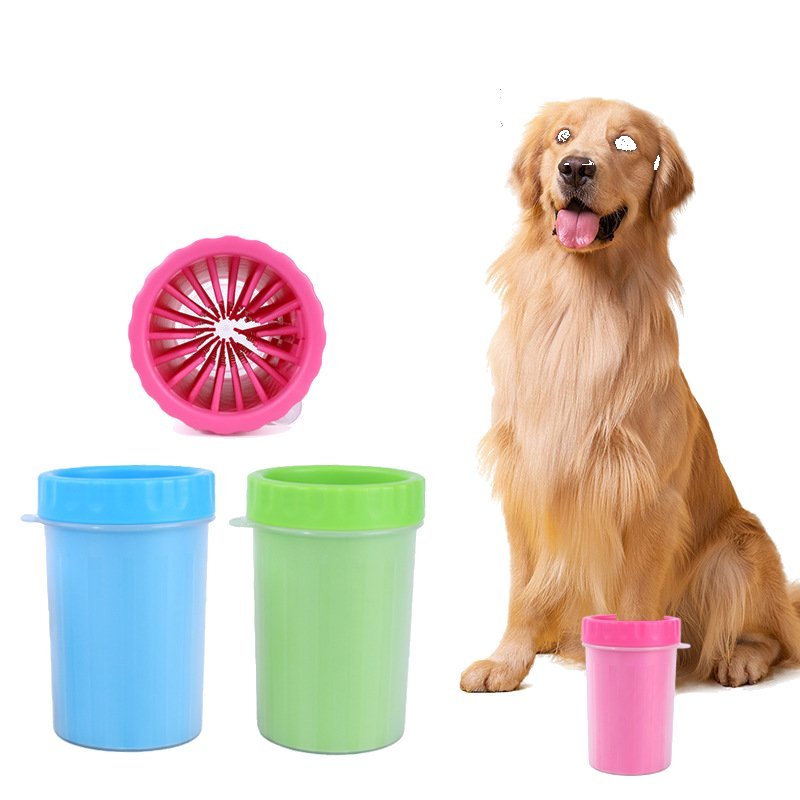
A pair of well-fitting [Waterproof Silicone Dog Rain Boots](/products/waterproof-silicone-dog-rain-boots) creates a physical barrier against all three, with the added benefit of traction on slick ground. Introduce boots slowly indoors with treats and short sessions so an older dog has time to accept the new sensation. After every walk, rinse or wipe paws, legs, and belly to remove salt and antifreeze residue; a [Pet Paw Cleaner Cup](/products/pet-paw-cleaner-cup) makes this quick and thorough with soft silicone bristles and no harsh scrubbing.
Between walks, keep the fur between the paw pads trimmed to reduce ice buildup, and use a pet-safe paw balm on dry, cracking pads. Always wipe before licking, because road salt and antifreeze are both dangerous when ingested.
Manage Joints and Mobility on Cold Days
Cold stiffness is real, but gentle movement is still medicine. Long, freezing walks are out; several short, mild outings during the warmer, brighter part of the day are in. Warm-up matters: encourage a few slow indoor steps and a light massage of the legs before heading out, and towel-dry and warm the dog promptly on return.
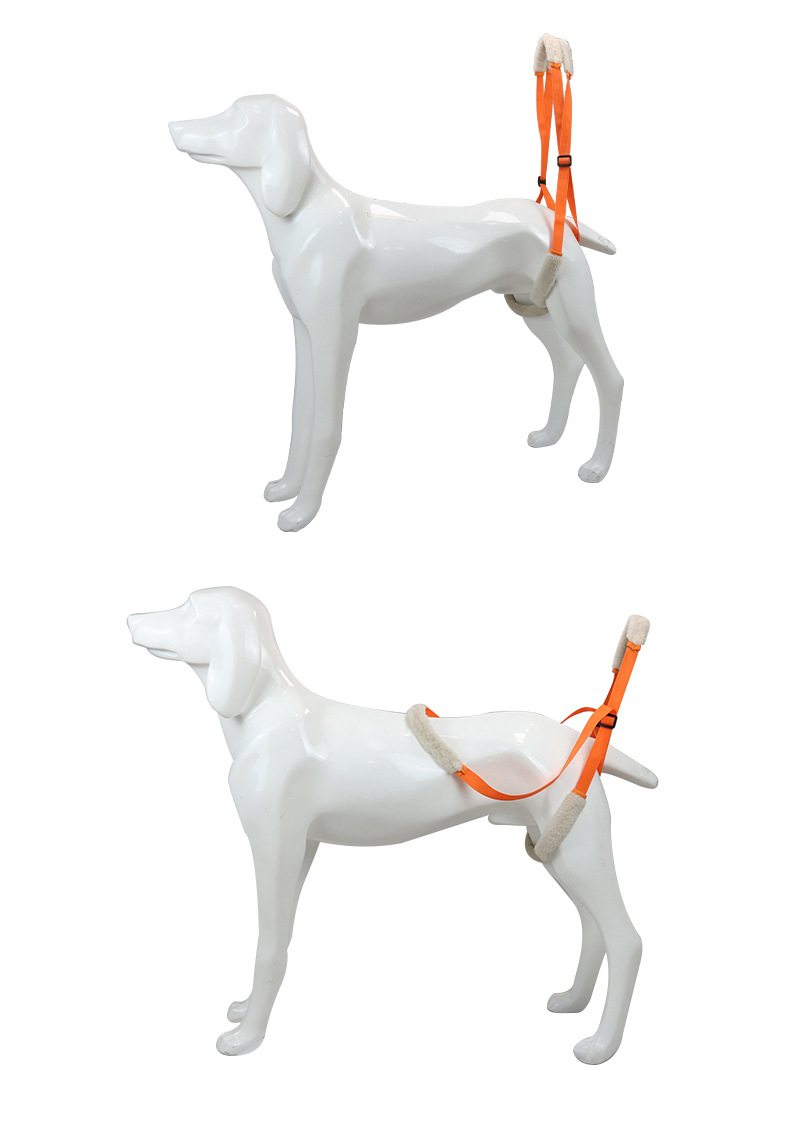
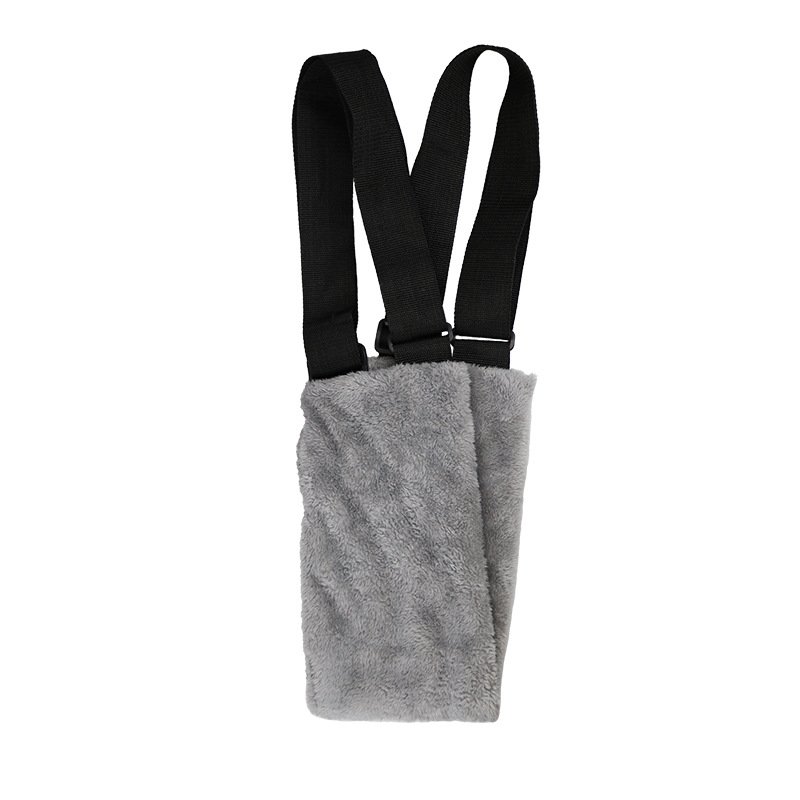
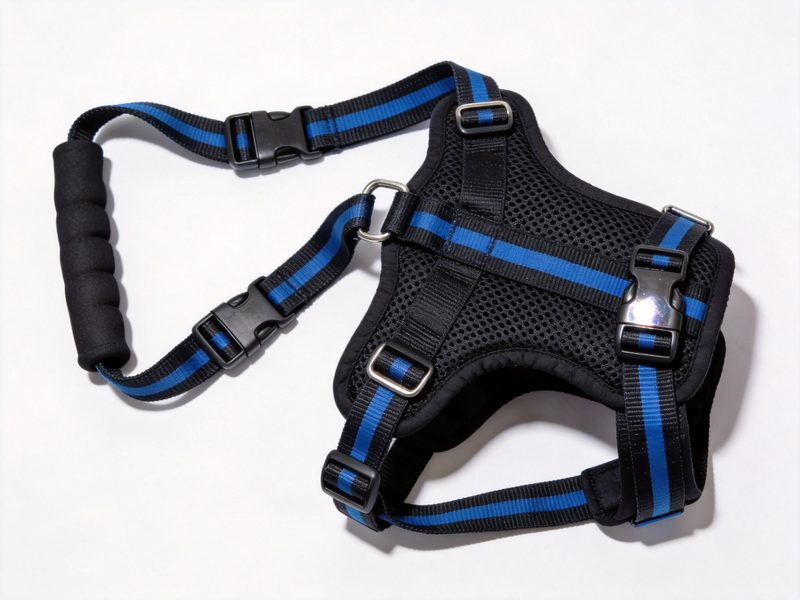
Around the home, slick winter floors and a stiff hind end are a bad combination. Lay non-slip runners along the routes to the door, bed, and bowls. Help where it is needed rather than letting an old dog struggle: a [Senior Dog Hind Leg Support Harness](/products/hind-leg-support-harness) lets you share weight on steps and icy thresholds, while a lightweight [Mesh Support Sling](/products/mesh-support-sling) is easy to keep by the door for quick support.
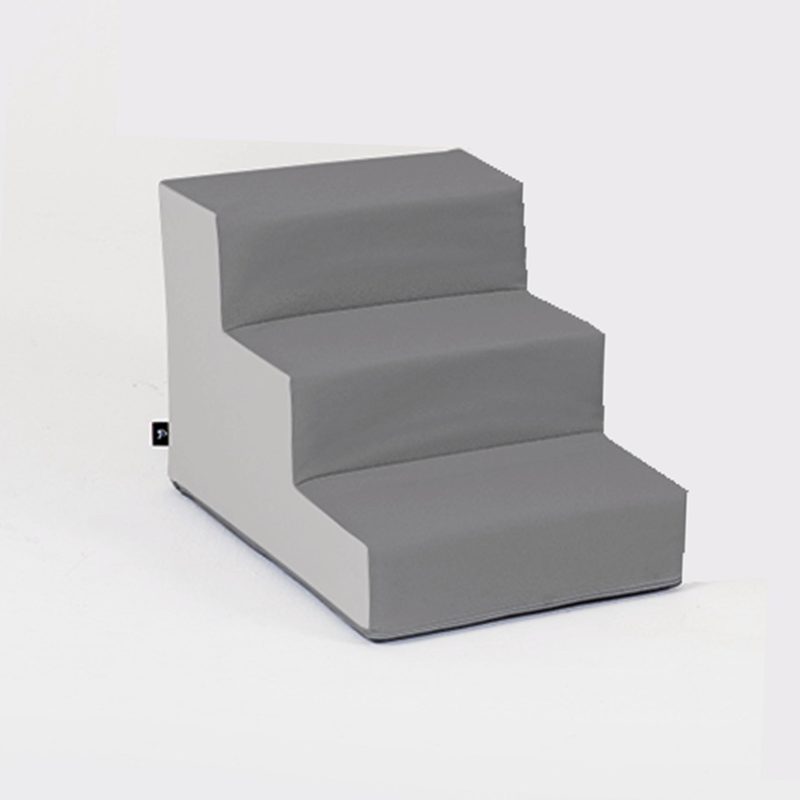
If your dog can no longer safely jump for favorite furniture, a [3-Tier Folding Pet Stairs with Storage](/products/folding-pet-stairs) provides a stable, low-gradient climb so they keep their usual place beside you without the impact of jumping.
Keep Exercise and Enrichment Going Indoors
When the weather keeps walks short, senior dogs still need movement and mental stimulation to stay limber and engaged. Short, indoor-friendly play and scent work fill the gap without stressing joints. A [Flower Snuffle Mat for Dogs](/products/snuffle-mat-set) turns a meal into calm foraging exercise, and a [Paw-Shaped Silicone Lick Mat with Suction Cups](/products/silicone-lick-mat) encourages slow, soothing licking that eases anxiety during storms or long indoor stretches. Keep sessions gentle and stop before fatigue.
Maintain a healthy weight through winter; extra pounds amplify joint pain and cold intolerance, so adjust food for lower activity rather than free-feeding through the season.
Winter Safety Checklist for Senior Dogs
- Limit time outside in extreme cold, wind, and damp; watch for lifting paws, shivering, weakness, or confusion
- Wipe paws, legs, and belly after every walk; keep antifreeze completely out of reach
- Use boots and paw balm; trim fur between the pads
- Provide a supportive, draft-free bed and an optional indoor layer
- Add non-slip paths and assist with a harness or sling on steps and ice
- Replace long walks with several short ones during the warmest daylight hours
- Keep ID tags and microchip details current, snow can hide familiar scents and disorient an older dog
- Schedule a winter vet check to review arthritis medication, weight, and any cold-weather changes
With the right bedding, paw protection, traction, and a little help on the slippery spots, winter can be a season of warm naps and gentle outings rather than a season of struggle.
Related Articles
- [Helping Your Dog with Arthritis: A Complete Care Guide](/blog/dog-arthritis-care-guide)
- [Dog Rain Boots: The Complete Guide to Waterproof Paw Protection](/blog/dog-rain-boots-complete-guide)
- [How to Help an Old Dog Slipping on Hardwood Floors: Anti-Slip Socks and Other Solutions](/blog/old-dog-slipping-floors-anti-slip-solutions)