Bath time is an essential part of keeping your senior dog clean and comfortable, but the process does not end when you turn off the water. For senior dogs, proper post-bath care is especially important because they are more susceptible to getting chilled, their skin may be more sensitive, and the bathing experience itself can be tiring. The right drying approach makes the difference between a bath that is simply routine and one that leaves your dog comfortable, warm, and ready to resume their day.
Why Post-Bath Care Matters More for Senior Dogs
Senior dogs face several challenges during the post-bath period that younger dogs handle more easily:
Temperature regulation becomes less efficient with age. Senior dogs have more difficulty maintaining their body temperature, and being wet significantly accelerates heat loss. A dog that might shake off and air-dry comfortably at three years old may become chilled and uncomfortable at twelve.
Skin sensitivity increases. Older dogs often have thinner, more sensitive skin that is prone to irritation from vigorous rubbing. The friction that a young dog's coat can handle may cause discomfort on aging skin.
Joint stiffness after bathing. Standing still on a wet, potentially slippery surface during and after bathing can exacerbate joint stiffness. The longer the drying process takes, the more uncomfortable your dog may become.
Reduced stamina. Bathing and the associated drying process can be tiring for senior dogs. A lengthy drying routine may leave them exhausted rather than refreshed.
Understanding these challenges helps you appreciate why the right drying tools and techniques matter so much.
The Problem with Traditional Drying Methods
Many pet owners use standard cotton towels or even human bath towels. While these work adequately for young dogs, they present several issues for senior dog care:
Cotton towels absorb moisture slowly. You end up rubbing longer to achieve adequate drying, increasing the risk of skin irritation and extending the time your dog is wet and vulnerable to chilling.
Cotton towels stay damp themselves. A saturated towel does not continue absorbing effectively, meaning you either need multiple towels or you are working with one that is no longer performing well.
Vigorous rubbing with cotton can be harsh on sensitive senior skin. The need for extended rubbing increases the likelihood of causing discomfort.
Standard towels are often large and heavy when wet, making them cumbersome to handle, especially if you are also managing a senior dog who may be unsteady on their feet.
Why Quick-Dry Coral Fleece Towels Are Ideal
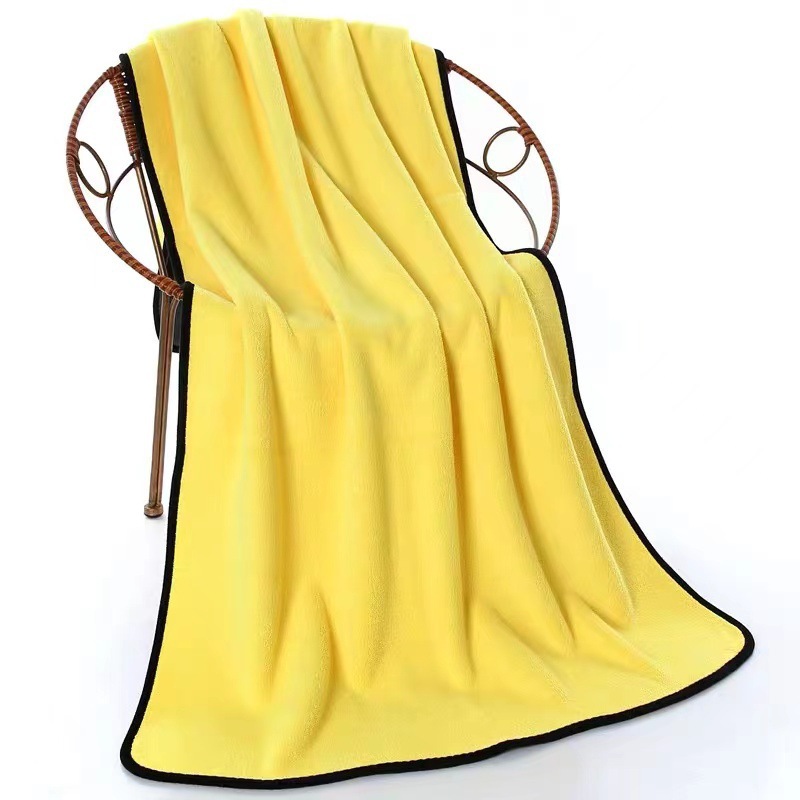
The LoyalBond Pet Quick-Dry Coral Fleece Towel addresses all the limitations of traditional cotton towels, making it particularly well-suited for senior dog care:
Superior Absorbency
High-density coral fleece microfiber absorbs water significantly faster than standard cotton and holds more moisture per gram of fabric. This means you can dry your senior dog more quickly with less rubbing, reducing both the time they are wet and the friction on their sensitive skin.
The rapid absorption works through capillary action — the tiny fibers create numerous contact points that pull water away from your dog's coat efficiently. You will notice the difference immediately: the towel soaks up water almost instantly, requiring fewer passes.
Gentle on Sensitive Skin
The soft, plush texture of coral fleece is notably gentler than cotton terry cloth. The fibers are smooth and fine, reducing friction during drying. For senior dogs with thin skin, age-related skin conditions, or areas of sensitivity, this gentleness makes a meaningful difference.
You can use a patting or pressing motion rather than vigorous rubbing, which further reduces friction while still achieving effective water removal.
Quick-Dry Properties
The coral fleece fabric releases moisture efficiently when hung, drying much faster than cotton between uses. This reduces potential for musty odors and bacterial growth that can develop in damp towels. For pet owners who bathe their senior dogs regularly — every two to four weeks is common — having a towel that dries quickly between uses is practical and hygienic.
Lightweight and Manageable
Despite high absorbency, the towel remains lightweight at just 100g per piece. This makes it easy to handle, even if you are also supporting a senior dog who may need stability during the drying process. You can maneuver the towel around your dog without it becoming a heavy burden.
Choosing the Right Size
The LoyalBond towel comes in two sizes to match different breeds and drying needs:
Small (30×30cm): Ideal for cats, small dogs, and targeted drying of specific areas like paws, face, or belly. Perfect for quick touch-ups after rainy walks or for cleaning paws before your dog comes inside.
Large (30×60cm): Suitable for medium to large dogs and full-body drying after complete baths. The larger surface area means you can dry more of your dog's body with each towel placement, speeding up the overall process.
For senior dogs, having both sizes available is practical: use the large towel for full bath drying and the small towel for quick paw and face cleaning between baths. At $0.14–$0.27 per towel, keeping multiple towels in different locations is affordable.
Available in Mustard Yellow and Gray to match your grooming station decor.
The Senior Dog Post-Bath Drying Routine
Here is a step-by-step approach that prioritizes your senior dog's comfort:
Prepare before the bath: Have your quick-dry towel(s) ready and within reach before you start. Warm the towel slightly if your dog is particularly sensitive to cold — simply place it in the dryer for a few minutes on low heat.
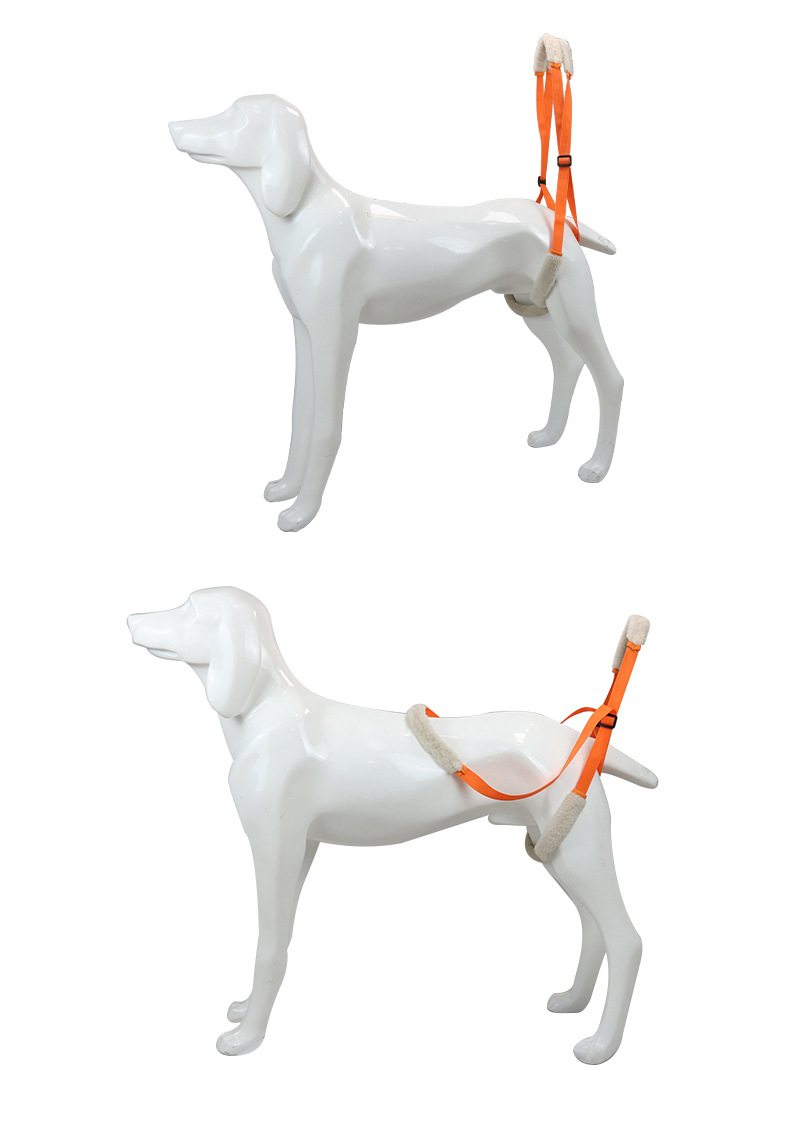
Support your dog during the bath: If your dog has mobility challenges, use a support harness to help them stand. This prevents them from having to balance on a wet, slippery surface for extended periods.
Begin drying immediately: As soon as the bath is complete, begin drying right away. Do not let your dog shake excessively first — while shaking removes some water, it extends the overall wet period.
Use the press-and-hold technique: Rather than rubbing vigorously, press the coral fleece towel against your dog's coat and hold for 10-15 seconds to allow absorption. Move systematically through your dog's body, working from back to belly, legs, and finally head.
Focus on critical areas: Pay special attention to drying areas where moisture accumulates: between the toes, under the belly, inside the ears (gently, with a corner of the towel), and under the tail.
Keep your dog warm during drying: If your home is cool, dry your dog in a warm room or near gentle warmth (never directly next to a heater). You can also drape a dry blanket over your dog while you work sections with the towel.
Check for complete dryness: Feel your dog's coat close to the skin, especially in thick or double-coated areas. Any remaining dampness close to the skin can lead to chilling or skin irritation.
Reward and reassure: Throughout the process, offer calm praise and gentle touches. After drying is complete, reward your dog with a treat and positive attention.
Additional Post-Bath Care Tips
Brush after drying: Once completely dry, give your dog a gentle brushing to remove loose fur and restore the coat's natural arrangement.
Check skin condition: Post-bath is a good time to check your senior dog's skin for any changes — dryness, irritation, lumps, or hot spots. Early detection allows prompt attention.
Ensure warmth: Keep your senior dog in a warm, draft-free area for at least an hour after bathing. Even with thorough drying, they may be slightly chilled.
Clean the bathing area: Wipe down the tub to prevent slippery residue that could cause falls during the next bath.
Bathing Frequency for Senior Dogs
Senior dogs typically do not need bathing as frequently as younger, more active dogs. Every three to four weeks is sufficient for most. Over-bathing can strip natural oils from the coat and dry out skin, which is especially problematic for senior dogs whose skin may already be drier.
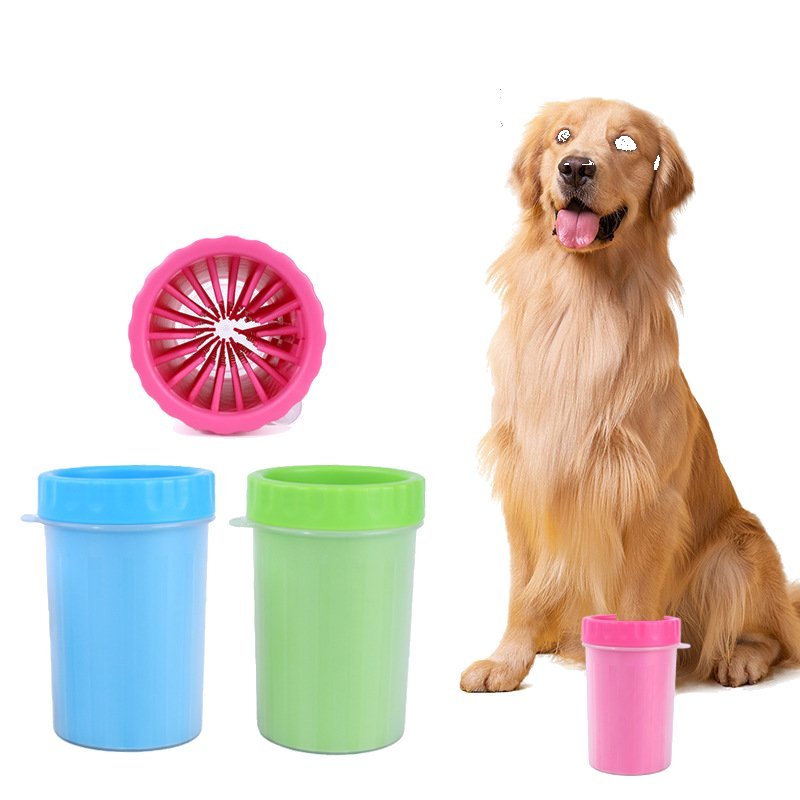
Between baths, use the small coral fleece towel dampened with warm water for spot cleaning paws, face, and belly areas, paired with our pet paw cleaner cup for deeper cleaning as needed. This keeps your dog fresh without the full bathing experience.
Making Bath Time Positive
For senior dogs who may find bathing stressful, creating positive associations is important:
- Use non-slip mats in the tub to prevent slipping and anxiety
- Keep water temperature lukewarm, not hot
- Speak calmly and reassuringly throughout the process
- Work efficiently to minimize time in the tub
- Offer high-value treats during and after bathing
- Consider using a support harness to help your dog stand comfortably
The quick-dry towel contributes to positive bath experiences by making the post-bath phase faster and more comfortable. When your dog learns that bath time ends quickly with gentle, efficient drying, they become more willing participants.
Conclusion
Post-bath care for senior dogs requires thoughtful attention to drying techniques and tools that prioritize comfort, warmth, and gentleness. Quick-dry coral fleece towels address the specific needs of aging dogs through superior absorbency, gentle texture, lightweight construction, and quick-dry properties that maintain hygiene.
With two size options and an accessible price point of $0.14–$0.27, these towels are practical enough to keep in multiple locations for convenient post-bath care, paw cleaning after walks, and general hygiene maintenance.
At LoyalBond, our Pet Quick-Dry Coral Fleece Towel is designed with senior dog care in mind, offering high-density coral fleece microfiber that absorbs quickly, dries fast, and remains gentle on sensitive skin. Explore our Grooming & Bath Collection to find the right drying solution for your aging companion.