When we bring a new pet product into our homes, we trust that it's safe for our beloved companions. Unfortunately, the pet product industry isn't as tightly regulated as you might think, and many popular products contain materials that can harm your dog's health over time. Understanding what to look for and what to avoid is essential for every responsible pet owner.
The Regulatory Gap
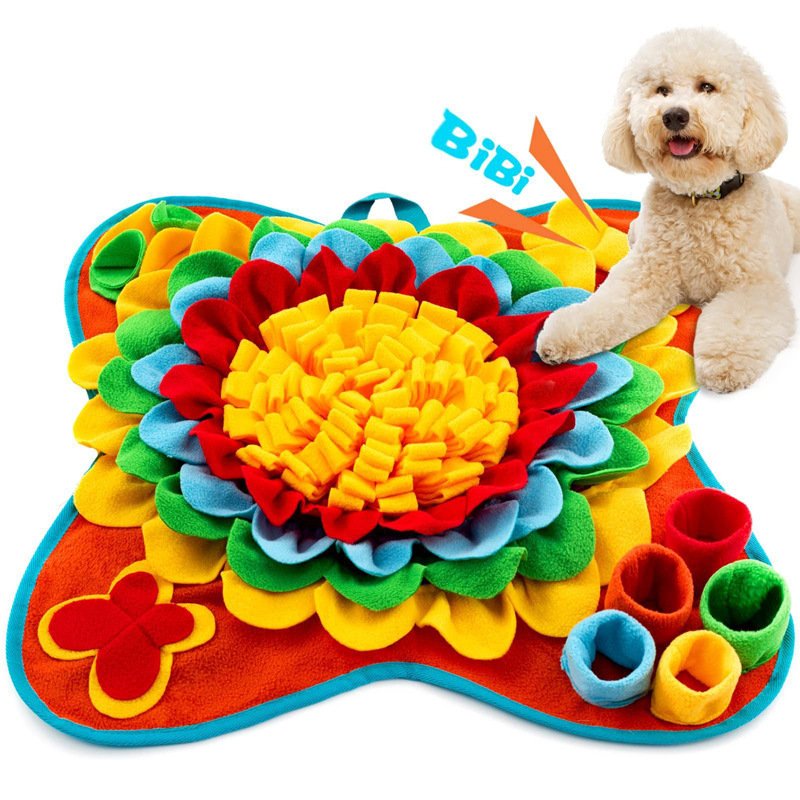
Unlike human products, pet products don't always undergo rigorous safety testing before reaching store shelves. While the FDA regulates pet food and some medications, everyday items like our orthopedic beds, snuffle mats, elevated bowls, and grooming tools may contain chemicals that would never be approved for human use.
This regulatory gap means the responsibility falls on pet owners to educate themselves and make informed choices about the products they bring into their homes.
Common Toxic Materials in Pet Products
Phthalates
Found in: Plastic toys, vinyl products, synthetic fragrances
Phthalates are plasticizers that make rigid plastics flexible. They're known endocrine disruptors that can affect hormone function, reproductive health, and development. Dogs who chew on phthalate-containing products ingest these chemicals directly.
Safer Alternatives: Natural rubber, untreated wood, organic cotton, and products labeled "phthalate-free."
BPA (Bisphenol A)
Found in: Plastic food bowls, water bottles, plastic packaging
BPA is another endocrine disruptor linked to hormonal imbalances, reproductive issues, and certain cancers. It can leach from plastic bowls into food and water, especially when scratched or heated.
Safer Alternatives: Stainless steel bowls, ceramic dishes, BPA-free labeled products, and glass containers.
Lead and Heavy Metals
Found in: Cheap plastic toys, painted products, imported items, some treats
Lead exposure can cause neurological damage, digestive issues, and in severe cases, death. Older products and items manufactured in countries with less stringent regulations are particularly risky.
Safer Alternatives: Products from reputable manufacturers with transparent sourcing, natural materials, and products tested by independent laboratories.
Formaldehyde
Found in: Some pet beds, pressed wood products, synthetic fabrics
Formaldehyde is a known carcinogen that can off-gas from products into the air your dog breathes. It's commonly found in pressed wood, certain foams, and wrinkle-resistant fabrics.
Safer Alternatives: Solid wood furniture, organic cotton bedding, natural latex foam, and products certified as low-VOC.
Flame Retardants
Found in: Foam beds, cushions, some fabrics
Chemical flame retardants, particularly PBDEs, have been linked to thyroid disruption, liver damage, and cancer in pets. They're especially concerning because they accumulate in household dust that dogs inhale and ingest through grooming.
Safer Alternatives: Naturally fire-resistant materials like wool, products that meet fire safety standards through physical barriers rather than chemicals.
PFAS (Per- and Polyfluoroalkyl Substances)
Found in: Stain-resistant fabrics, waterproof coatings, some food packaging
These "forever chemicals" don't break down in the environment or the body. They've been linked to cancer, immune system damage, and hormonal disruption.
Safer Alternatives: Naturally water-resistant materials, products without stain-resistant treatments, and items with transparent material listings.
Why Senior Dogs Are Especially Vulnerable
Senior dogs face heightened risks from toxic materials for several reasons:
Compromised Detoxification: Aging liver and kidneys are less efficient at processing and eliminating toxins, meaning exposure has a greater impact.
Weaker Immune Systems: Older dogs have reduced immune function, making them more susceptible to the immune-disrupting effects of many toxic chemicals.
More Time Exposed: Senior dogs have had years of cumulative exposure to household chemicals, and the effects compound over time.
Increased Sensitivity: Aging bodies are simply more sensitive to all environmental stressors, including chemical exposure.
How to Choose Safe Pet Products
Read Labels Carefully
Look for:
- Specific material listings (not vague terms like "plastic" or "fabric")
- "Non-toxic" certifications
- BPA-free, phthalate-free, lead-free statements
- Country of manufacture
- Company transparency about materials and testing
Research the Brand
Reputable companies:
- Provide detailed material information
- Conduct independent safety testing
- Are transparent about manufacturing processes
- Have responsive customer service for questions
- Receive positive reviews regarding product safety
Choose Natural Materials When Possible
The safest materials for pet products include:
- Organic cotton
- Natural rubber
- Stainless steel (304 grade for food contact)
- Untreated solid wood
- Ceramic (lead-free glaze)
- Natural latex
- Wool
Avoid These Red Flags
- Unusually cheap prices (safety testing and quality materials cost more)
- Strong chemical odors
- Vague material descriptions
- No manufacturer information
- Products not intended for pets being marketed as pet products
The LoyalBond Commitment to Safety
At LoyalBond, we believe your dog's health should never be compromised by the products designed to help them. That's why every product in our collection meets strict safety standards:
Non-Toxic Materials Only: We use only materials that are proven safe for pets, including food-grade stainless steel, premium neoprene, BPA-free plastics, and organic fabrics.
Independent Testing: Our products undergo independent safety testing to verify they're free from harmful chemicals including lead, phthalates, BPA, and formaldehyde.
Transparent Sourcing: We provide detailed information about what goes into every product because you deserve to know exactly what your dog is exposed to.
Continuous Improvement: We regularly review new research on material safety and update our products and standards accordingly.
Practical Steps for a Less Toxic Pet Life
1. Replace plastic bowls with stainless steel options like our elevated slow feeder bowl or ceramic options
2. Choose natural fiber bedding over synthetic fills when possible
3. Wash new products before use to remove surface chemicals
4. Ventilate your home regularly to reduce chemical off-gassing
5. Dust and vacuum frequently to reduce accumulated chemical dust
6. Choose quality over quantity - fewer, safer products are better than many questionable ones
7. Stay informed about recalls and safety alerts
Conclusion
The materials in your dog's products matter more than most pet owners realize. From food bowls to beds, toys to grooming tools, every product your dog interacts with is an opportunity for chemical exposure. By choosing non-toxic alternatives and supporting companies committed to safety, you're making a meaningful difference in your dog's health and longevity.
This is especially critical for senior dogs, whose aging bodies are less equipped to handle chemical stressors. Every non-toxic choice you make adds up to a safer, healthier environment for your aging companion.
At LoyalBond, safety isn't a marketing claim, it's our foundation. Every product we create starts with the question: "Is this truly safe for the dogs who will use it?" We invite you to explore our collections with confidence, knowing that every item has been designed with your dog's health as the top priority.