Bringing your dog home after surgery can feel overwhelming, regardless of whether the procedure was a routine spay or a complex orthopedic operation. Your veterinarian will provide specific discharge instructions, and those should always be your primary reference. But understanding the broader arc of dog post surgery recovery, what is normal, and what requires a phone call can help you feel more confident and prepared.
This guide walks you through the stages of recovery, the supplies that make the biggest difference, and the practical day-to-day care that helps your dog heal comfortably and completely.
Common Types of Dog Surgeries
Dogs undergo surgery for many reasons, and recovery varies depending on the procedure. Some of the most common include:
Spay and neuter. These routine procedures involve removal of reproductive organs. Most dogs recover within 10 to 14 days, with activity restriction being the main challenge, especially for young, energetic dogs.
TPLO (Tibial Plateau Leveling Osteotomy). This is a common surgery for dogs with torn cranial cruciate ligaments in the knee. It involves cutting and repositioning the tibia bone. Recovery is lengthy, often 8 to 12 weeks, with strict activity restriction and gradual rehabilitation.
Hip replacement and other orthopedic surgeries. Dogs with severe hip dysplasia or fractures may receive artificial hip joints or undergo fracture repair. These require extended rest and structured physical therapy.
Mass or tumor removal. Depending on the size and location, recovery can range from straightforward to complex, particularly if the mass was large or involved significant tissue.
Dental surgery. Extractions and oral surgery require soft food and attention to bleeding or infection in the mouth.
Emergency procedures. Foreign body removal, gastric dilatation-volvulus (bloat) surgery, and wound repair often involve more critical aftercare and longer hospital stays.
Immediate Recovery: The First 24 Hours
The first day after surgery is primarily about waking up safely. Your dog may be groggy, wobbly, and disoriented from the anesthesia. Some dogs whine, pace, or seem restless; others are deeply sleepy for 12 to 24 hours. Both responses are generally normal.
When you bring your dog home, set up a quiet, warm, confined space where they can rest without being disturbed by children or other pets. Place clean bedding on the floor and ensure the area is free of obstacles. Do not encourage your dog to walk around unnecessarily; carry them outside to eliminate if they are too unsteady to walk safely.
Offer a small amount of water shortly after arriving home, and a small, bland meal about two hours later if they are alert. Some dogs vomit once after anesthesia, but persistent vomiting warrants a call to your vet.
Check the incision site once or twice during the first evening. A small amount of dried blood or clear fluid is normal, but active bleeding, swelling, or gaping should be reported immediately. Keep your dog warm with a blanket, but avoid heating pads, which can burn numb skin.
Acute Phase: Days 1 to 3
During the first three days, your dog will likely be sore and may be less active than usual. This is the phase where pain management is most critical.
Your veterinarian will prescribe pain relief medication and possibly antibiotics. Give these exactly as directed, on schedule, even if your dog seems comfortable. Pain that is allowed to build up is harder to get under control. Use a written log or phone alarm to track doses and never give human medications like ibuprofen, acetaminophen, or aspirin without explicit veterinary approval, as these can be dangerous or fatal to dogs.
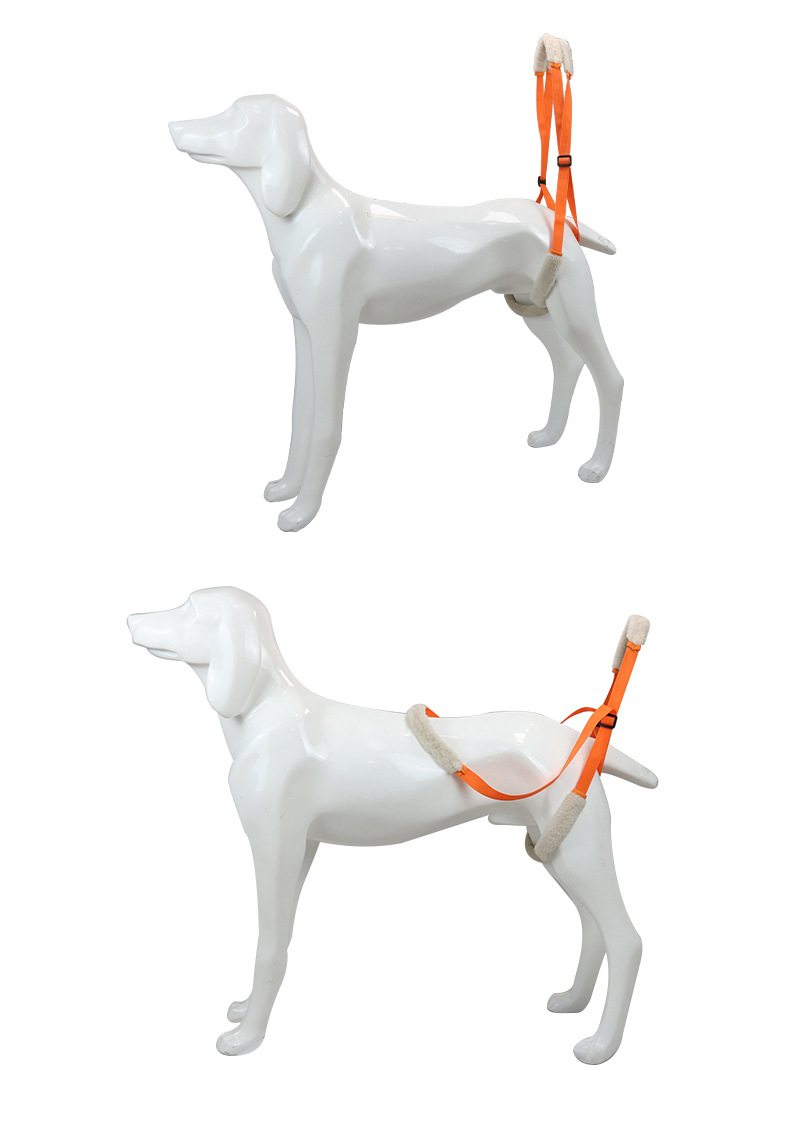
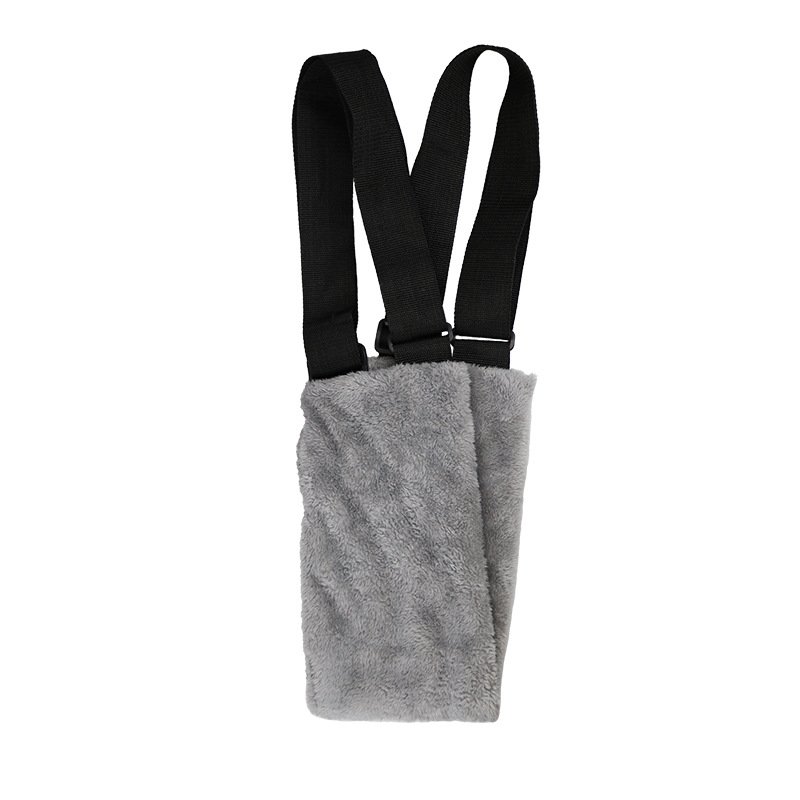
Strict rest is essential. Use a crate or small pen to prevent running, jumping, and stair climbing. Leash-walk your dog only for bathroom breaks, keeping walks slow and short. If your dog had orthopedic surgery, your vet may recommend sling-assisted walks. A hind leg support harness or a mesh support sling allows you to support your dog's hindquarters, reducing weight on the surgical leg and preventing slips. These are particularly valuable after TPLO or hip surgery, when a fall on smooth floors could be catastrophic.
Monitor the incision daily. It should look like a clean, closed wound with edges touching. Mild bruising around the site is common. Contact your vet if you see increasing redness, swelling, discharge, foul odor, or if the incision appears to be opening.
Healing Phase: Weeks 1 to 2
By day four or five, most dogs begin to feel noticeably better. This is actually one of the riskiest periods of recovery, because your dog will start feeling good enough to want to move, but the surgical site is not yet strong enough to handle normal activity.
Continue strict rest. Your dog may act as if nothing is wrong, but bone, tendon, and soft tissue healing takes much longer than it takes for pain to subside. Premature activity can cause implants to shift, incisions to open, or bones to refracture.
If your dog has external sutures or staples, these are typically removed 10 to 14 days after surgery. Absorbable sutures dissolve on their own and do not require removal, but you should still keep an eye on the area.
This is the period when preventing licking and chewing becomes most important. The wound itches as it heals, and a dog who is bored or uncomfortable may lick obsessively, causing infection, suture removal, or a self-inflicted wound that is far worse than the original surgery.
By the end of week two, your vet may clear your dog for short, leashed walks of increasing length, depending on the procedure. Always follow their specific guidance rather than general timelines.
Rehabilitation Phase: Weeks 2 to 8 and Beyond
For orthopedic surgeries, the rehabilitation phase is where long-term function is built. Bone healing progresses significantly during this period, and controlled movement helps prevent scar tissue from restricting joint mobility.
Your veterinarian or a canine rehabilitation specialist may recommend passive range of motion exercises, in which you gently flex and extend the surgical limb through its natural range. These exercises are typically painless and help maintain joint flexibility. Short, slow leash walks on flat surfaces build muscle without overloading healing tissue.
Some dogs benefit from underwater treadmill therapy or swimming, which provides resistance without impact. Your vet will advise whether hydrotherapy is appropriate for your dog's specific surgery.
Throughout this phase, continue to prevent running, jumping, and rough play. It can be frustrating to keep an energetic dog calm for weeks, but the payoff is a properly healed limb that will serve them for years. For more on supporting mobility during recovery, see our guide to senior dog mobility aids.
Essential Post-Surgery Supplies
Having the right supplies on hand before you bring your dog home makes the entire process smoother. Here are the items that make the biggest difference.
Recovery collars. Also known as Elizabethan collars or e-collars, these prevent your dog from reaching the incision. There are three main types:
- Traditional plastic cones. These are the most effective at preventing licking and chewing, and most veterinarians send dogs home with one. The downside is that they can be bulky, obstruct vision, and make eating, drinking, and navigating doorways awkward.
- Soft fabric collars. These are more comfortable and less restrictive but may not prevent a determined dog from reaching a hindquarter or belly incision. They work best for wounds on the upper body or head.
- Inflatable collars. These soft, doughnut-shaped collars around the neck limit head mobility without blocking vision. They are comfortable and allow normal eating and sleeping, but like soft collars, flexible dogs may still reach lower-body incisions.
You may need to try more than one style to find what works for your dog. Regardless of type, the collar should stay on whenever you cannot directly supervise.
Support harnesses and slings. After orthopedic surgery, your dog needs help standing and walking without putting full weight on the surgical leg. A hind leg support harness with a sturdy handle gives you a secure way to lift and steady your dog. For longer-coated dogs or cooler weather, a padded mesh support sling offers additional comfort and distributes support across a broader area.
Anti-slip socks. Post-surgical dogs are often wobbly, and a fall on a hardwood or tile floor can cause serious setbacks. Anti-slip socks with rubberized soles provide traction during the short trips outside and around the house. This is especially important in the first week when balance is at its worst.
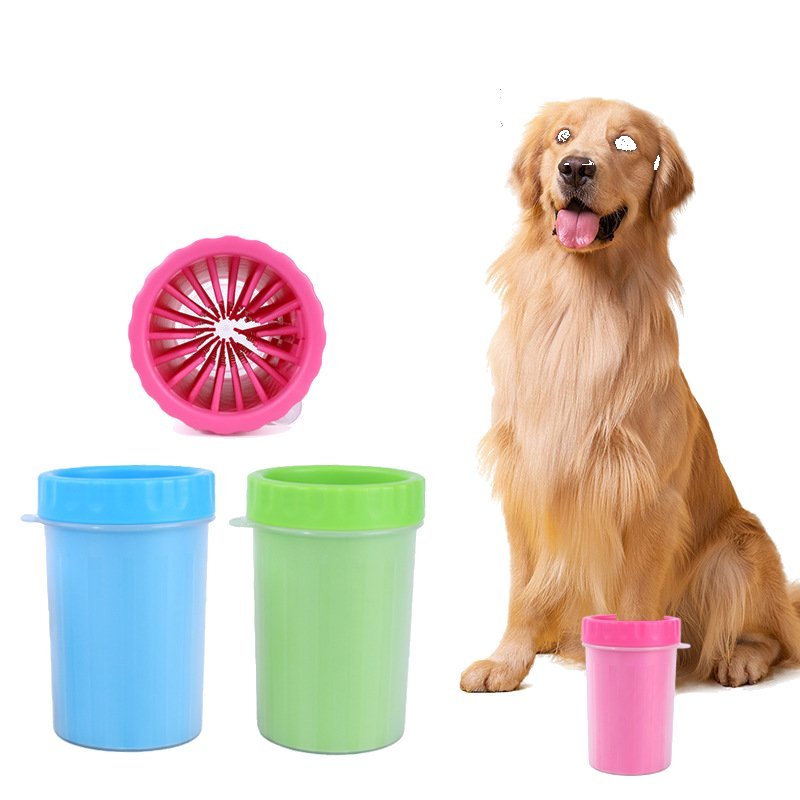
Paw cleaner. After outdoor bathroom breaks, your dog's paws may pick up dirt, mud, or bacteria that you do not want tracked near a healing incision. A pet paw cleaner cup provides a quick, gentle way to clean paws before your dog comes inside, reducing the risk of wound contamination.
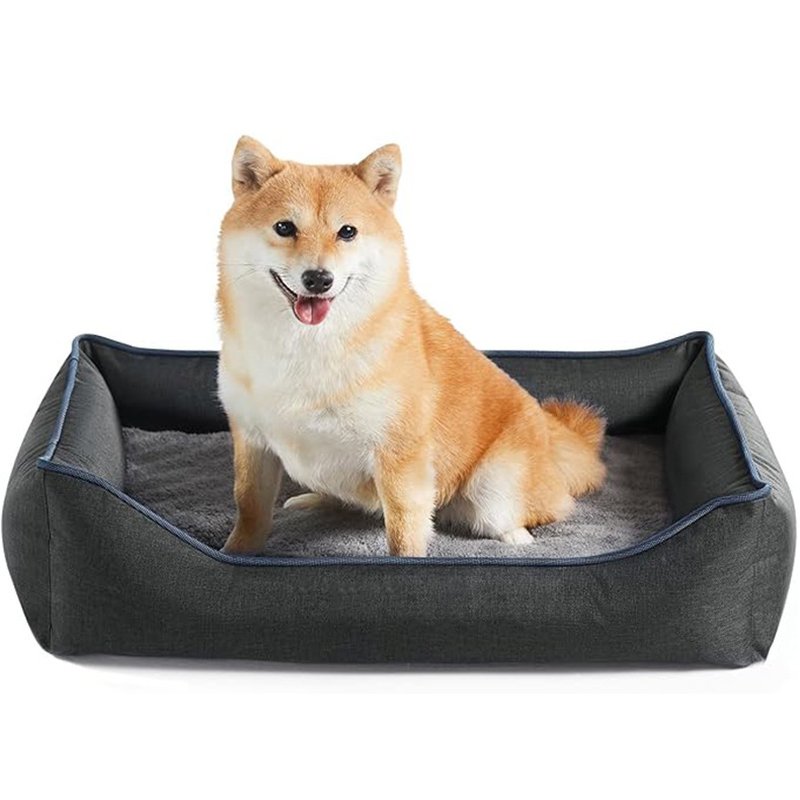
Orthopedic bed. A supportive, well-cushioned resting spot is essential during recovery. An orthopedic bed with memory foam relieves pressure points and keeps your dog comfortable during the long hours of crate rest. Place it in the confinement area so your dog does not have to navigate slippery floors to find a place to rest.
How to Stop Your Dog from Licking the Wound
Licking is one of the biggest challenges in dog after surgery care. A dog's mouth is full of bacteria, and persistent licking can turn a clean incision into an infected, open wound.
The recovery collar is your first line of defense. Make sure it is the right size: it should extend beyond the tip of your dog's nose by about an inch. If your dog can reach the incision despite wearing a collar, you need a larger size or a different style.
Alternatives and supplements include:
- A clean, snug-fitting old T-shirt can cover a belly or chest incision. Cut holes for your dog's legs and secure it loosely with a knot over the back.
- Post-surgical recovery suits are commercially available and cover the torso without a collar. They are washable and many dogs tolerate them well.
- Bitter-tasting wound sprays, recommended by your veterinarian, can discourage licking on accessible areas, but they should complement a collar rather than replace it.
Check the incision at least twice a day. If you catch your dog licking, redirect them with a calm verbal cue and ensure the collar is properly fitted. Do not punish; licking is often a self-soothing behavior, not defiance.
Medication Management
Post-surgical medication schedules can be complex, especially if multiple drugs are prescribed. A simple system prevents missed or double doses.
Write down every medication, its dose, the times it should be given, and whether it needs to be given with food. Keep this list on the refrigerator or take a photo of it on your phone. Set phone alarms for each dose time.
Common post-surgical medications include:
- Non-steroidal anti-inflammatory drugs (NSAIDs) for pain and inflammation. These must be given with food in most cases and should never be combined with other NSAIDs or steroids without veterinary guidance.
- Opioid or other pain relievers for more severe discomfort, particularly after orthopedic surgery. These may cause sedation or constipation.
- Antibiotics to prevent or treat infection. Complete the full course even if your dog seems fully recovered.
- Gastroprotective medications to protect the stomach when NSAIDs are prescribed.
If you miss a dose, do not double up. Give the medication as soon as you remember, or if it is close to the next scheduled dose, skip the missed one. When in doubt, call your veterinary clinic for guidance.
Eating, Drinking, and Bathroom Habits
It is normal for a dog's appetite to be reduced for the first day or two after surgery. Anesthesia, pain medication, and stress can all suppress appetite. Offer small, easily digestible meals such as boiled chicken and rice, or a prescription recovery diet if your vet provided one.
By day two or three, your dog should be eating more normally. If your dog refuses all food for more than 48 hours, or cannot keep water down, contact your veterinarian.
Bowel movements may be irregular for several days after surgery. Dogs often do not defecate for 48 to 72 hours because they ate little before and after the procedure, and pain medications can cause constipation. If your dog strains without producing stool, or if more than three days pass without a bowel movement, call your vet. They may recommend a stool softener or other treatment.
Urination should resume within 24 hours of arriving home. If your dog has not urinated within that timeframe, or if you notice straining, blood in the urine, or obvious discomfort, contact your veterinarian promptly.
Wound Care: What Normal Looks Like
Knowing what a healthy incision looks like helps you spot problems early. A normal healing incision should:
- Have clean, well-approximated edges
- Be pink or light red in color
- Show mild swelling that gradually decreases
- Develop a thin scab along the incision line
- Not produce pus, excessive fluid, or foul odor
Signs of a problem include:
- Bright red, spreading inflammation around the wound
- Increasing swelling or warmth
- Yellow, green, or foul-smelling discharge
- The incision opening or separating
- Bleeding that does not stop with gentle pressure
- Your dog developing a fever (normal canine temperature is 101 to 102.5 degrees Fahrenheit)
If you notice any of these signs, contact your veterinary clinic the same day. Infections caught early are much easier to treat than those allowed to progress.
Common Concerns and FAQ
Why is my dog shaking or trembling after surgery? Mild trembling can be a side effect of anesthesia, pain, anxiety, or feeling cold. Keep your dog warm and comfortable. Persistent or severe shaking, especially combined with lethargy or pale gums, should be reported to your vet.
My dog will not eat. What should I do? Offer warm, aromatic foods such as boiled chicken or low-sodium broth poured over kibble. Hand-feeding can help. If appetite does not return within 48 hours, call your vet.
My dog has not had a bowel movement. Is that normal? It is common for the first two to three days. Ensure your dog is drinking water. If there is no bowel movement by day four, or if your dog seems uncomfortable, contact your vet.
Why is my dog panting heavily? Panting can indicate pain, anxiety, overheating, or a reaction to medication. If panting is persistent, accompanied by restlessness or other symptoms, or seems severe, call your veterinarian.
Can my dog sleep in my bed during recovery? It is generally safer to keep your dog in a crate or confined area on the floor during the initial recovery period. Jumping on or off furniture can damage a surgical site. Once your vet clears normal activity, bed sleeping can resume.
How do I keep my dog calm for two weeks? Food-stuffed puzzle toys, chew treats, gentle grooming sessions, and quiet training exercises that do not involve movement can help pass the time. Covering the crate with a blanket can reduce visual stimulation. Ask your vet about calming supplements or pheromone diffusers if anxiety is severe.
Final Thoughts
Dog post surgery recovery is a gradual process that demands patience and attention to detail. The first week is about rest and pain management. The second week is about preventing your dog from overdoing it as they start feeling better. The weeks after that are about controlled rehabilitation to rebuild strength and mobility.
Prepare your home before the surgery, gather your supplies, and do not hesitate to call your veterinary clinic with questions, no matter how small they seem. With the right recovery collar, mobility support, wound care, and lots of quiet love, your dog will have the best possible chance for a smooth and complete recovery.