Plenty of dogs do not merely dislike baths, they dread them, trembling, hiding, or scrambling to escape the moment the water starts. If that is your dog, the problem is rarely the bath itself. It is usually a mix of slippery surfaces, scary sounds, cold water, and a history of being rushed. The good news is that a calm, predictable routine changes how most dogs feel about bath time, even older dogs who have hated it for years.
This guide walks through why dogs fear baths, how to prepare the room, and a gentle step-by-step routine that keeps sessions short. It also covers how a simple multi-function pet bath brush gets your dog clean faster, which is the single biggest factor in keeping a nervous dog relaxed.
Why Some Dogs Hate Bath Time
A dog who resists bathing is usually reacting to one of a few predictable things:
- Slippery footing. A dog who cannot get a grip on a smooth tub feels trapped and panics.
- Noise and vibration. Running taps, shower heads, and the sound of water on plastic can be startling, especially to senior dogs with fading hearing or vision.
- Temperature shocks. Cold water or a sudden splash to the face is unpleasant and memorable.
- Loss of control. Being lifted, restrained, or cornered turns a normal activity into a frightening one.
- Past bad experiences. A single rushed or forceful bath can create a lasting association.
Understanding which of these bothers your dog tells you exactly what to fix. For most dogs, simply adding traction, warming the room, and slowing the pace removes most of the drama.
Before You Start: Set the Room Up for Calm
A stress-free bath is won before a drop of water touches your dog. Spend five minutes on setup.
- Add non-slip footing. Put a rubber mat or a folded towel in the tub or sink so your dog can stand confidently.
- Warm the room and the water. Close windows against drafts and run the water until it feels lukewarm, not hot, on the inside of your wrist.
- Gather everything first. Shampoo, a cup or gentle sprayer, towels, and your bath brush should all be within reach so you never leave a wet, nervous dog unattended.
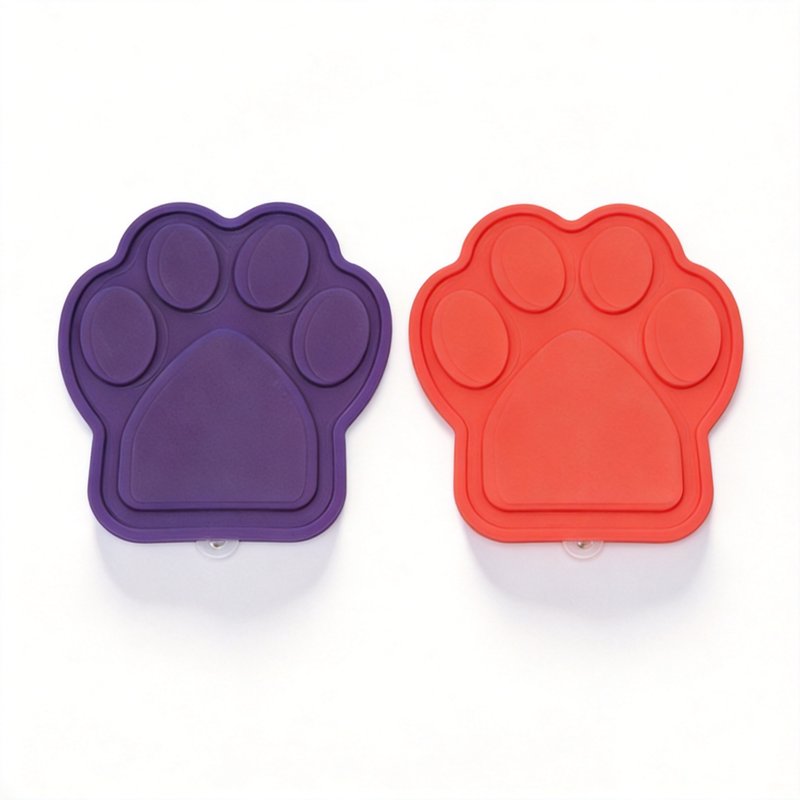
- Use a distraction. A silicone lick mat smeared with a little dog-safe peanut butter and stuck to the tub wall gives anxious dogs something enjoyable to focus on.
- Keep the mood boring. Speak softly, move slowly, and avoid fussing or apologising, which can sound like worry to a dog.
For a full at-home grooming routine that includes paws and teeth, see our senior dog home grooming guide.
A Gentle Step-by-Step Bath Routine
Go at your dog's pace across several short sessions rather than forcing one long one. On the first few attempts, you may not even use shampoo. The goal is to build a good association.
1. Let your dog explore first
Let your dog approach the empty tub or sink on their own. Toss a few treats inside, or let them lick the lick mat while simply standing there with dry paws. End on a good note before any water appears.
2. Introduce water gradually
Start with damp hands or a warm, wet cloth rather than a running tap. Wet the body first and save the head for last. Many dogs accept water on their backs long before they tolerate it near their face.
3. Wet the coat thoroughly
Use a cup or a low-pressure sprayer, always keeping water out of the eyes and ears. Warm, steady water is less alarming than sudden bursts.
4. Shampoo with a bath brush
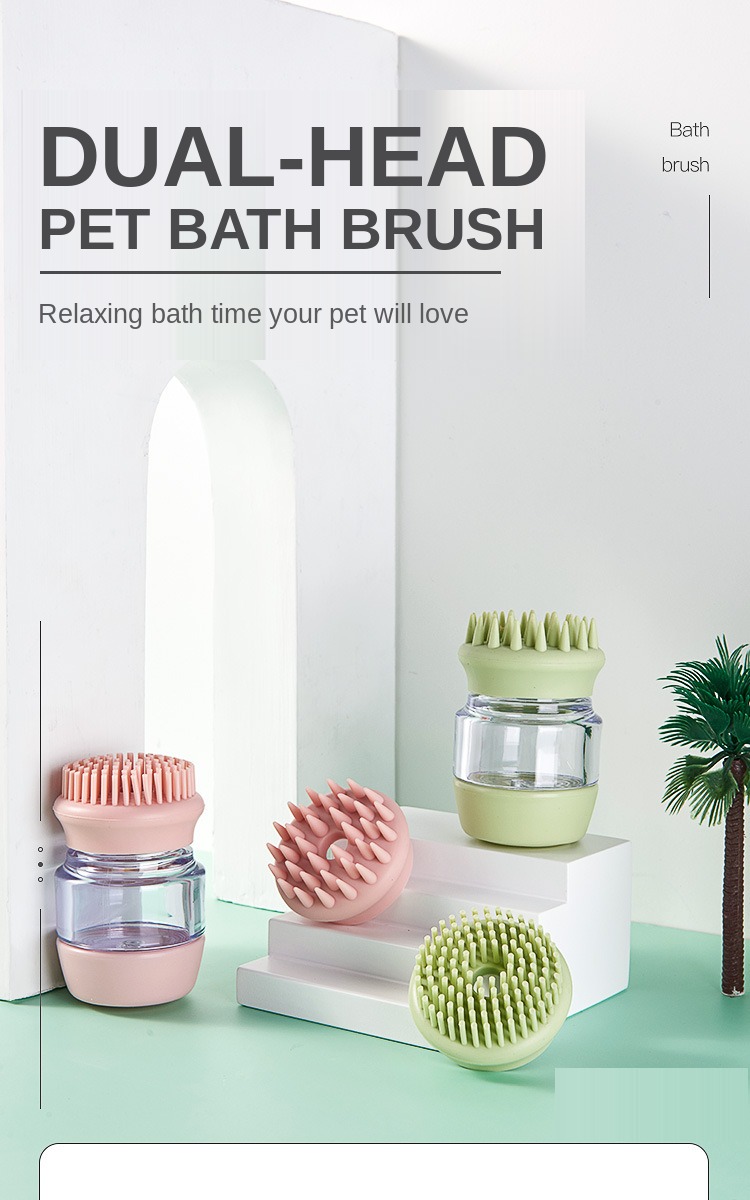
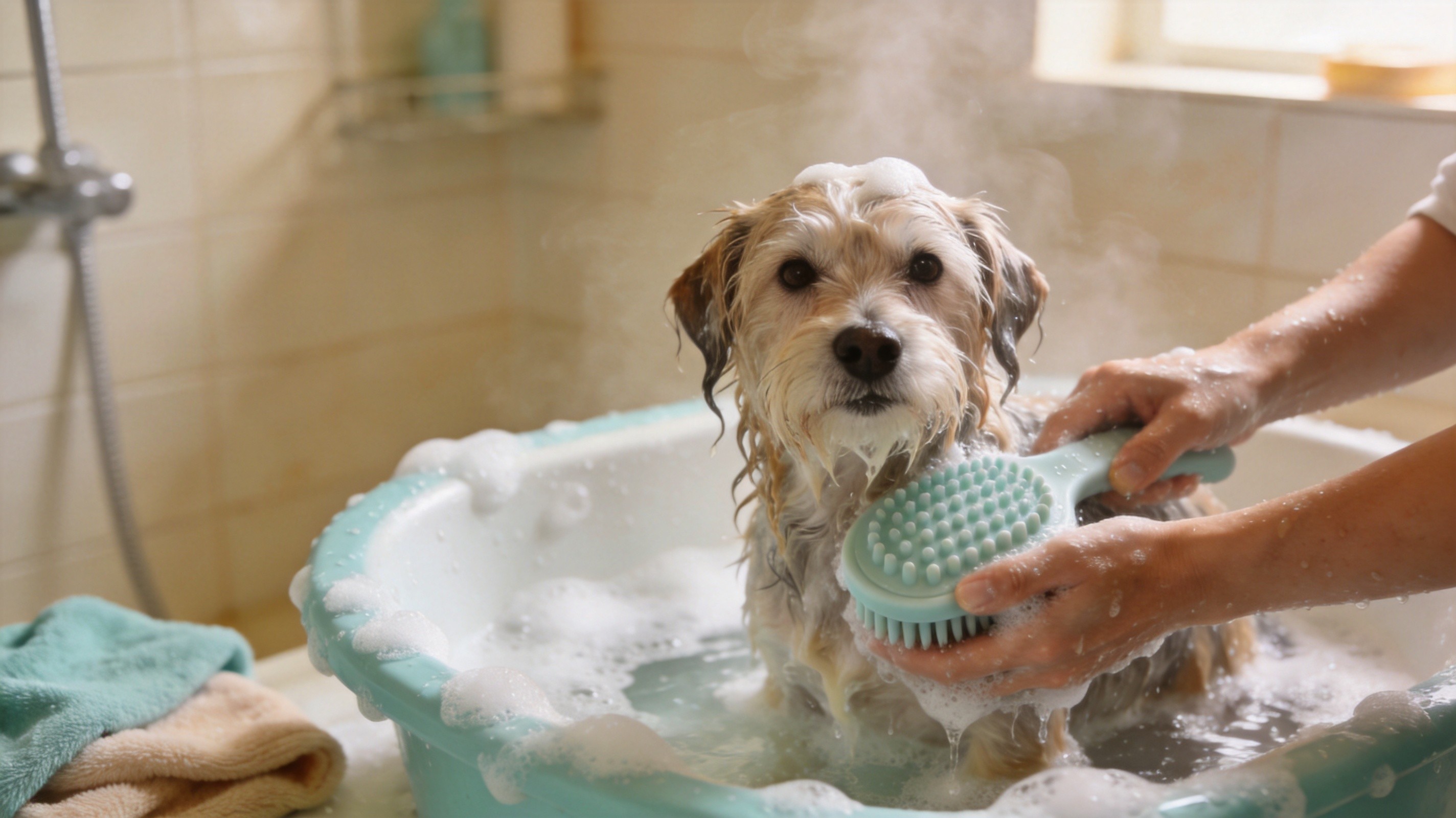
Squeeze a little dog-safe shampoo into the bath brush reservoir or lather by hand, then work it through the coat with soft, slow circular strokes. A bath brush does two useful things at once: the flexible silicone nodules lift dirt and loose fur far better than open palms, and the gentle pressure feels like a massage, which many nervous dogs actually lean into. Because it cleans more efficiently, you spend less time scrubbing and rinse faster, shortening the whole event.
5. Rinse completely
Leftover shampoo irritates skin and causes itching, so rinse until the water runs clear. A brush also helps here, sweeping suds out of thick or double coats.
6. Make drying a reward
Lift your dog out gently onto a ready towel and blot rather than rub. Warmth and an immediate treat help the bath end on a positive note. For a thorough, coat-friendly drying routine, see our quick-dry towel guide for senior dogs.
A Bath Brush Makes a Real Difference for Anxious Dogs
The longer a bath drags on, the more stress builds for a dog who dislikes it. A dedicated dog bath brush shortens the job in three ways:
1. Faster lathering. Soft silicone nodules work shampoo through the coat in a fraction of the time hand-rubbing takes.
2. Better cleaning with less pressure. The bristles reach down to the skin to lift dirt and shed hair without hard scrubbing, so the experience stays gentle.
3. A calming sensation. Slow circular brushing mimics petting and massage, which can relax a tense dog rather than alarm him.
Look for a brush with a comfortable grip, soft rounded nodules, and, if you bathe often, a built-in shampoo reservoir that dispenses diluted shampoo as you go. The multi-function pet bath brush includes both a soft massage head and a denser brush head, so you can choose by your dog's coat and switch between soothing and deeper cleaning.
Senior Dogs and Dogs With Joint Pain
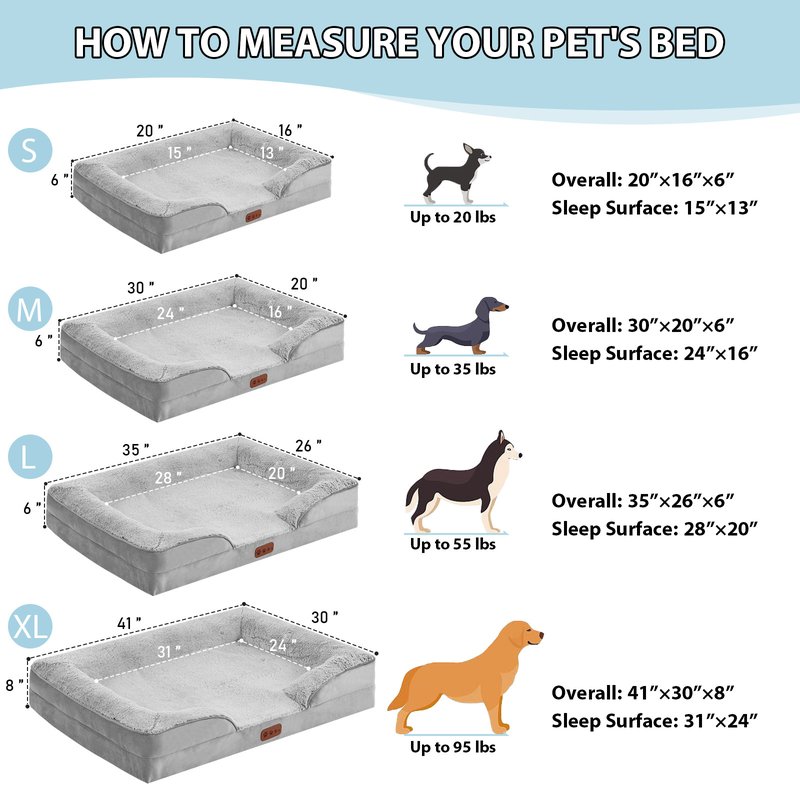
Older dogs need a few extra considerations. Standing in a tub can be hard on stiff hips and knees, so use a non-slip mat, support the belly when needed, and keep the session brief. Many seniors are easier to bathe in a warm room with a handheld sprayer rather than a slippery bath. Afterwards, give them a warm, cushioned place to rest, such as an orthopedic bolster bed, away from drafts.
Never bathe a dog immediately after eating, and if your older dog has a heart condition, open sores, or seems unwell, check with your vet before the next bath.
Common Mistakes That Make Bath Fear Worse
- Forcing or restraining a panicking dog, which confirms that the bath is dangerous.
- Using human shampoo or too much product, which stings and is hard to rinse.
- Spraying the face and ears, the quickest way to create a lasting fear.
- Bathing too often, which strips the coat of its natural oils. For most dogs, a bath every few weeks, or when genuinely dirty, is plenty.
- Ending on a struggle. If every bath finishes with a chase and a shake, your dog learns to dread the next one.
Frequently Asked Questions
How often should I bathe a dog who hates baths?
As infrequently as you reasonably can while keeping them clean, usually once every four to eight weeks depending on coat and lifestyle. Regular brushing between baths reduces how often a full wash is needed.
What if my dog still panics no matter how slow I go?
Shrink the steps further. Over several days, reward simply approaching the tub, then standing in it dry, then one wet paw. For severe fear that does not improve, ask your vet, who can rule out pain or discuss short-term calming options.
Can I use my own shampoo on my dog?
No. Human shampoo is formulated for a different skin pH and can irritate a dog's skin. Always use a shampoo made specifically for dogs.
Do bath brushes hurt short-haired or sensitive dogs?
Soft silicone nodules are gentle on most coats and skin when used with light pressure. Choose the softer massage head and avoid pressing hard over bony areas or any sore spots.
Should I bathe my senior dog less often?
Not necessarily, but keep sessions short, warm, and well-supported. If bathing is clearly painful or exhausting, talk to your vet about an approach that suits your dog's mobility.
The Bottom Line
Bathing a dog who hates baths is almost always solved by slowing down, removing the scary parts, and making the experience shorter and more pleasant. Secure footing, warm water, a lick mat distraction, and a soft bath brush that cleans quickly take most of the stress out of the routine. Build the association one calm session at a time, and even a lifelong bath-dreader can come to tolerate, and occasionally enjoy, the attention.