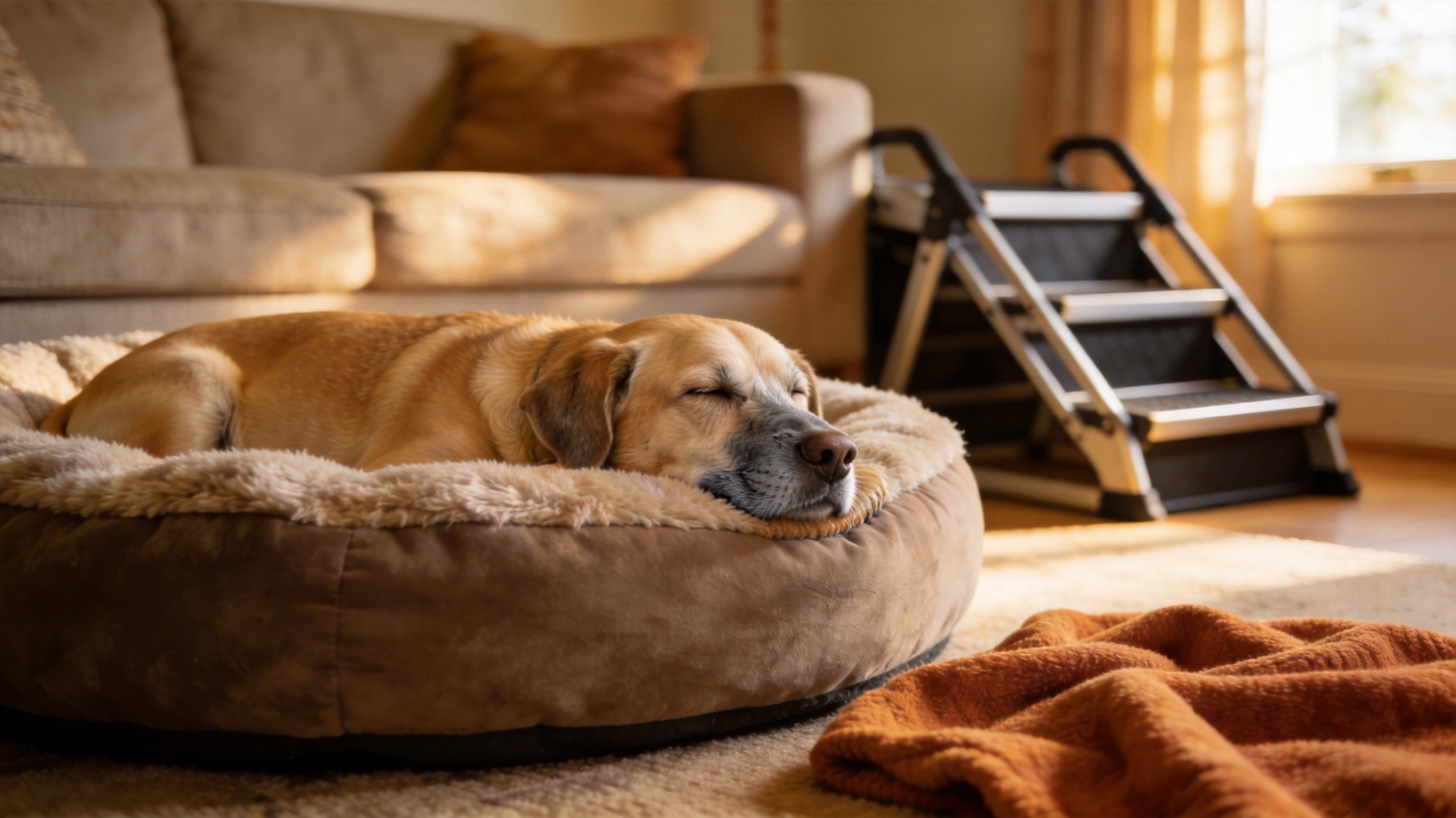
If you have an older dog, you have probably seen it happen: your companion walks across the kitchen or hallway and suddenly their back legs slide out from under them. They scramble for a moment, regain their footing, and look at you with a worried expression. An old dog slipping on hardwood floors is one of the most common concerns we hear from owners, and it is more than a minor inconvenience. Repeated slipping can lead to serious injuries, loss of confidence, and a downward spiral of reduced activity and muscle loss.
The good news is that you can do something about it. This guide explains why senior dogs lose traction on smooth surfaces, walks you through the most effective solutions including anti-slip socks for dogs, and helps you decide when it is time to talk to your veterinarian.
Why Senior Dogs Slip on Smooth Floors
Several age-related changes combine to make hardwood, tile, laminate, and vinyl floors treacherous for older dogs.
Joint degeneration. Arthritis and other joint conditions are extremely common in aging dogs. Stiff, painful joints reduce your dog's ability to make the quick micro-adjustments needed to maintain balance on a slippery surface. A dog with hip or elbow arthritis may shift weight awkwardly, making a slip more likely.
Muscle atrophy. As dogs age, they naturally lose muscle mass, especially in the hindquarters. Weaker muscles mean less push-off power and less ability to correct a slide once it begins. Dogs with neurological conditions may experience even more pronounced weakness.
Paw pad changes. A young dog's paw pads are thick, rough, and provide natural grip. Over time, pads can become dry, cracked, and smoother, reducing traction. Long nails also change the angle at which the foot contacts the floor, further destabilizing each step.
Vision and hearing loss. Senior dogs with declining vision may misjudge surface changes or walk more hesitantly. They cannot see a glossy patch of floor the way you can, and tentative, stiff movements actually increase the risk of slipping.
The Real Risks of Repeated Slipping
A single slip may seem harmless, but frequent loss of traction creates a cascade of problems.
The most immediate risk is injury. A senior dog slipping on hardwood floors can suffer sprains, torn ligaments, or even fractures during a hard fall. Older bones are more brittle, and a fall that a puppy would shrug off can mean a veterinary emergency for a senior dog.
There is also a psychological dimension. After a few scary slides, many dogs become anxious about walking across open floors. They may freeze, refuse to move, or only walk along the edges of rooms where they can touch the walls. This avoidance leads to less activity, which accelerates muscle loss and joint stiffness, which in turn makes slipping even more likely. It is a self-reinforcing cycle.
Over time, reduced movement also contributes to weight gain, which puts additional stress on already compromised joints. Addressing the slipping problem early is one of the most impactful things you can do for your senior dog's quality of life.
Anti-Slip Socks and Shoe Covers for Dogs
Anti-slip socks are one of the quickest and most affordable ways to restore your dog's confidence on smooth floors. These socks are designed specifically for canine paws, with rubberized or silicone grips on the sole that provide immediate traction on hardwood, tile, and laminate.
Advantages of anti-slip socks:
- Instant results. Put them on and your dog can walk more securely within seconds, with no training period or home renovation required.
- Lightweight and comfortable. Most dogs adjust to wearing socks far more readily than hard-soled booties, which can feel bulky and change their gait.
- Cost-effective. Compared to carpeting your entire home, socks are a modest investment, and multiple pairs can be rotated for washing.
- Ideal for indoor use. They work well on the surfaces where senior dogs spend most of their time: hallways, kitchens, bedrooms, and living areas.
- Double as paw protection. Socks also protect sensitive paw pads from hot pavement in summer and ice-melt chemicals in winter, and they can reduce scratching on hardwood floors.
Look for socks with a generous silicone grip pattern covering the entire sole and partway up the sides, as dogs' paws flex and twist when they walk. A snug but not tight cuff around the ankle helps prevent the socks from twisting or coming off.
Paw Grips and Pad Traction Aids
If your dog refuses to wear anything on their feet, paw grips (also called pad grips or paw pad stickers) offer an alternative. These are adhesive-backed patches that stick directly to the hairless underside of your dog's paw pads, providing a textured surface that contacts the floor.
Paw grips are very lightweight and most dogs barely notice them once applied. They work best on dogs with relatively clean, dry pads and minimal fur growing between the pads. The main drawbacks are that they can peel off after a few days, especially if your dog walks on wet or rough surfaces, and some dogs find the adhesive irritating.
A related option is paw wax or balm, which can condition dry pads and add a modest amount of grip. While wax alone may not provide enough traction for a dog with significant mobility issues, it is a useful supplement to socks or grips, and it helps keep paw pads healthy.
Rugs, Runners, and Floor Mats
Covering high-traffic areas with rugs or carpet runners is one of the most durable solutions. Place runners along the hallway route your dog uses most frequently, put a rug by their favorite resting spot, and use a non-slip bath mat in front of food and water bowls.
The critical detail is making sure the rugs themselves do not slide. Use a non-slip rug pad underneath every rug or mat. A rug that bunches up or slides under your dog's weight creates its own tripping hazard. Rubber-backed washable rugs are a practical choice because they stay in place and are easy to clean.
You do not need to carpet your entire home. Focus on the paths your dog travels every day: from bed to door, from door to food bowl, and across any large expanse of bare floor. Interlocking foam mats, like those used in gyms, are another affordable option for creating a safe zone in a particular room.
Nail Trimming and Paw Pad Care
Long nails alter your dog's posture and gait. When nails touch the ground before the pad does, the foot sits at an unnatural angle, reducing traction and putting stress on the toe joints. Keep your dog's nails trimmed short enough that they do not click on the floor when they walk on a hard surface.
The fur that grows between the paw pads can also cause slipping, especially on smooth floors. This hair can become matted and create a slippery layer between the pad and the ground. Carefully trim the fur between the pads so it is level with the surface of the pads. If you are not comfortable doing this yourself, a groomer can handle it quickly.
Regularly inspect and moisturize your dog's paw pads. Dry, cracked pads are less pliable and provide less grip. A veterinarian-recommended paw balm can keep pads supple. Avoid using human moisturizers, as some ingredients can be toxic to dogs.
Joint Supplements and Overall Mobility Support
Traction is only half the equation. If your dog's joints are stiff and painful, even the best anti-slip socks will not fully restore their mobility. A comprehensive approach includes supporting joint health from within.
Glucosamine and chondroitin supplements are widely used to support joint cartilage and may help reduce stiffness. Omega-3 fatty acids, particularly EPA and DHA from fish oil, have anti-inflammatory properties that can benefit arthritic dogs. Always consult your veterinarian before starting any supplement, as they can recommend an appropriate product and dosage based on your dog's size and condition.
Maintaining a healthy weight is equally important. Extra pounds put additional stress on joints and make it harder for weak muscles to stabilize the body. If your senior dog is overweight, ask your vet about a weight management plan. For more on supporting arthritic dogs, see our dog arthritis care guide.
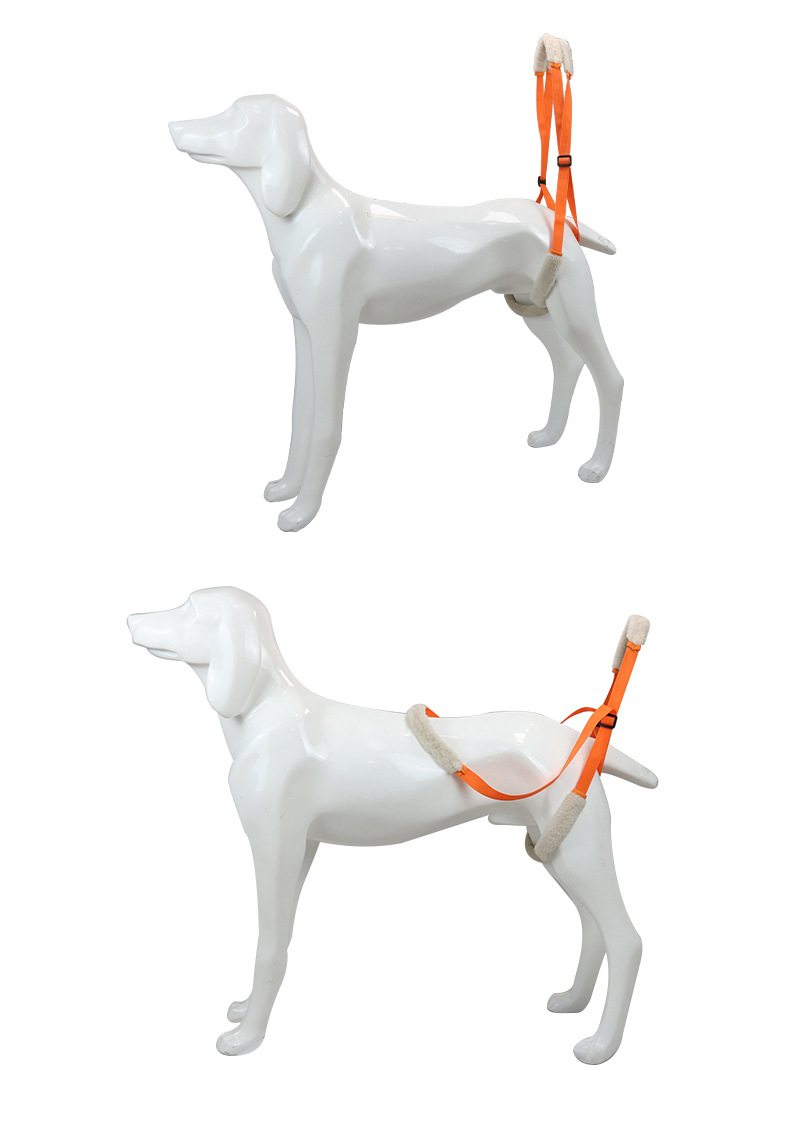
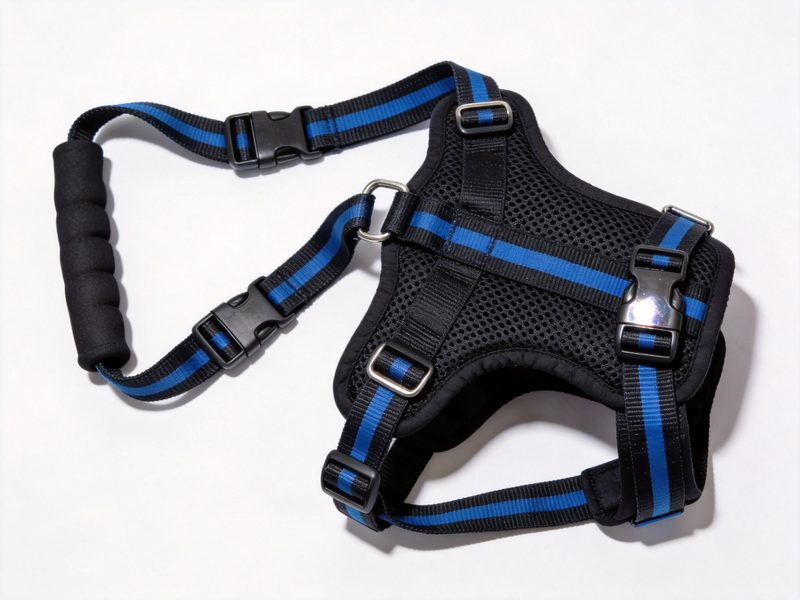
For dogs with significant hind-end weakness, a hind leg support harness can make a tremendous difference. These harnesses wrap around your dog's hindquarters and have a handle that lets you gently support some of their weight as they walk, stand, or climb stairs. They are especially useful for dogs who are slipping despite traction aids, or those recovering from surgery. You can learn more in our guide to choosing a lifting harness for senior dogs.
How to Choose Anti-Slip Socks for Your Dog
Not all dog socks are created equal. Here is what to look for when selecting a pair.
Get the right size. Measure your dog's paw width and length while they are standing, and compare to the manufacturer's size chart. Socks that are too loose will twist and bunch; socks that are too tight can restrict circulation. If your dog is between sizes, size up.
Check the grip material. The sole should feature a durable, non-toxic rubber or silicone coating with a textured pattern. Grips that cover more surface area, including the sides of the paw, provide better traction as the foot flexes.
Look for a secure closure. A ribbed or elasticized cuff helps the sock stay in place. Some higher-end socks include an adjustable strap around the ankle for a more customized fit.
Consider the fabric. A cotton blend with some stretch is comfortable and breathable. Avoid fabrics that are entirely non-breathable, as paws can become sweaty and uncomfortable during extended wear.
Buy more than one pair. Socks get dirty, wet, or lost. Having two or three pairs means you always have a clean set ready.
Training Your Senior Dog to Accept Socks
Some dogs take to socks immediately; others look at their feet as if they have been transformed into alien appendages. Patience and positive reinforcement go a long way.
Start by simply letting your dog sniff and investigate the socks. Reward calm curiosity with a small treat. Next, slip one sock onto a single paw for a few seconds, then remove it and reward generously. Gradually increase the time the sock stays on and add the remaining paws one at a time.
Once all four socks are on, distract your dog with a short play session or a walk around the house. Movement helps them forget the strange sensation. If your dog freezes or tries to bite the socks, do not force it. Take a step back and go more slowly. Never scold your dog for resisting; this only creates a negative association.
Most dogs adjust within a few days. If your dog consistently removes socks no matter what you try, paw grips may be a better option.
When to See a Veterinarian
While some slipping is a normal part of aging, a sudden or dramatic increase in slipping warrants a veterinary visit. This can be a sign of an underlying neurological problem such as degenerative myelopathy, a spinal issue, or a stroke-like event. Sudden weakness or dragging of the hind legs should be treated as an emergency.
Other signs that require prompt veterinary attention include:
- Visible pain, limping, or crying out when moving
- Swelling around a joint
- Reluctance to bear weight on a leg
- A sudden change in gait that appears over hours rather than months
- Any fall resulting in lameness that lasts more than a few minutes
Your veterinarian can perform a physical exam, take X-rays if needed, and prescribe pain medication, anti-inflammatory drugs, or refer you to a canine rehabilitation specialist. Early intervention can slow the progression of arthritis and other conditions.
Home Environment Modifications
Beyond traction aids, a few simple modifications can make your home much safer for a senior dog.
Create clearly defined walking paths using runners or non-slip mats so your dog can navigate the house without crossing large open stretches of slippery floor. Place mats on either side of any threshold where flooring transitions from carpet to hard surface, as these transition points are where many slips occur.
In the bathroom, use a non-slip mat in the tub or shower if you bathe your dog indoors. Keep floors dry, as water dramatically increases slipperiness. Wipe up spills immediately and consider a mat under the water bowl.
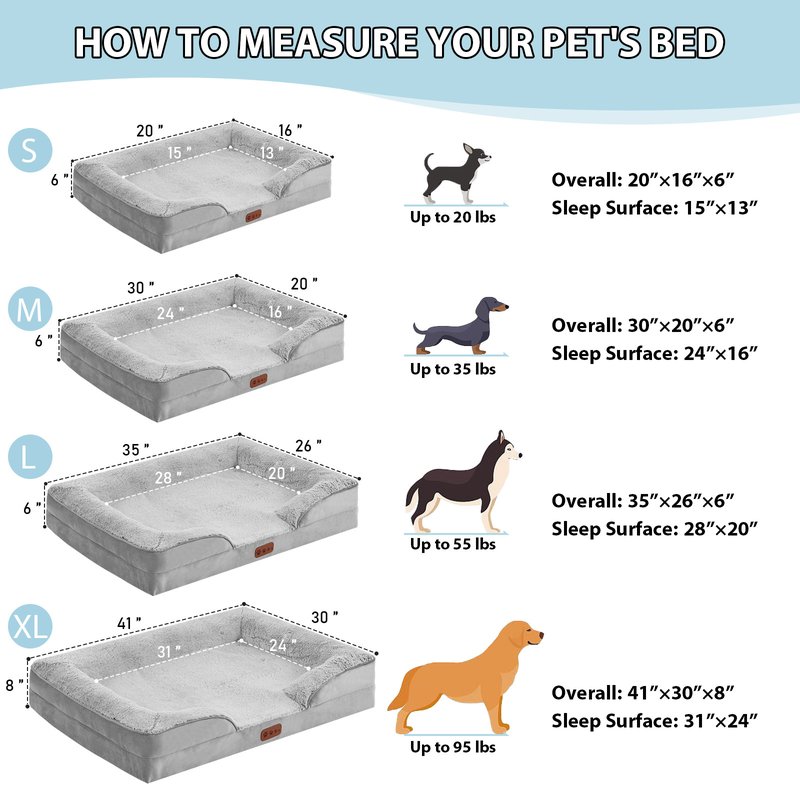
Block access to stairs when you cannot supervise, or install carpet treads on wooden steps. Provide a comfortable, supportive orthopedic bolster dog bed in a location that does not require crossing slippery floors to reach. Orthopedic memory foam relieves pressure on achy joints, and the bolster design gives your dog something to lean against when getting up.
For a broader look at mobility solutions, our ultimate guide to senior dog mobility aids covers harnesses, ramps, beds, and more.
Final Thoughts
Watching an old dog slipping on hardwood floors can be heart-wrenching, but it is a problem with real solutions. Start with the basics: trim nails, trim paw fur, condition pads, and lay down rugs in high-traffic areas. Add anti-slip socks for immediate, whole-house traction, and support overall joint health with vet-approved supplements and a healthy weight. For dogs with significant weakness, a support harness can provide the stability they need to keep moving confidently.
The most important thing is to act early. Each slip erodes your dog's confidence a little more, and the resulting inactivity accelerates the very decline that causes slipping in the first place. With the right combination of traction, support, and care, your senior dog can continue to navigate their home with dignity and comfort for years to come.