If you have ever watched a senior dog stumble home from the vet wearing a rigid plastic cone, you already know the hard truth: the standard Elizabethan collar is effective protection, but many dogs find it miserable. Older dogs, whose mobility and confidence are already fragile, are hit hardest. The cone catches on doorways, blocks the view of their food bowl, and turns every step into a clumsy collision.
Recovery collars and medication aids are two product categories that caregivers of senior and recovering dogs shop for under pressure, usually after a vet visit and with little time to compare options. This guide breaks down what actually matters, so you can buy the right items before the emergency, not during it.
Why the "Right" Collar Depends on the Situation
The single most common mistake is assuming one collar style works for every dog and every wound. In practice, the best collar depends on three factors: where the wound is, how flexible your dog is, and how long the collar must stay on.
Wound location matters most. A wound on the upper body, head, or neck needs only to block the head from turning. Collars that limit neck rotation without surrounding the whole body can work well. A wound on the belly, hindquarters, paws, or tail requires protection that stops the dog from bending fully to reach it, which rules out most soft or short styles for flexible dogs.
Flexibility increases with age and practice. A stiff, arthritic senior dog may be perfectly protected by a collar that would fail completely on a nimble young Labrador. Over time, dogs learn to maneuver around collars, and a determined licker can defeat styles that looked foolproof on day one.
Duration changes comfort requirements. A collar worn for a 3-day hot-spot treatment is a different purchase from one worn for three weeks after orthopedic surgery. For long recovery periods, comfort directly affects how well your dog eats, sleeps, and heals.
Style 1: The Traditional Plastic Cone
The cone your vet sends home is a proven medical tool. It reliably prevents licking and biting, cleans easily, and costs almost nothing. For dogs who tolerate it, it remains the gold standard for lower-body wounds.
The downsides are well documented. Hard cones block peripheral vision, bump into walls and furniture, make eating and drinking awkward unless removed (and replaced immediately after), and can frighten anxious dogs. Many seniors simply stop moving while wearing one, which is the opposite of what controlled recovery needs.
Best for: lower-body incisions, determined lickers, short recovery periods.
Style 2: Soft Non-Woven and Fabric Cones
Soft recovery cones made from coated non-woven fabric or padded cloth sit in the same bell shape as a plastic cone but weigh a fraction of it. A well-made non-woven collar weighs as little as 60 grams, keeps peripheral vision clear, and is soft enough that bumping into a wall does not rattle the dog.
The coated fabric is splash-proof and wipes clean, and a wide brim that sits beyond the nose offers nearly the same reach protection as plastic, while the material folds slightly when the dog lies down. Look for hook-and-loop closures that adjust precisely to neck circumference, and check the depth of the brim against your dog's muzzle length.
Soft cones work best for upper- and mid-body wounds and for seniors who find plastic cones stressful. For hindquarter wounds on very flexible dogs, verify the fit carefully, and keep the collar on whenever supervision is not possible.
Best for: seniors, anxious dogs, home use, upper-body wounds, hot spots and skin conditions.
Style 3: Inflatable Recovery Collars
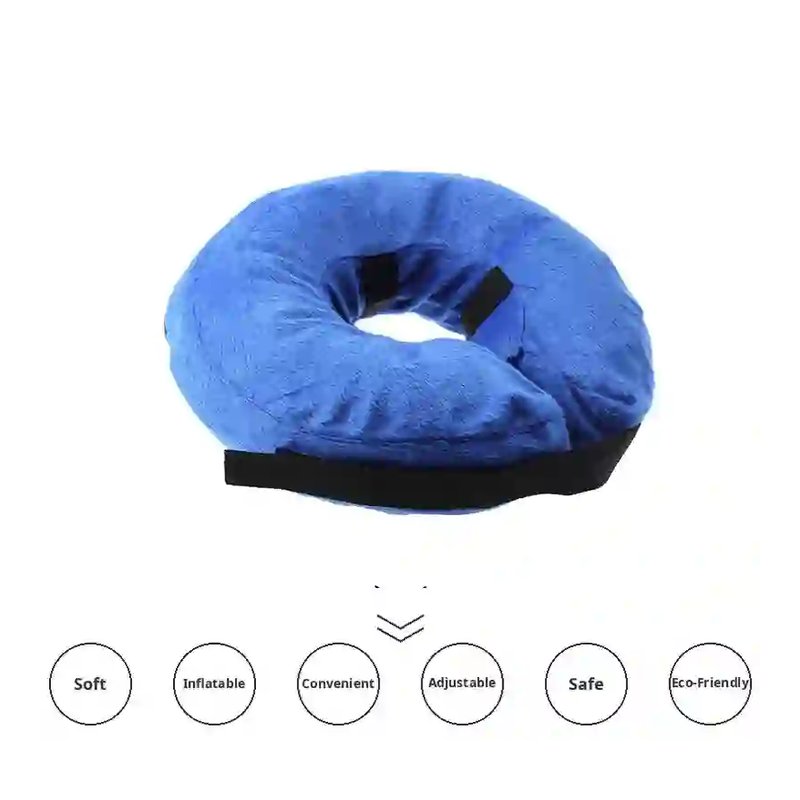
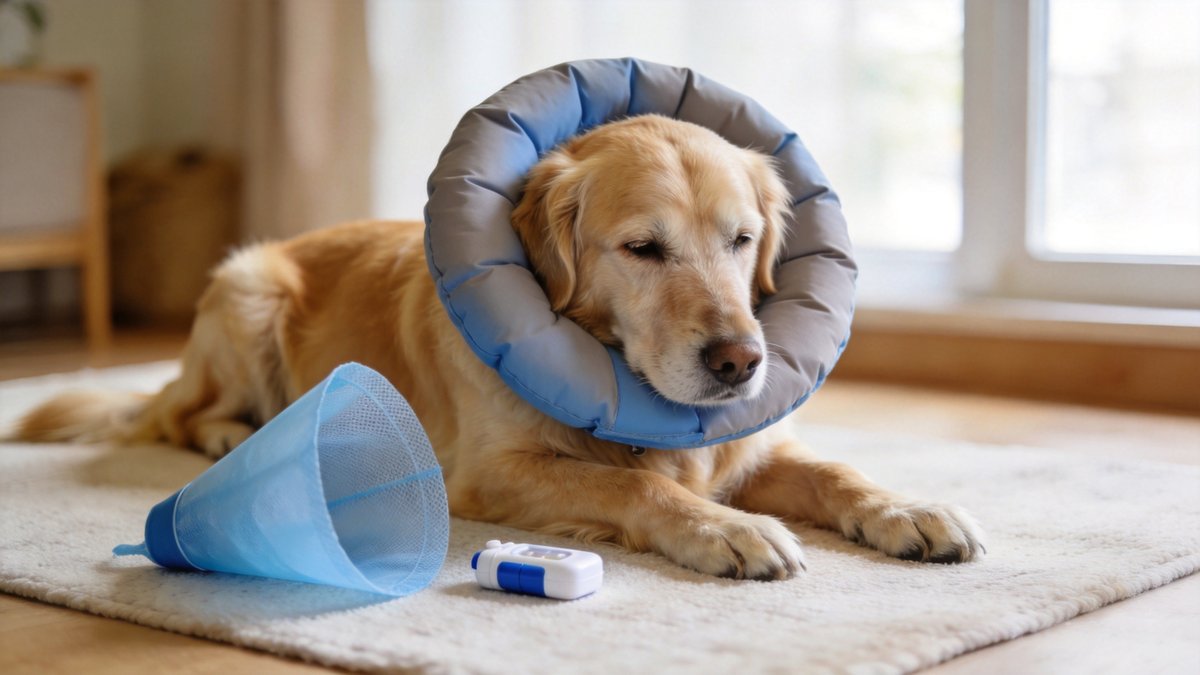
Inflatable collars are doughnut-shaped cushioned rings that surround the neck and limit how far a dog can turn their head, without enclosing the face at all. Dogs can eat, drink, sleep, and navigate normally while wearing one, and many adapt within minutes. The collar deflates completely for storage or travel, and a removable washable cover keeps it fresh across a long recovery.
Their main limitation is reach: because the collar only restricts the neck rather than extending past the nose, a flexible dog can still reach belly, paw, and tail wounds. They are excellent for head, neck, shoulder, and upper-chest wounds; for post-surgery body incisions, either size up, combine with a surgical suit, or switch to a deep soft cone.
A fit tip worth knowing: the inflated collar should sit snugly high on the neck, close behind the jaw. A collar that slips down toward the shoulders gives the head far more turning room than intended.
Best for: comfort during long recovery, head and upper-body wounds, dogs who panic in hard cones, travel.
Sizing a Recovery Collar Correctly
No collar works if it is the wrong size. Two measurements matter.
Neck circumference. Measure around the neck where the collar will rest, usually just below the jaw line, using a snug but not tight tape measure. Inflatable collars and soft cones adjust with straps or hook-and-loop, so choose the size whose minimum is slightly below your measurement rather than at its maximum.
Depth versus muzzle length. For cone-shaped collars, the brim should extend about 2 to 3 centimeters (roughly an inch) beyond the tip of the nose. If your dog's tongue can reach the wound while wearing it, the collar is too shallow or too short. When in doubt between two sizes, choose the deeper one; comfort tolerates slight excess, but protection does not tolerate shortfall.
Multi-dog and growing-puppy households should note that inflatable collars are the easiest to share and store, while non-woven cones are inexpensive enough to keep one spare size on hand.
Giving Medication Without the Daily Battle
Roughly half of recovery difficulty happens around medication, not the wound itself. Senior dogs are often on multiple drugs — pain relief, antibiotics, stomach protectors — and twice-daily pilling can turn into a wrestling match that stresses the dog and the caregiver alike.
The tools that help break down into three approaches.
Hiding medication in food works for dogs who gulp their meals. Pill pockets, a ball of soft cheese, or a spoonful of wet food usually do the job, except for dogs who eat around the pill or who are on restricted diets after surgery.
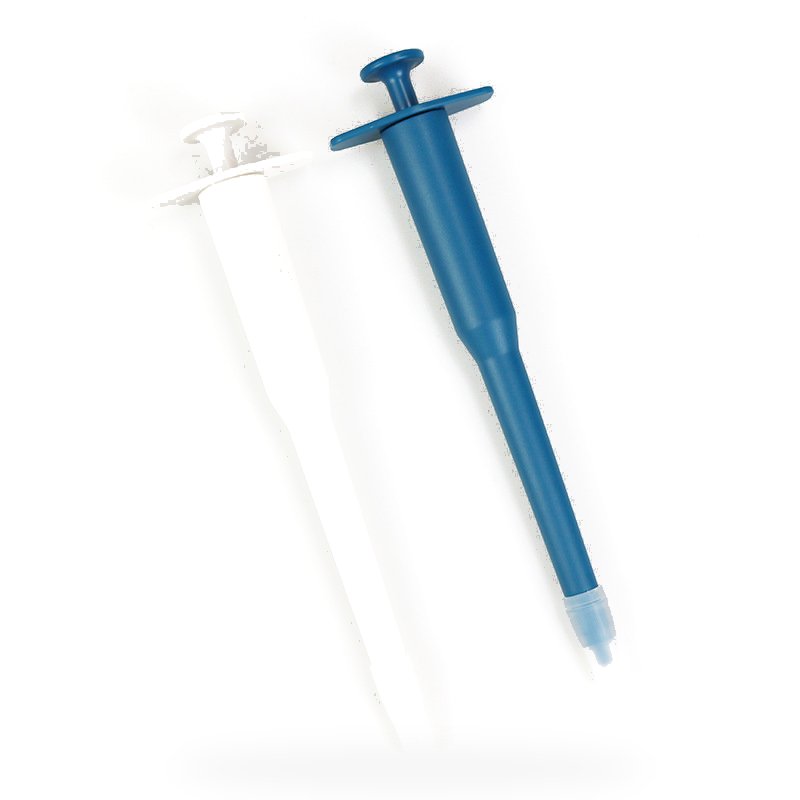
Administering directly is the reliable fallback. A purpose-built pet pill dispenser holds the tablet or capsule in a soft silicone tip, places it at the back of the tongue, and uses a spring plunger to release it cleanly so the dog swallows naturally. A side-grip handle gives better control than a plain syringe-style plunger, which matters when a wobbly or fractious patient keeps turning its head. Models with a separate liquid channel can deliver water or food paste in the same pass, helping the pill go down and reducing choking risk.
Liquid and syringe feeding for dogs who cannot swallow tablets follows the same principle: insert gently at the cheek pocket, dispense slowly, and give the dog time to swallow between small amounts. Never tilt the head back, as this sends liquid toward the windpipe.
Whichever method you use, administer medication after a small amount of food unless the label says otherwise, give it on a fixed schedule, and follow every pill with water or a treat to ensure it reaches the stomach. Track doses on a phone alarm rather than memory — double-dosing a senior dog on pain medication is a genuine emergency risk.
Putting Together a Recovery Kit
Because these situations arrive on a vet's schedule, not yours, assembling the kit in advance is the single most useful habit for caregivers of older dogs. A practical recovery kit contains:
- Two collar styles in the correct size — an inflatable recovery collar for comfortable day-to-day wear and a lightweight non-woven cone for times when maximum reach protection is needed
- A **pill dispenser** in the pet's supply drawer, not buried in a medicine cabinet
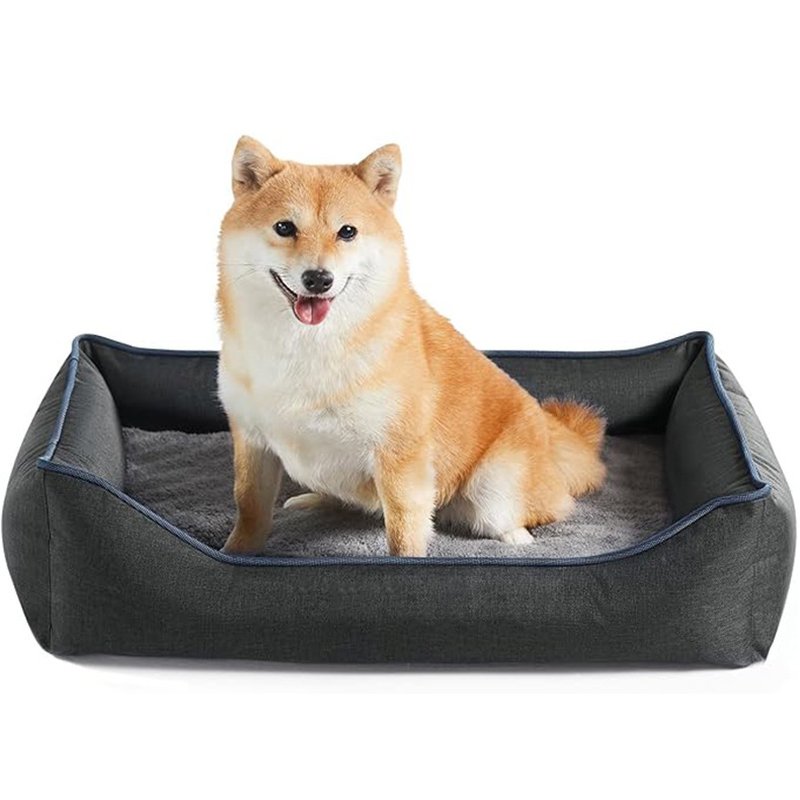
- An orthopedic bed or padded mat in the recovery area, so a collar-wearing dog never has to navigate slippery floors to rest
- A printed medication schedule and the emergency clinic's number on the refrigerator
Final Thoughts
Recovery gear is not glamorous, and it is never the product you plan to need. But for families caring for a senior dog through surgery, illness, or the repeated skin flare-ups that come with age, a comfortable collar and a reliable way to deliver medication remove two of the three biggest stressors from the first difficult week.
The vets and rehabilitation specialists we work with put it simply: the collar your dog will actually wear, fitted correctly, beats the collar that sits in a drawer because your dog refused it. Choose comfort that still protects, measure twice before ordering, and buy before the surgery, not after.