If your dog is on medication, you already know the routine: the foil packet crinkles, your dog leaves the room, and ten minutes later you are on the floor with a powder-covered hand, a damp pill stuck to your sleeve, and a dog hiding under the table. For caregivers of senior dogs — who may need joint support, antibiotics, or stomach medication for weeks at a time — this scene repeats twice a day, every day.
It does not have to. Giving a dog a pill is a skill, and like every skill it gets dramatically easier with the right sequence, the right tool, and a calm setup. This guide walks through the methods that actually work, in the order most caregivers should try them.
Why Dogs Fight the Pill
Before the techniques, it helps to understand what you are up against. Dogs resist medication for three predictable reasons.
Smell and taste. A dog's nose is far more sensitive than yours. Bitter tablet coatings that you cannot detect smell like a warning flag to a dog, and many capsules release a fine powder that coats whatever food they touch.
The head-grab reflex. Reaching over a dog's head and prying open their jaw triggers a natural pull-back response. Even a normally tolerant dog interprets it as restraint. Dogs who have been pilled this way a few times learn to dodge before your hand arrives.
Learned association. Once "cheese time" has meant "bitter pill time" twice, your dog starts inspecting every treat carefully. They are not being difficult — they are pattern-matching, which is exactly what evolution trained them to do.
The good news: every one of these reflexes can be worked around.
Three Rules Before You Start
Regardless of which method you use, three rules make the whole process calmer.
1. Pick the right moment. Dose after a short walk or a small meal, when your dog is relaxed and slightly hungry — unless the label specifies otherwise. Never chase a dog around the house; that turns medication into a game of capture. Call the dog to you instead, or sit on the floor and let them come over.
2. Prepare everything first. Unwrap the tablet, have the tool or treat ready in your hand, and open any water bowl before you call the dog. The fumbling ten seconds while you tear open a blister pack is exactly when a suspicious dog decides to leave.
3. End on a good note. Every dose finishes with something genuinely pleasant — a real treat, a short play session, enthusiastic praise. You are training your dog to associate the routine with payoff, not with a chase.
Method 1: Hide It in Food
Hiding the pill is the first method most people try, and for about half of all dogs it works permanently.
The reliable carriers are soft, sticky, and strongly scented: a molded pill-pocket treat, a teaspoon of peanut butter (check that it contains no xylitol), cream cheese, a ball of wet food, or a slice of deli meat wrapped tightly around the tablet. Give one plain piece first, then the loaded piece, then one more plain piece — the rhythm keeps a gulping dog from pausing to inspect.
This method fails in two predictable situations. First, clever dogs learn to eat the carrier and spit the pill onto the floor, sometimes three feet away. Second, some medication schedules require an empty stomach, and many senior dogs are on prescription diets where extra cheese and peanut butter are not an option. If either applies, move to direct dosing rather than fighting the food method for months.
Method 2: Direct Dosing, Done Gently
Placing a pill directly at the back of the tongue is the most reliable method that exists, and it is far less dramatic than people expect when the technique is correct.
The classic manual version works like this: hold the tablet between your thumb and index finger, tilt the head up gently with your other hand over the top of the muzzle, slip your finger along the side of the mouth behind the canine tooth (where there are no teeth), place the pill as far back on the center of the tongue as you can reach, close the mouth, and hold it gently while stroking the throat downward for a few seconds. Follow immediately with a small amount of water or a syrupy treat to trigger the swallow.
Two problems make this hard in practice. Wobbly, nervous, or strong dogs turn their heads at the wrong moment, and fingers placed at the back of the mouth startle dogs and get nipped — not from aggression, but from the gag reflex.
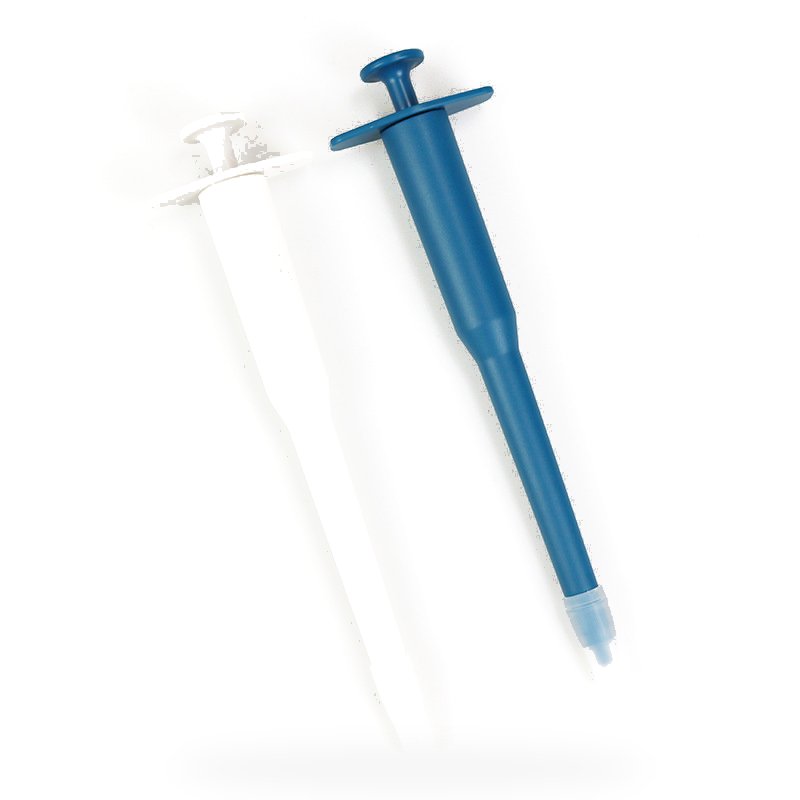
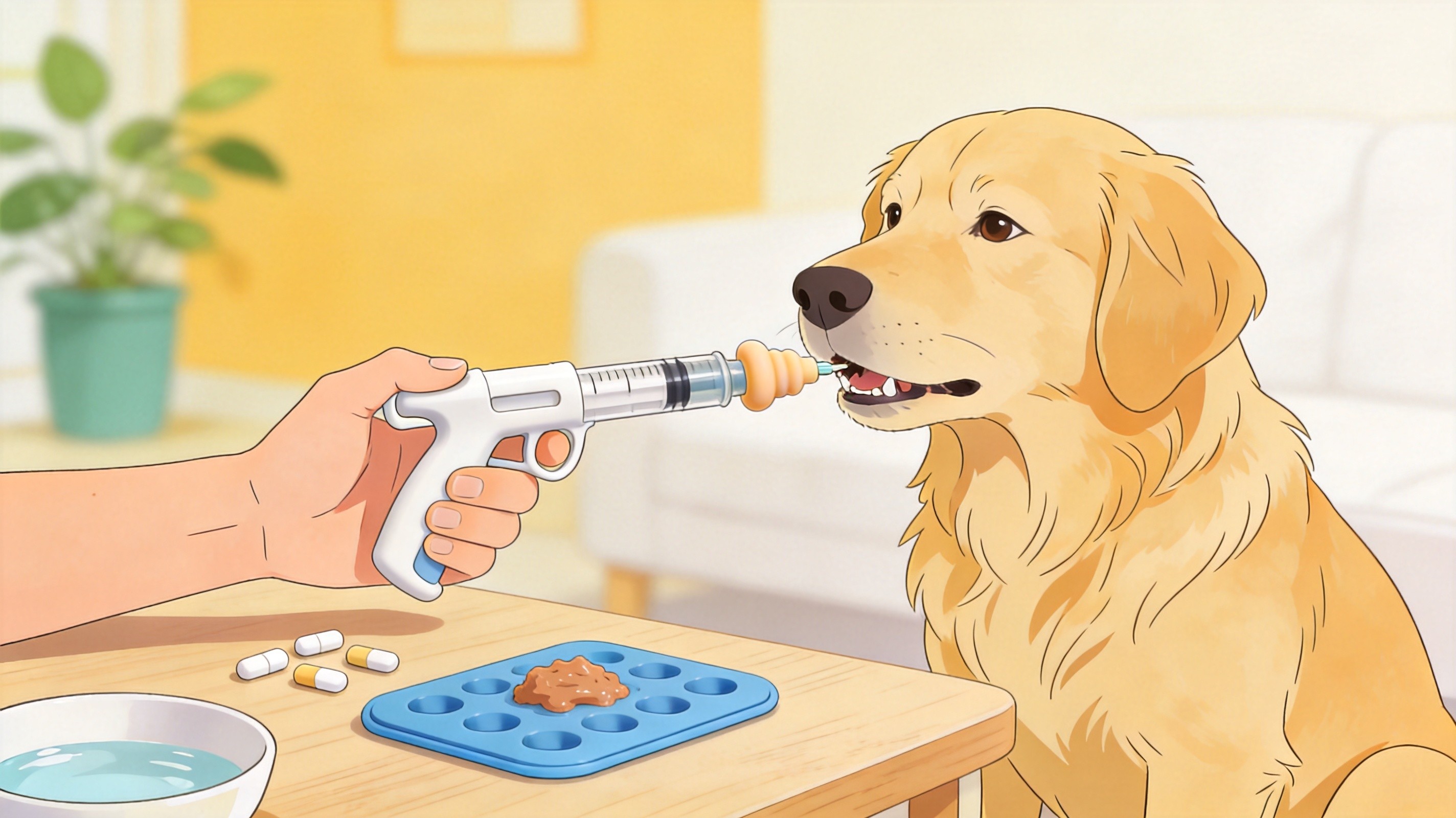
This is exactly where a purpose-built pet pill dispenser earns its place. A good dispenser holds the tablet or capsule in a soft silicone tip, reaches the back of the tongue in one gentle motion, and releases the pill with a spring plunger so it lands where swallowing is automatic. Look for three features:
- A soft silicone tip rather than hard plastic, so contact with gums and the tongue is gentle
- A side-grip handle that sits naturally in your palm — it gives far more control than a plain syringe-style barrel when a dog keeps turning its head
- A dry-wet separation chamber, which lets you follow the pill with a small amount of water or food paste in the same pass, helping the tablet go down cleanly
At around 20 grams, the tool is light enough to operate one-handed while your other hand rests gently on the dog's collar. After dispensing, keep the mouth closed for a moment and offer water — the pill should go down with the first swallow.
Method 3: Liquid, Crushed, and Spreadable Medication
Some medication comes in liquid form, and some tablets can be crushed and mixed with food (always confirm with your vet — coated, extended-release, and certain capsules must never be crushed).
For liquid medication, use the dispenser or an oral syringe at the cheek pocket: insert the tip into the space between the cheek and the back teeth, dispense a small amount at a time, and let the dog swallow between squirts. Never tilt the head back and squirt straight down the throat — that sends liquid toward the windpipe and is the most common cause of choking and aspiration panic.
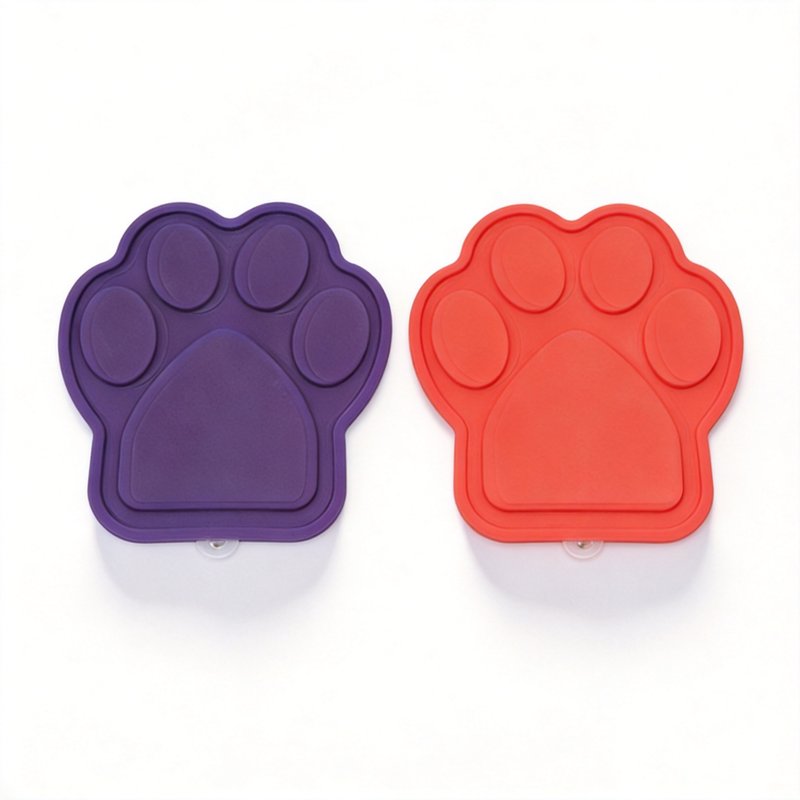
For crushed tablets or paste medication, a silicone lick mat is the single easiest delivery system most caregivers never think of. Spread a thin layer of wet food, pumpkin puree, or yogurt across the mat, sprinkle the crushed medication into it, and let your dog lick it clean over five focused minutes. The licking itself is calming for dogs, the strong flavors mask powder well, and slow intake gives the medication time to mix with food instead of being sorted out. Lick mats are especially useful for dogs on long courses who have learned to refuse every stuffed treat in the house.
The Mistakes That Make Everything Harder
After helping many caregivers troubleshoot medication routines, the same handful of errors account for almost all the drama.
- Tilting the head straight back. It tenses the throat and makes swallowing harder. A slight tilt is enough; the pill does the rest once it is on the back of the tongue.
- Prying the jaw open from the front. It triggers the bite reflex and scares the dog. Go in from the side of the mouth, behind the canine teeth.
- No reward afterward. If every dose ends with the dog being released and ignored, the routine has no payoff. Finish with a genuine treat every single time.
- Dosing from above while the dog is cornered. Stand or sit beside your dog, not over them, and never block their escape route — a dog who feels free to leave stays calm enough to cooperate.
- Guessing about missed doses. If you are unsure whether a pill went down, do not give a second tablet without checking — double-dosing certain medications is a genuine emergency. Set phone alarms for every dose instead of trusting memory.
Senior Dogs and Multi-Medication Households
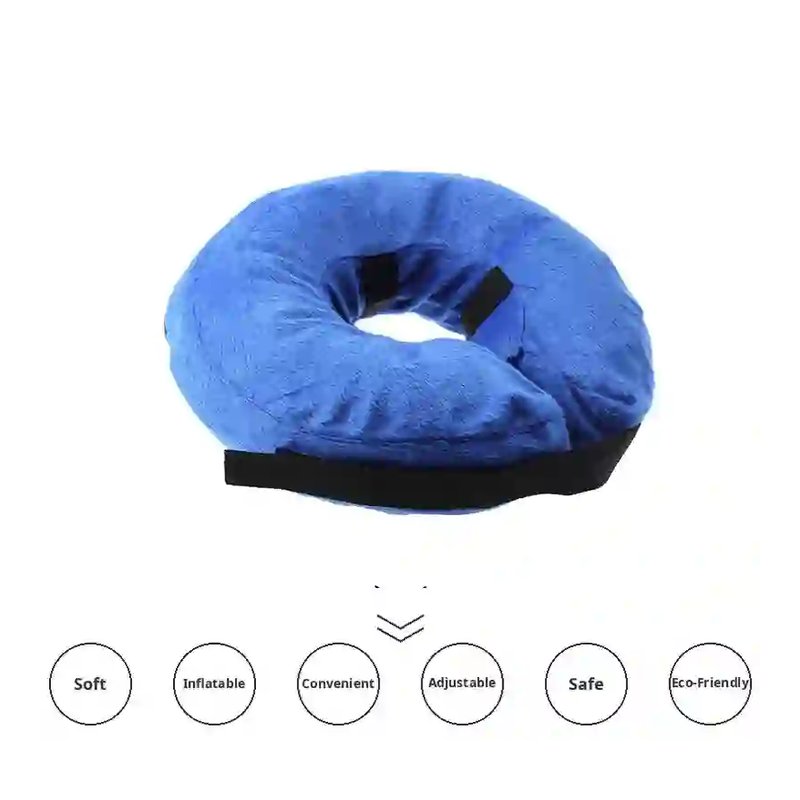
Older dogs on several medications need a system, not just a technique. Keep a printed schedule on the fridge with drug name, dose, and time, and mark each dose as it is given. If your dog is recovering from a procedure and wearing a recovery collar, dose with the collar on for the first few times — removing and refitting it twice a day adds stress and gives clever dogs an escape cue.
Finally, if a particular medication consistently causes distress — drooling, frantic head-shaking, or vomiting after dosing — mention it to your vet. Some drugs are available in flavored liquid or transdermal forms, and a quick conversation can remove the battle entirely.
Final Thoughts
The dogs who are easiest to pill are not the calmest dogs by nature; they are the dogs whose caregivers turned medication into a boring, predictable, rewarded routine. Start with food if it works, move to a soft-tip dispenser when it does not, keep a lick mat on hand for powders and liquids, and always end with something good. A few calm reps in the first week pay off for every dose that follows.